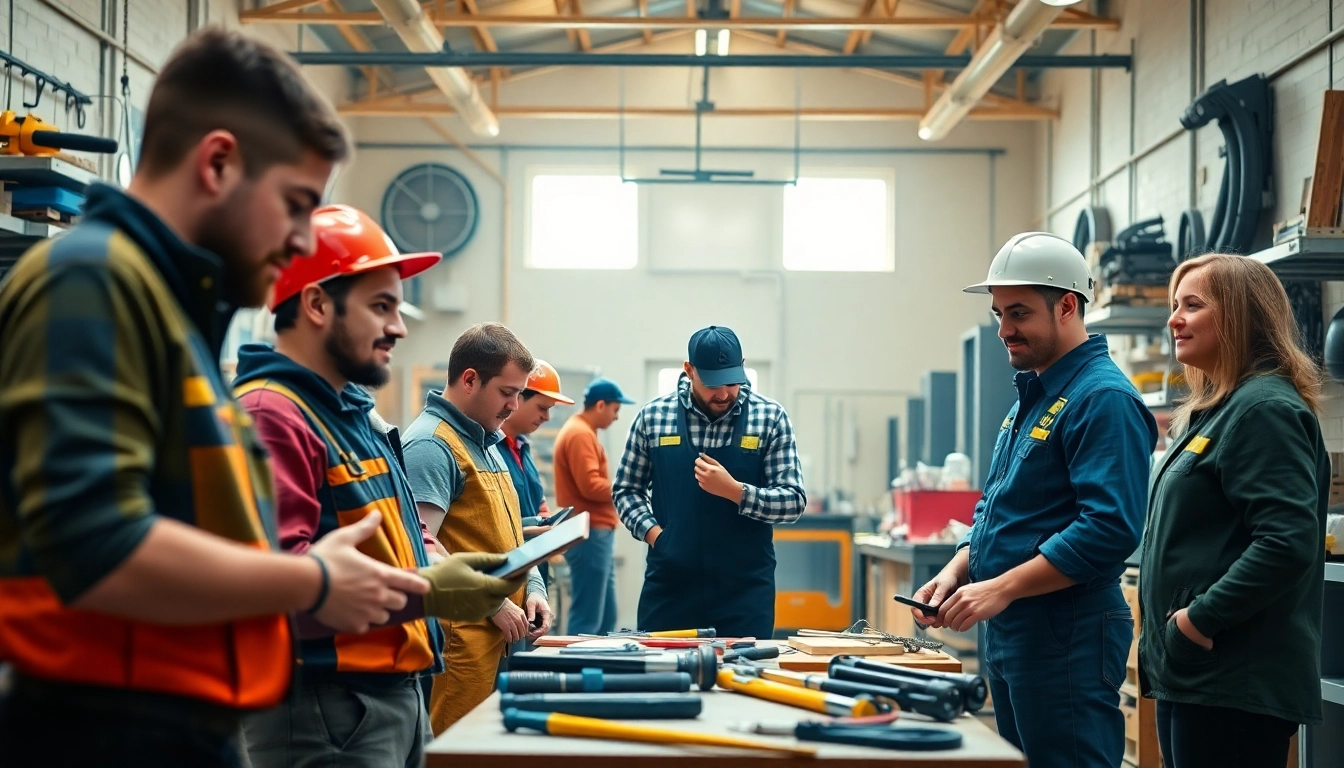

Understanding the Plumbing Apprenticeship
What is a Plumbing Apprenticeship?
A plumbing apprenticeship is a formal training program designed to provide individuals with the necessary skills and knowledge to work as professional plumbers. These programs typically combine classroom instruction with hands-on practical experience in the field, allowing apprentices to learn valuable techniques and methodologies that are vital for success in the plumbing trade. The plumbing apprenticeship is generally offered through trade schools, unions, or plumbing companies, catering to those looking to kickstart their careers in this essential industry. By completing a plumbing apprenticeship, individuals are equipped with a comprehensive understanding of plumbing systems, codes, and regulations.
How Does a Plumbing Apprenticeship Work?
The structure of a plumbing apprenticeship often spans several years, typically lasting between 4 to 5 years, depending on the program and location. During this time, apprentices work under the supervision of licensed plumbers, gaining real-world experience while also attending classes to learn the theoretical aspects of plumbing. The combination of on-the-job training and classroom instruction ensures that apprentices acquire a holistic understanding of plumbing systems, including installation, maintenance, and repair techniques. Additional assessments and examinations may also be required to track progress throughout the apprenticeship, fostering a higher standard of skill development.
Types of Plumbing Apprenticeships
Plumbing apprenticeships can vary based on the specific field or specialization within the industry. Some common types include:
- Residential Plumbing: Focuses on plumbing systems in homes, including installation and servicing of sinks, toilets, and residential water systems.
- Commercial Plumbing: Involves larger scale plumbing systems in commercial buildings, emphasizing different plumbing technologies and codes.
- Industrial Plumbing: Concentrates on plumbing systems used in factories and manufacturing facilities, often dealing with more specialized materials and machinery.
- Service and Repair Plumbing: Focuses on troubleshooting and fixing plumbing issues for both residential and commercial clients, highlighting customer service skills.
Benefits of Pursuing a Plumbing Apprenticeship
Real-World Experience
One of the most significant advantages of a plumbing apprenticeship is the opportunity to gain hands-on experience. The practical component allows apprentices to apply what they learn in the classroom to real jobs, enhancing their understanding of plumbing systems. This real-world experience not only strengthens their skills but also builds confidence, preparing them for independent work upon certification. Additionally, apprentices often face a variety of challenges in the field, further enriching their problem-solving capabilities.
Financial Incentives
While completing a plumbing apprenticeship, apprentices typically earn a wage, allowing them to financially support themselves while they learn. Many programs offer competitive pay, which can increase as apprentices progress through their training. Additionally, the financial benefits extend beyond the apprenticeship; plumbers are often compensated well within the industry, with opportunities for overtime and benefits such as health insurance and retirement plans, making it a solid career choice.
Career Advancement Opportunities
Those who complete a plumbing apprenticeship are often well-positioned for career advancement. With experience and additional certifications, plumbers can move into supervisory or managerial roles, start their own businesses, or specialize in high-demand areas like green plumbing technologies or sewer system design. The demand for skilled plumbers continues to grow, promising job security and numerous pathways for career development.
Skills Developed During a Plumbing Apprenticeship
Technical Skills
Technical skills are a foundational aspect of a plumbing apprenticeship. Apprentices learn how to install, repair, and maintain various plumbing systems, including pipes, fixtures, and appliances. They also become familiar with plumbing codes, safety regulations, and the use of specialized tools and equipment. Mastery of these technical skills is essential for ensuring that plumbing systems operate efficiently and safely.
Problem-Solving Abilities
Plumbing apprentices frequently encounter unexpected challenges on the job, requiring them to think critically and solve problems effectively. Whether it’s diagnosing a leak, figuring out how to install new plumbing in a tight space, or addressing client concerns, apprentices develop strong problem-solving abilities that are crucial for their future careers. This skill set is not only valuable in plumbing but also in everyday life.
Safety Practices
Safety is paramount in the plumbing industry, and apprentices learn the safest practices and protocols for handling hazardous materials, tools, and situations. Emphasizing safety protocols helps minimize risks associated with plumbing work, ultimately protecting both the apprentice and clients. Understanding and adhering to safety standards not only builds a solid reputation but also underscores professionalism in the field.
Finding the Right Plumbing Apprenticeship Program
Researching Local Programs
When seeking a plumbing apprenticeship, researching local programs is essential. Prospective apprentices should look into trade schools, community colleges, and union apprenticeship programs in their area. Factors to consider include program length, curriculum, and any partnerships with local plumbing companies for hands-on training opportunities. Take the time to compare programs to find one that aligns with personal career goals.
Networking with Industry Professionals
Networking can significantly impact the success of finding a suitable plumbing apprenticeship. Engaging with industry professionals through local trade shows, plumbing supply shops, or community organizations provides insights into available opportunities. Building relationships with experienced plumbers can lead to mentorship, referrals, or even job offers, which are often invaluable for newcomers to the field.
Evaluating Program Quality
Quality varies among apprenticeship programs, so evaluating factors such as graduation rates, job placement rates, and student testimonials is important. Prospective apprentices should also consider the instructors’ experience and industry connections, as these play a critical role in providing high-quality education and job placement assistance. Researching these factors can aid in making an informed decision about which program to choose.
FAQs about Plumbing Apprenticeships
How long does a plumbing apprenticeship take?
A plumbing apprenticeship typically takes 4 to 5 years to complete, combining both on-the-job training and classroom education.
What are the requirements to start an apprenticeship?
Requirements may vary, but generally, you need to be at least 18, have a high school diploma or GED, and may need to pass an aptitude test.
Can you earn while completing a plumbing apprenticeship?
Yes, apprentices usually earn a wage while they learn, which can increase as they advance through the program.
What kind of jobs can I get after my apprenticeship?
After completing an apprenticeship, you can become a licensed plumber, with opportunities in residential, commercial, and industrial plumbing.
Is a plumbing apprenticeship worth it?
Yes, a plumbing apprenticeship provides valuable hands-on experience, financial stability, and numerous career advancement opportunities in a high-demand industry.