
Getting Started with Fly Fishing for Beginners
Fly fishing can be an exhilarating sport that immerses you in nature while challenging your skills. For those just starting out, it’s crucial to understand the foundational aspects that turn novices into successful anglers. This guide on fly fishing for beginners covers everything from essential gear to techniques and safety tips.
Understanding the Basics of Fly Fishing
At its core, fly fishing is a unique approach to angling where the weight of the line, rather than the bait, is used to cast the line. Unlike traditional fishing methods, fly fishing requires specific skills and equipment. The objective is to present a fly—an artificial lure—on or in the water in a way that mimics food. Understanding the fundamental principles is the first step toward mastering this sport.
Essential Gear You Need
As a beginner, having the right gear is vital for a successful fly fishing experience. Essential gear includes:
- Fly Rod: This is a specially designed rod longer and lighter than traditional rods. A 9-foot rod is a common choice for beginners.
- Fly Reel: Reels should be balanced with your rod. Choose an affordable reel for your first experiences.
- Line: The fly line is crucial. It typically comes in three types: floating, sinking, and intermediate. Beginners often start with a floating line.
- Leader and Tippet Material: These are thin lines connecting your fly to the main line. They are essential for stealthy presentations.
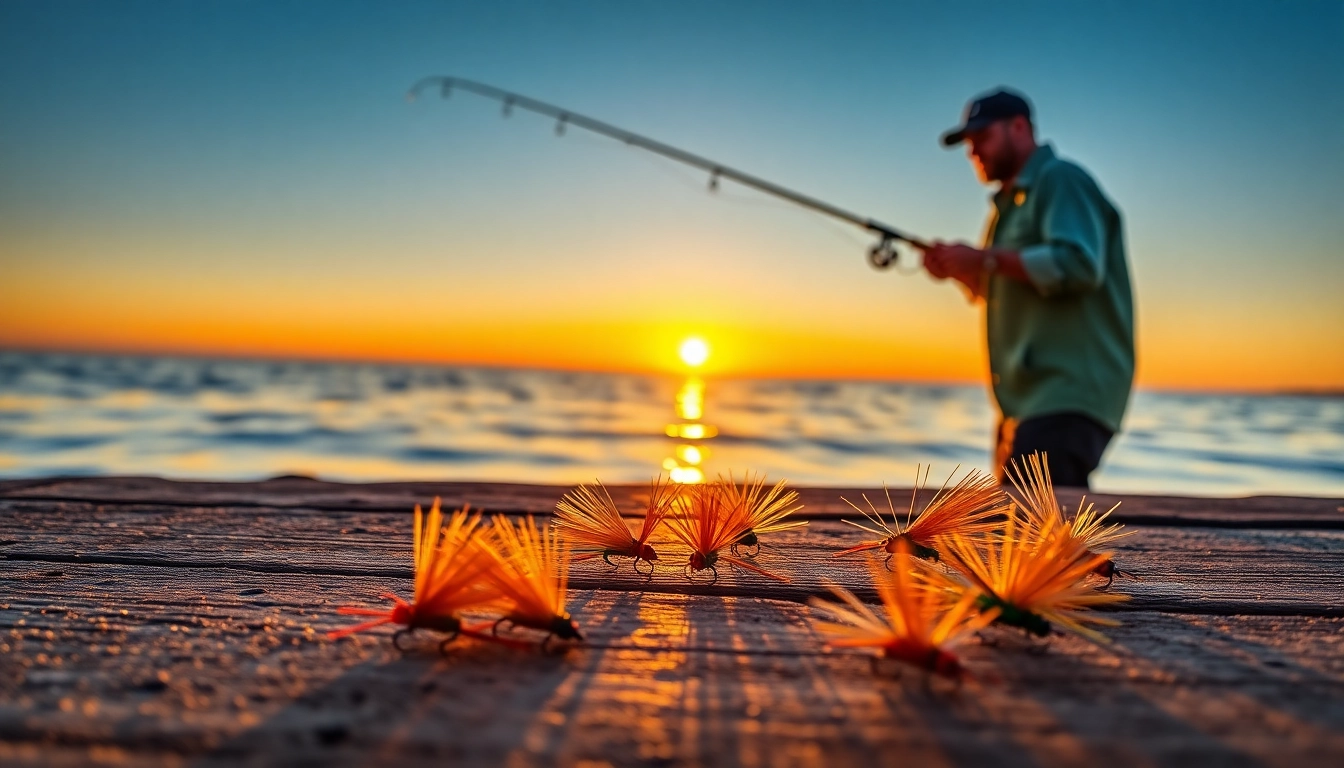
- Flies: Choose a range of flies that imitate local insects. Dry flies, nymphs, and streamers cover different fishing situations.
- Waders: These keep you dry and comfortable while standing in the water. It’s essential for wading into most fishing spots.
Choosing the Right Fishing Spot
Finding the right location to start your fly fishing journey is crucial. Look for areas where fish are likely to feed, such as riffles, pools, and near underwater structures like rocks and fallen trees. Pay attention to:
- Water Flow: Fish tend to gather in still waters or areas with moderate current.
- Insects: Observe insect activity, as fish often feed on local insects. This will determine the type of flies to use.
- Local Regulations: Always check local fishing regulations and permitted areas before planning your trip.
Techniques for Fly Fishing for Beginners
Basic Casting Techniques
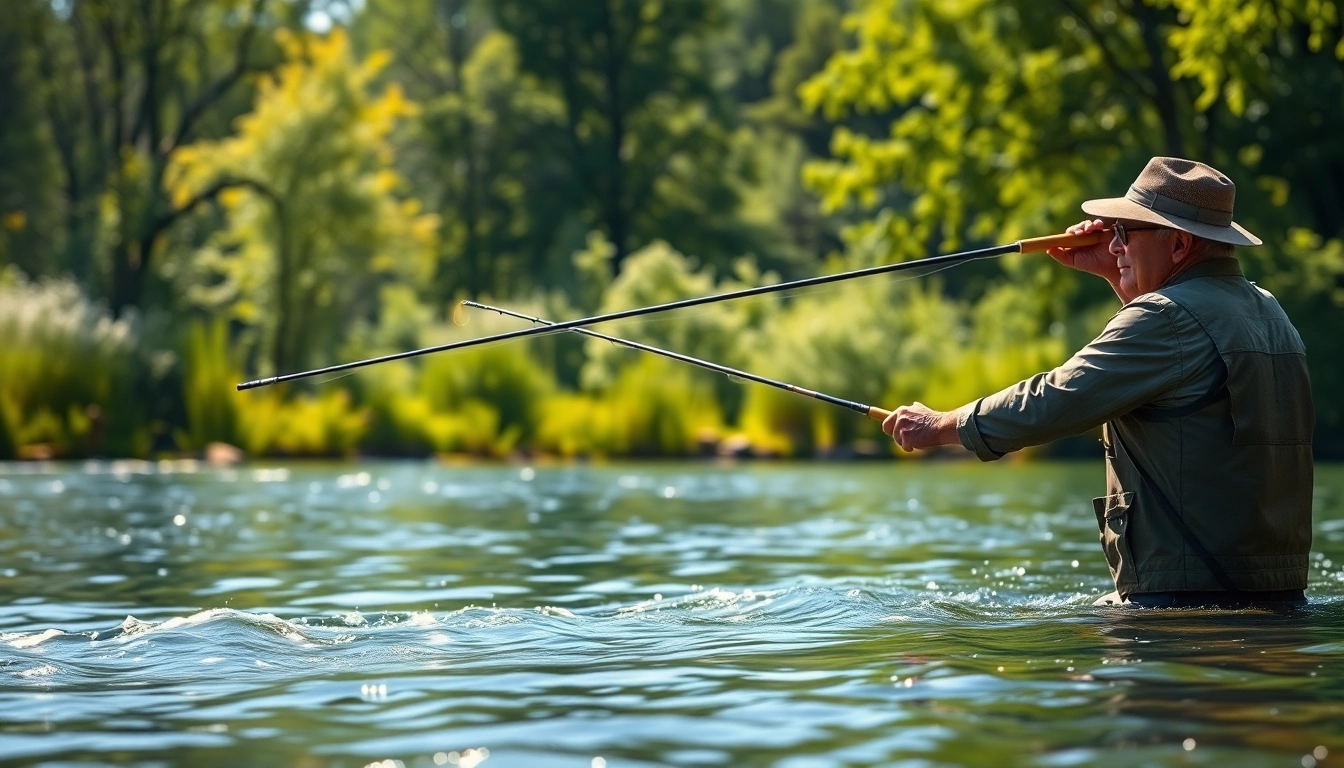
Learning how to cast effectively is an essential skill for any fly angler. The basic overhead cast involves a few steps:
- Start with your rod positioned at 10 o’clock and flick it back to 2 o’clock, allowing the line to straighten behind you.
- Once the line is extended fully, push the rod forward smoothly and stop at 10 o’clock again.
- Control your line’s tension and ensure you have a good loop throughout your cast.
Practice casting on land before heading to the water. Focusing on smooth movements will help you develop a reliable technique that can deliver your fly accurately.
Reading Water and Finding Fish
Understanding how to read water is a skill that can significantly increase your success. Key elements to look for include:
- The Surface: Look for indicators like rising fish, ripples, or feeding patterns.
- Submerged Structures: Fish often hide around rocks, logs, and undercut banks. Casting near these structures can yield better results.
- Temperature and Depth: Fish tend to be in specific areas based on water temperature and depth. Familiarize yourself with the habits of your target species.
Using Proper Tackle and Flies
Using the right tackle and flies is essential to catching fish efficiently. Start with:
- Flies Selection: Learn about local insect hatches and carry a variety of flies that mimic them.
- Drag-Free Presentation: Ensure your fly drifts naturally without drag caused by the line or leader.
- Strip or Retrieve Techniques: Depending on the type of fly and the species you’re targeting, learn various retrieval techniques.
Safety Tips for Fly Fishing
Staying Safe on the Water
Safety should always be a priority when fly fishing. Here are some tips:
- Wear a Life Jacket: If you’re wading in deeper waters, a life jacket can be a lifesaver.
- Buddy System: Whenever possible, fish with a partner. This ensures assistance is available in case of an emergency.
- Be Aware of Your Surroundings: Keep an eye on weather changes and any nearby hazards, such as swift currents or wildlife.
Understanding Weather and Water Conditions
The weather greatly affects fishing outcomes. Fish are more active during specific temperatures and times of day. Additionally:
- Cloudy days can lead to better fishing, as fish feel less exposed and are more likely to feed.
- The best times to fish are usually dawn and dusk when fish are actively feeding.
Essential First Aid Tips
Always be prepared for minor injuries or accidents. Keep a first aid kit handy that includes:
- Adhesive bandages for minor cuts.
- Antiseptic wipes and ointment.
- Insect repellent to prevent bites.
Best Practices for Fly Fishing for Beginners
Conservation and Ethical Fishing
Fly fishermen have an responsibility to practice conservation. Here are a few approaches to follow:
- Follow local regulations regarding size and bag limits.
- Respect other anglers and wildlife while on the water.
- Leave the natural environment better than you found it by cleaning up any litter.
Techniques for Catch and Release
Catch and release is a widely accepted practice that helps maintain fish populations. To do this effectively:
- Use barbless hooks to minimize injury to fish.
- Minimize handling time out of the water and keep fish submerged.
- Ensure that the fish is revived before releasing it back into the water.
Keeping a Fishing Journal
Recording your fishing experiences and data can help improve your skills over time. Consider noting down:
- The dates and locations of your fishing trips.
- The weather conditions and how they affected your catch.
- Successful flies and techniques you used.
Frequently Asked Questions About Fly Fishing for Beginners
What gear do I need to start fly fishing?
You need a fly rod, reel, line, leader, tippet, and flies to start fly fishing.
How do I choose the right fly?
Select flies based on local insect activity, water conditions, and target fish species.
Is fly fishing suitable for beginners?
Yes, fly fishing can be learned by beginners with proper guidance and practice.
What is the best time of year for fly fishing?
Spring and fall are ideal, depending on your location and targeted fish species.
How can I improve my casting technique?
Practice casting in an open area, focusing on your wrist and maintaining a smooth motion.