Understanding the Basics of Design and Engineering
Design and engineering are two interrelated disciplines that serve as the backbone of innovation and product development across various industries. Understanding these fields can help professionals succeed in delivering functional, aesthetic, and sustainable solutions to complex problems. At the intersection of creativity and technical expertise, design and engineering encapsulates a range of methodologies aimed at creating effective products, systems, and structures that meet user needs while aligning with market demands.
What is Design and Engineering?
Design is often seen as the conceptual side of development, where ideas are generated and visualized. It encompasses the art of creating plans or blueprints that guide the construction of objects, systems, or environments. Engineering, on the other hand, is the application of scientific principles to bring those designs to fruition, ensuring that they are feasible, functional, and safe. The synthesis of these two areas results in the robust field of design engineering, which involves both creative and analytical skills to develop innovative solutions across various sectors, such as product design, architecture, and software development.
The Importance of Integrated Design Processes
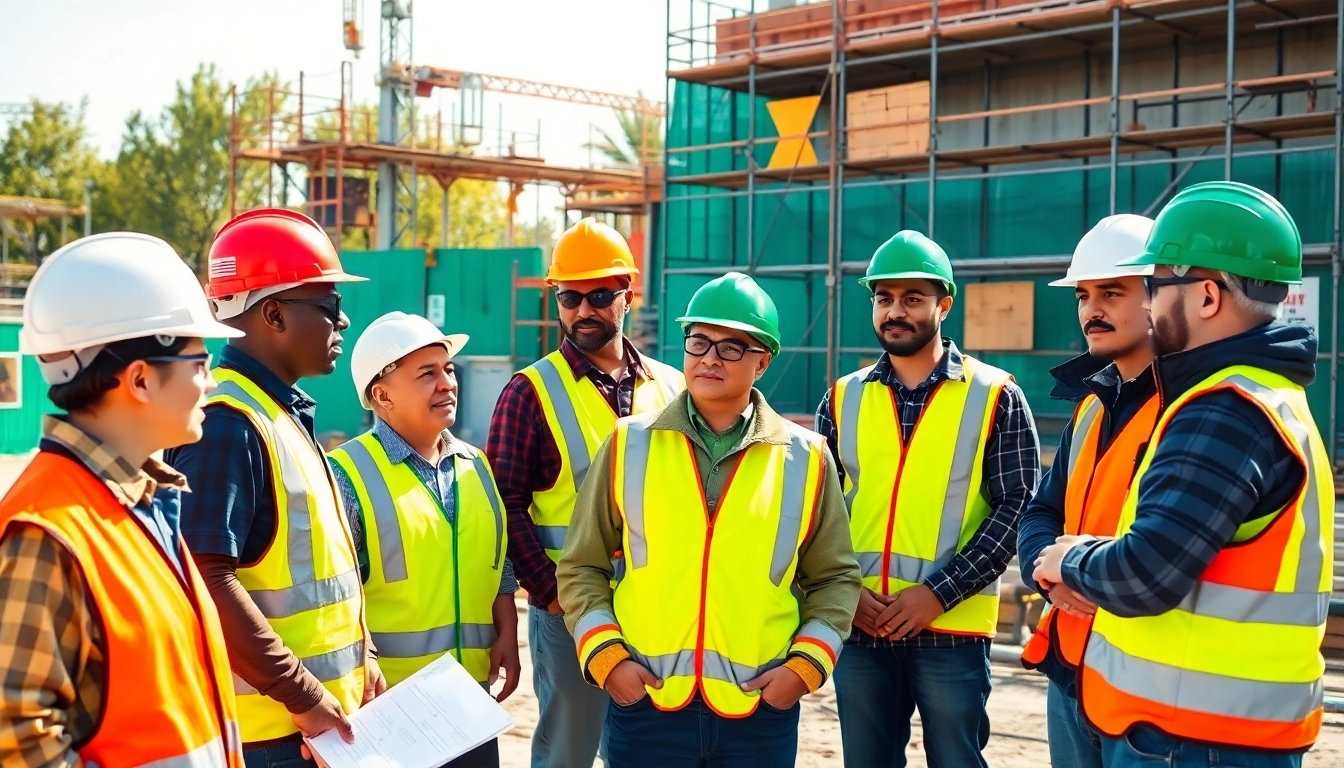
An integrated design process is crucial for successful outcomes in design and engineering. This approach involves collaboration among different disciplines, allowing designers and engineers to work together from the initial concept phase through to execution. Integrated processes facilitate communication, reduce the likelihood of errors, and ensure that all aspects of a project are considered holistically. This leads to enhanced innovation, greater efficiency, and improved end-user satisfaction.
Key Principles of Effective Engineering Design
Effective engineering design is guided by several key principles that contribute to a successful project. These include:
- User-Centered Design: Focusing on the end-users’ needs ensures that the final product truly addresses their requirements and enhances their experience.
- Functionality: The design must work as intended, fulfilling the purpose for which it was created.
- Feasibility: Practicality is vital; designs must utilize materials and processes that are realistic and achievable within project constraints.
- Sustainability: Engineers must consider environmental impacts, opting for designs that minimize resource consumption and waste production.
- Scalability: Solutions should be adaptable to different scales and requirements, ensuring longevity and resilience in various contexts.
Fields Covered Under Design and Engineering
Architectural and Civil Design Considerations
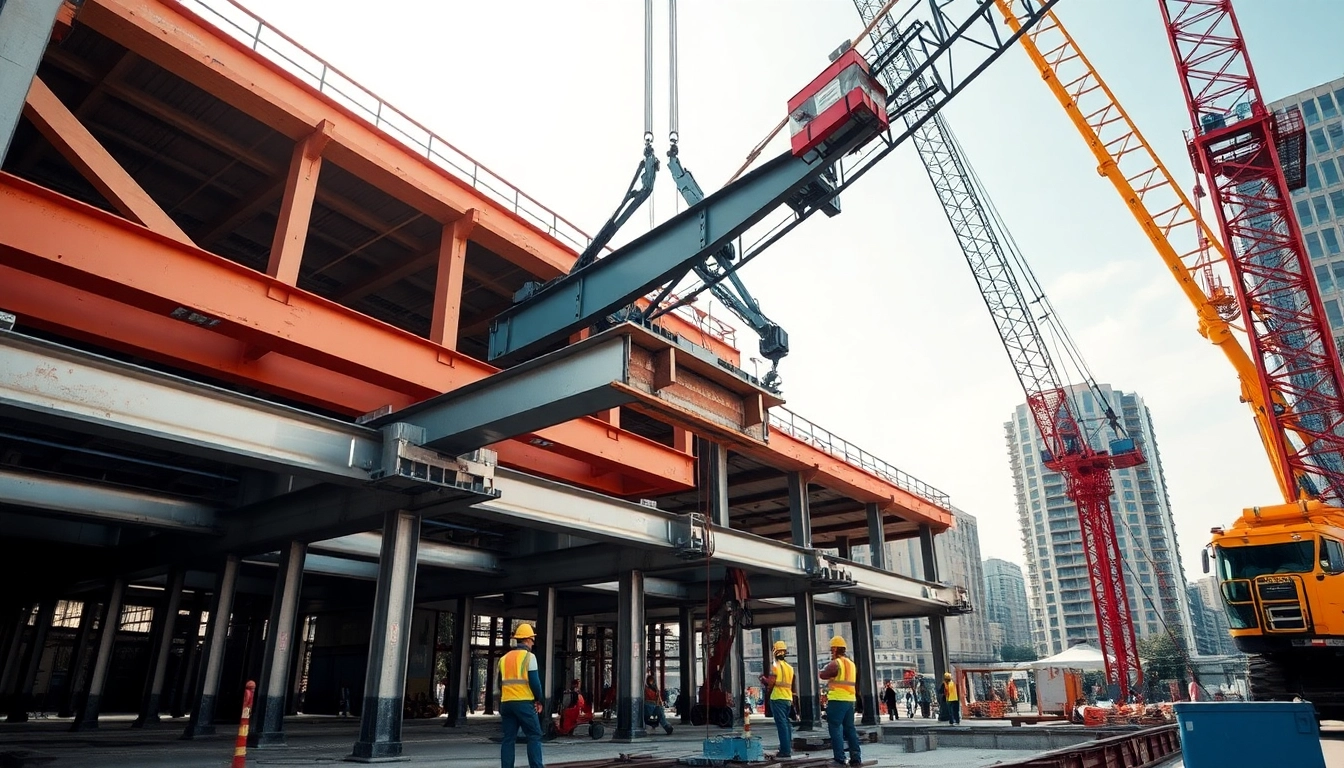
Architectural design is crucial for creating spaces that are not only functional but also aesthetically appealing. Architects must consider a range of factors including building codes, environmental conditions, user needs, and sustainability. Civil engineering complements this by focusing on the structural aspects, ensuring that buildings and infrastructure are safe, durable, and compliant with regulations. This multidisciplinary approach is vital for developing public spaces, residential buildings, and large infrastructure projects, resulting in environments that enhance quality of life while functioning efficiently.
Mechanical Engineering Innovations
Mechanical engineering plays a pivotal role in the development of machines and mechanical systems. Innovations in this field often arise from the intersection of design and engineering, leveraging advancements in materials science, manufacturing technologies, and computational methods. Techniques such as rapid prototyping and computer-aided design (CAD) allow engineers to visualize intricate mechanisms and assess their performance before going into full-scale production. This proactive approach not only accelerates product development cycles but also leads to higher quality and more reliable products.
Software and Digital Product Design
In the digital age, software and digital product design have emerged as critical components of the design and engineering landscape. This field encompasses user interface (UI) and user experience (UX) design, which are essential for creating intuitive and engaging digital experiences. Balancing functionality with aesthetics, software designers leverage technology to craft applications and systems that meet user expectations while solving complex problems. As the demand for seamless digital experiences increases, design and engineering professionals must stay abreast of evolving technologies and user behaviors to create innovative solutions.
Challenges in Design and Engineering
Addressing User Needs and Market Demands
One of the most significant challenges in design and engineering is accurately identifying and addressing user needs. Market research is essential to gather insights about user behaviors, preferences, and pain points. Employing techniques such as interviews, surveys, and focus groups can help teams develop empathy for their target audience, revealing nuances that facilitate effective solutions. Additionally, ongoing user feedback throughout the design process can refine and enhance products before launch, helping to ensure market success.
Sustainability in Engineering Solutions
As environmental concerns rise globally, the challenge of integrating sustainability into engineering solutions becomes paramount. Design and engineering professionals must think critically about resource use and environmental impact, striving to develop sustainable materials, processes, and products. Innovations such as green building practices, energy-efficient systems, and circular economy principles are critical in reducing the ecological footprint of engineering projects, aligning both corporate responsibilities and user expectations toward sustainable development.
Collaboration: A Key to Solving Problems
Collaboration is integral within design and engineering teams, as diverse perspectives can lead to innovative problem-solving. However, managing teamwork across different disciplines presents challenges related to communication barriers, differing priorities, and organizational culture. Implementing collaborative tools and practices, such as agile methodologies or cross-functional workshops, can enhance teamwork and streamline project workflows. Fostering a culture of collaboration encourages creativity and leads to more effective solutions.
Best Practices for Successful Design and Engineering Projects
Utilizing User-Centered Design Approaches
User-centered design (UCD) focuses on the end-users throughout the entire development process, ensuring that their needs drive design decisions. Practically, teams should conduct user research to understand their target audience deeply, iterate based on feedback, and validate assumptions with real-world testing. This approach leads to more intuitive designs that resonate with users, ultimately resulting in higher satisfaction and better adoption rates.
Effective Project Management Strategies
Project management is a critical component of successful design and engineering initiatives. Utilizing frameworks such as Agile or Waterfall can help teams effectively visualize their progress, define clear milestones, and allocate resources efficiently. Communicating regularly and transparently, while embracing adaptability to changes, can help teams respond to unforeseen challenges while maintaining momentum. Regular assessments of project performance against set goals can keep teams aligned and focused on success.
Continuous Improvement through Feedback Loops
Incorporating feedback loops into the design and engineering process fosters a culture of continuous improvement. By gathering insights from stakeholders, end-users, and team members, professionals can identify areas for enhancement and validation of ideas. This iterative approach not only improves product outcomes but instills a mindset of learning and refinement within the team, paving the way for future innovations.
The Future of Design and Engineering
Emerging Trends in Technology and Design
As technology advances, design and engineering fields are experiencing transformative shifts. Emerging trends such as artificial intelligence, machine learning, and augmented reality are influencing how products are designed, tested, and manufactured. These technologies enable more effective simulations, personalized designs, and interactions that were previously unimaginable, but they also require professionals to adapt and upskill to maintain relevance in an evolving landscape.
Adapting to Rapid Changes in Engineering
Rapid changes in technology and user expectations necessitate that design and engineering professionals stay agile and open to learning. Adopting an innovation mindset and leveraging continuous education can help individuals and teams respond proactively to shifts in market demands. Engaging in professional development through workshops, seminars, and industry conferences fosters the exchange of ideas and best practices, enhancing competitive capabilities in an ever-evolving field.
Career Opportunities in Design and Engineering
The future looks bright for professionals in design and engineering, with a growing demand for skilled individuals in diverse sectors. From architectural firms to technology companies, opportunities abound for those who can merge creativity with technical problem-solving abilities. Expanding knowledge in areas such as sustainable design, user experience, and emerging technologies can significantly enhance employability and career progression, opening doors to a fulfilling and dynamic career landscape.
Frequently Asked Questions
1. What are the key roles in design and engineering?
Key roles include design engineers, architects, product designers, mechanical engineers, and software developers, all collaborating to create innovative solutions.
2. How can one pursue a career in design engineering?
Pursuing a degree in design engineering, gaining hands-on experience through internships, and developing technical skills in tools like CAD are essential steps.
3. What is the difference between design and engineering?
Design involves the creation of concepts and plans, while engineering focuses on implementing those designs using scientific principles to create functional solutions.
4. Why is sustainability important in engineering?
Sustainability minimizes the environmental impact of engineering projects, improving resource efficiency and aligning with global efforts toward a greener future.
5. What are the emerging trends in design and engineering?
Emerging trends include the integration of AI, 3D printing, and digital twin technologies, which enhance innovation and efficiency in the design process.