Understanding the Role of a New York City Construction Manager
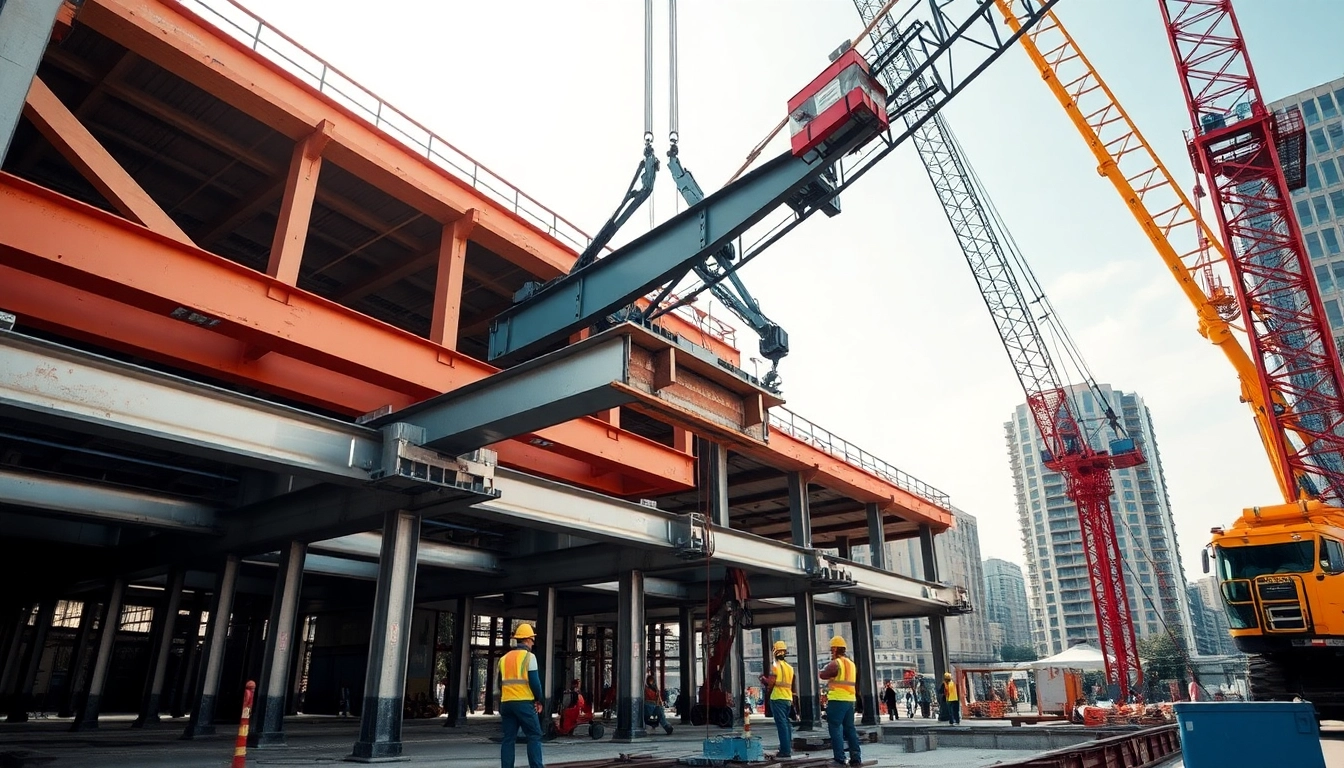
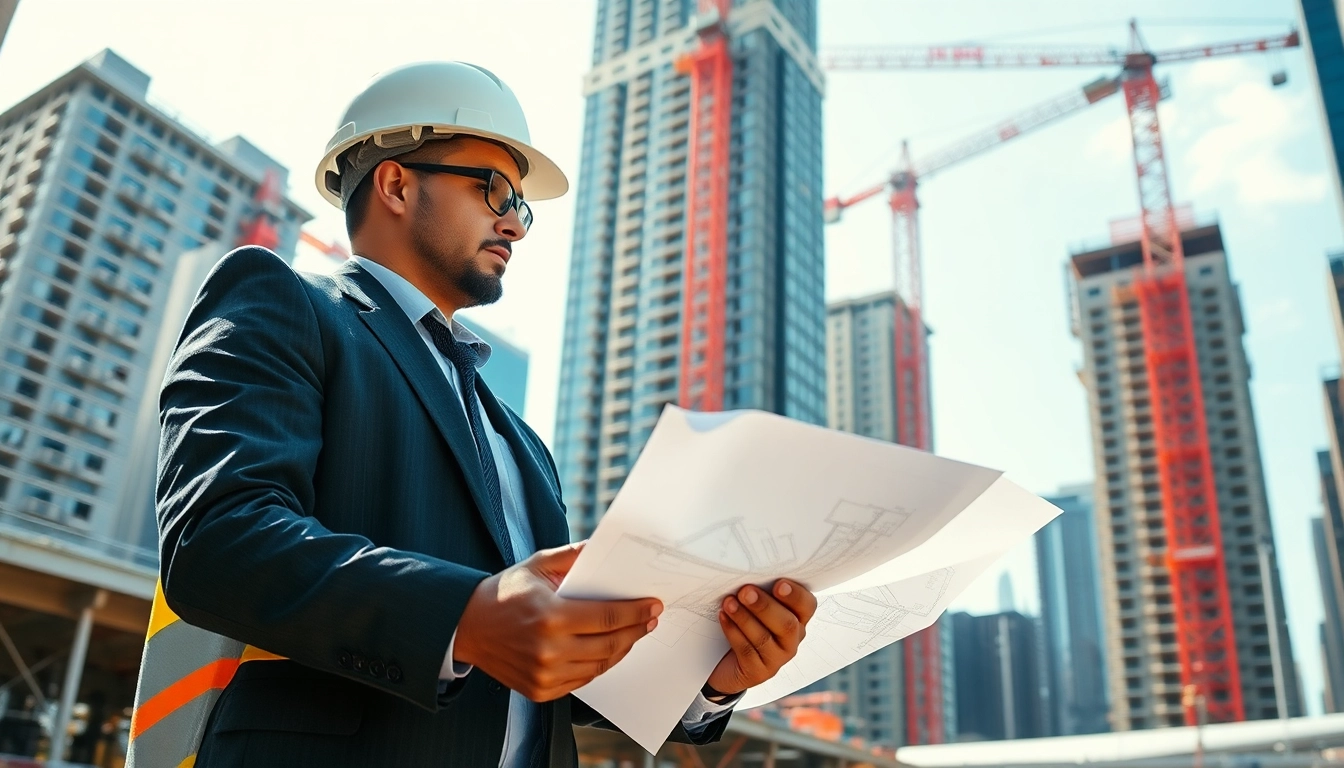
The role of a New York City Construction Manager is pivotal in executing urban construction projects. These professionals ensure that projects run smoothly from inception to completion, often in a dynamic and challenging environment. The complexities of New York City’s infrastructure, diverse stakeholders, and fast-paced development landscape make the role even more critical. This section will provide an overview of the key responsibilities, skills, and the importance of effective communication in this vital role.
Key Responsibilities and Skills
A New York City Construction Manager oversees various facets of construction projects, including budgeting, scheduling, and resource management. Key responsibilities include:
- Project Oversight: From initial planning to project completion, ensuring all phases are executed efficiently.
- Budget Management: Developing and managing budgets to avoid overspending and ensure profitability.
- Team Coordination: Working with architects, engineers, and contractors to maintain seamless communication.
- Problem-Solving: Addressing unforeseen issues promptly to minimize delays.
Essential skills include leadership, negotiation, and a deep understanding of construction processes and local regulations. Proficiency in software tools for project management also plays a significant role in a Construction Manager’s effectiveness.
Importance of Communication in Construction Management
Effective communication is crucial at every stage of construction management. It ensures that all stakeholders, from the client to subcontractors, are aligned with project objectives. Regular updates and open channels of communication can significantly reduce misunderstandings and conflicts, enhancing teamwork and project outcomes.
Project Planning and Coordination
Project planning is the backbone of construction management. A methodical approach guarantees clarity and efficiency throughout the construction lifecycle. This segment delves into the intricacies of developing a comprehensive project plan, scheduling, resource allocation, and risk management techniques.
Developing a Comprehensive Project Plan
A comprehensive project plan outlines every stage of the construction process, detailing timelines, resources, and responsibilities. Key components include:
- Scope Definition: Clear articulation of project goals and deliverables.
- Timeline Creation: Establishing a realistic timeline with milestones for tracking progress.
- Resource Identification: Identifying materials, labor, and equipment required for project execution.
Involving all stakeholders during planning is critical; it fosters a collaborative environment and ensures various perspectives are incorporated.
Scheduling and Resource Allocation
Effective scheduling forms the foundation for resource allocation. Utilizing Gantt charts and project management software can help visualize project timelines and resource assignments. Key practices for optimal scheduling include:
- Critical Path Analysis: Identifying essential tasks that impact the project timeline.
- Buffer Time: Allocating extra time for unforeseen delays, minimizing the risk of running over schedule.
- Resource Leveling: Adjusting the project schedule to balance resource usage and prevent over-allocation.
These techniques ensure that resources are used wisely and that the project remains on track.
Risk Management Techniques
In construction, risk is inevitable. Being proactive in identifying and mitigating risks can save time and costs. Strategies for effective risk management include:
- Risk Assessment: Identifying potential risks and evaluating their impact and likelihood.
- Contingency Planning: Preparing backup plans for high-impact risks.
- Regular Monitoring: Continuously assessing risk factors throughout the project lifecycle.
Embedding these practices into the project management process not only increases the likelihood of project success but also enhances stakeholder confidence.
Budgeting and Financial Oversight
Budget management is a critical aspect of construction management, especially in a city like New York, where costs can escalate quickly. This section examines estimating construction costs, effective budget management, and the necessity of financial reporting.
Estimating Construction Costs
Accurate cost estimation is essential for financial health in construction projects. Techniques include:
- Historical Data Analysis: Leveraging past project data to inform cost estimates.
- Unit Cost Method: Estimating costs per unit of measure, such as square footage.
- Contingency Funds: Setting aside additional funds to cover unexpected expenses.
By employing these methods, a New York City Construction Manager can create a realistic budget that anticipates challenges and capitalizes on opportunities.
Managing Budgets Effectively
Once a budget is established, maintaining control over expenditures is vital. Effective budget management practices include:
- Regular Financial Audits: Conducting audits to track expenses against the budget.
- Adjusting Forecasts: Being flexible in modifying forecasts as the project progresses.
- Stakeholder Reporting: Keeping stakeholders informed about budget performance through regular updates.
By adopting a proactive approach to budget management, Construction Managers can mitigate the risk of cost overruns and ensure project sustainability.
Financial Reporting Practices
Transparent financial reporting is integral to project success. It provides a clear picture of the project’s financial status and helps inform decision-making. Best practices include:
- Standardized Reporting: Utilizing consistent formats for financial reporting to facilitate comparison and analysis.
- Timely Updates: Providing stakeholders with regular insights into financial performance.
- Variance Analysis: Analyzing differences between projected and actual costs to refine future estimates.
By implementing robust financial reporting practices, a Construction Manager can enhance accountability and ensure that all financial aspects align with project goals.
Quality Control and Safety Standards
Ensuring quality and safety at construction sites is paramount. This section addresses the establishment of quality assurance protocols, compliance with safety regulations, and the training and certification of workers.
Establishing Quality Assurance Protocols
Quality assurance should be embedded in every phase of the construction process. Key steps include:
- Setting Quality Standards: Defining quality benchmarks based on industry standards and client expectations.
- Regular Inspections: Conducting frequent quality assessments and audits during the construction process.
- Corrective Action Plans: Developing strategies to address quality issues swiftly when they arise.
By proactively managing quality assurance, a Construction Manager helps ensure successful project outcomes and enhances client satisfaction.
Implementing Safety Regulations on Site
Safety on construction sites cannot be overlooked, given the inherent risks involved. Implementing stringent safety regulations includes:
- Safety Protocol Development: Creating comprehensive safety manuals that outline procedures and best practices.
- Regular Safety Training: Conducting training sessions for all personnel on safety standards and emergency protocols.
- Site Inspections: Performing regular site inspections to ensure compliance with safety regulations.
These practices not only protect workers but also mitigate legal risks associated with workplace injuries.
Training and Certification for Workers
Investing in workforce training and certification elevates project quality and safety. Essential components include:
- Industry Certifications: Ensuring workers acquire relevant certifications, such as OSHA for safety.
- Soft Skills Training: Providing training in communication, teamwork, and problem-solving.
- Continuous Education: Encouraging ongoing education about new technologies and methods in construction.
By empowering workers with knowledge and skills, a Construction Manager enhances workforce effectiveness and project integrity.
Future Trends in Construction Management
The construction industry is evolving rapidly, driven by new technologies and changing market demands. This section explores the integration of technology into construction practices, the adoption of sustainable building practices, and the impact of urbanization on construction projects.
Integrating Technology into Construction Practices
Embracing technology is no longer optional in construction management; it’s imperative for staying competitive. Key trends include:
- Building Information Modeling (BIM): Utilizing BIM for accurate planning and visualization of project layouts.
- Project Management Software: Implementing cloud-based tools for enhanced collaboration and tracking.
- Drones: Using drones for site surveying and monitoring to improve efficiency and data collection.
The integration of these technologies enhances project accuracy, reduces waste, and improves communication among stakeholders.
Sustainable Building Practices
As environmental concerns grow, sustainable building practices are becoming a standard in construction. Key elements include:
- Green Materials: Utilizing eco-friendly materials to reduce environmental impact.
- Energy Efficiency: Designing buildings to reduce energy consumption through efficient systems.
- Waste Management: Implementing recycling and waste reduction strategies on construction sites.
These practices not only benefit the planet but also offer financial incentives such as tax breaks and energy savings.
Impact of Urbanization on Construction Projects
Urbanization presents both challenges and opportunities for construction managers. With an increasing population in urban areas, the demand for housing, infrastructure, and public services is escalating. Key considerations include:
- Space Optimization: Innovative solutions for space management in densely populated areas.
- Infrastructure Upgrades: Ensuring existing infrastructure can support new developments.
- Community Engagement: Involving local communities in planning to address concerns and gain support.
By understanding these dynamics, a Construction Manager can navigate the complexities of urbanization effectively.
FAQs
What does a New York City Construction Manager do?
A New York City Construction Manager oversees construction projects, ensuring they are completed on time, within budget, and according to quality standards.
How can a Construction Manager improve project communication?
A Construction Manager can improve communication by establishing clear channels, conducting regular meetings, and utilizing project management software.
What are the key skills every Construction Manager should have?
Key skills include strong leadership, effective communication, financial acumen, problem-solving capabilities, and knowledge of construction practices and regulations.
Why is safety training essential for construction workers?
Safety training helps ensure that workers are aware of hazards, understand safety protocols, and can minimize the risk of accidents on site.
What trends are shaping the future of construction management?
Future trends include increased technology integration, a focus on sustainability, and adapting to the challenges posed by urbanization.