Understanding the Role of a Steel Fabrication Shop
Steel fabrication shops play an integral role in the fabrication industry, providing critical services that transform raw metal into usable structures and components. When a project requires precise specifications, quality workmanship, and timely delivery, choosing the right steel fabrication shop can significantly impact the success of the project. This article will delve into what steel fabrication entails, the key services offered, the importance of quality, and how to effectively collaborate with a steel fabrication shop for optimal results.
What is Steel Fabrication?
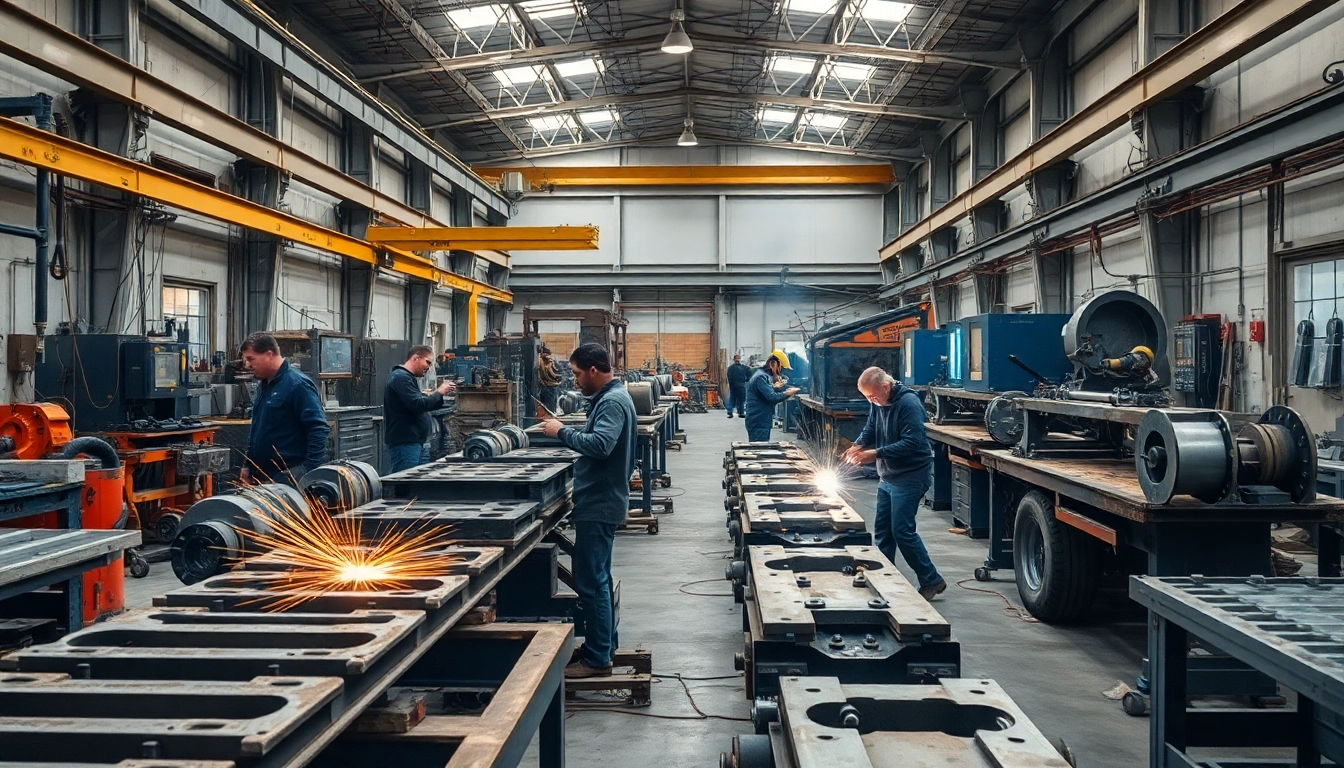
Steel fabrication is the process of cutting, bending, and assembling steel to manufacture various structures, components, and products. The process is crucial in multiple sectors, including construction, manufacturing, and industrial applications. Steel fabrication involves several stages, including:
- Design: Creating detailed plans and specifications based on project requirements.
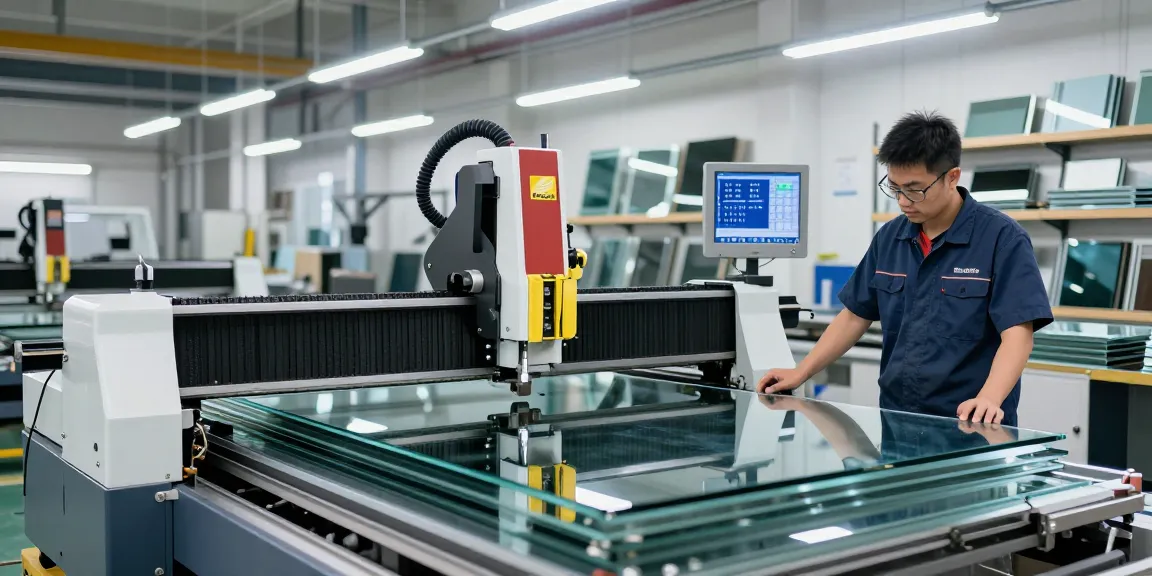
- Cutting: Using various methods like laser cutting, plasma cutting, or sawing to obtain the desired dimensions.
- Bending: Using specialized machinery to shape the steel into the required angles and forms.
- Assembly: Joining parts through welding, bolting, or riveting to create a final product.
Each step requires specific expertise, equipment, and quality checks to ensure that the final product meets industry standards and customer expectations.
Key Services Offered by Steel Fabrication Shops
Steel fabrication shops offer a diverse range of services tailored to meet the unique needs of businesses in various sectors. Some of the essential services include:
- Structural Steel Fabrication: Fabrication of beams, columns, and other structural elements needed for construction projects.
- Custom Metal Fabrication: Tailored solutions for specific applications, including specialized shapes and sizes.
- Welding Services: Various welding techniques, including MIG, TIG, and stick welding, to connect metal pieces securely.
- Surface Treatment: Processes such as powder coating, galvanization, or painting to protect metal surfaces from corrosion.
- Assembly and Installation: Some shops also offer on-site assembly and installation services to ensure that components are fitted correctly.
These services highlight the versatility of steel fabrication shops in meeting diverse market demands and fulfilling client specifications.
The Importance of Quality in Steel Fabrication
Quality in steel fabrication is non-negotiable. The integrity of a structure relies heavily on the quality of the components involved. Defects or inconsistencies can lead to costly repairs, delays, and safety hazards. To ensure quality, a reputable steel fabrication shop should implement the following quality assurance measures:
- Material Quality: Sourcing high-grade steel materials that meet industry standards.
- Skilled Workforce: Employing experienced fabricators, welders, and engineers who are trained to execute tasks with precision.
- Inspection Processes: Conducting regular inspections throughout the fabrication process to identify and rectify issues early.
- Compliance: Adhering to relevant codes and standards established by industry bodies.
Investing in quality not only minimizes risks but also enhances the overall reliability and durability of the end products.
Identifying Your Project Needs for Steel Fabrication
Before engaging a steel fabrication shop, it’s essential to identify your project needs comprehensively. This involves assessing material specifications, defining the project scope, and evaluating technical requirements.
Assessing Material Specifications
The first step in determining fabrication needs is assessing the material specifications of your project. This encompasses identifying the type of steel or metals required, understanding the grade specifications, and determining whether additional treatments or coatings are necessary. Common considerations include:
- Type of Steel: Options commonly include carbon steel, stainless steel, and aluminum.
- Thickness and Size: The dimensions of the steel components must align with structural requirements.
- Special Treatments: Consider if processes like galvanization or powder coating are necessary for corrosion resistance.
Having clear specifications ensures that the fabricator can procure suitable materials, preventing unnecessary delays and costs.
Defining Project Scope and Timeline
Clearly defining the project scope and timeline is crucial for effective planning and execution. This includes:
- Project Goals: What are the primary objectives? Understanding the end goal allows for strategic planning.
- Scope of Work: Defining what tasks will be performed, by whom, and what resources will be needed.
- Timeline: Establishing a realistic timeline helps in resource allocation and scheduling.
Having these elements laid out in advance supports a smoother collaboration with the steel fabrication shop, aligning expectations and deliverables.
Evaluating Technical Requirements
Every project has different technical requirements that may affect the fabrication process. Assessing factors such as load-bearing requirements, temperature tolerances, and environmental conditions is essential. Considerations include:
- Load Specifications: Understanding how much weight the structure will bear informs design choices.
- Environmental Conditions: Factors like exposure to moisture or chemicals may dictate material choice and treatments.
- Code Compliance: Research applicable building codes and regulations to ensure adherence throughout the project.
Evaluating these technical requirements upfront allows for the selection of appropriate fabrication methods and materials.
How to Choose the Right Steel Fabrication Shop
Selecting the right steel fabrication shop is a critical decision that can influence project outcomes. Here are key factors to evaluate during the selection process.
Evaluating Experience and Expertise
Experience and expertise are invaluable assets in the steel fabrication industry. A shop that has been operational for several years often has a wealth of knowledge and skills accumulated from various projects. Evaluate experience by:
- Portfolio of Work: Review past projects similar to your own to gauge the shop's capabilities.
- Industry Experience: Consider their experience in specific sectors, such as industrial, residential, or commercial projects.
- Technical Skills: Ensure that the shop is equipped to handle the specific fabrication techniques required for your project.
Choosing a shop with proven experience can enhance the likelihood of achieving your project goals effectively.
Certifications and Industry Compliance
Certifications are indicators of a fabrication shop's commitment to quality and safety standards. It's essential to verify that the shop holds relevant certifications like:
- ISO Certification: Demonstrates adherence to international quality management standards.
- American Welding Society (AWS): Certifies the welding competence of fabricators.
- OSHA Compliance: Ensures the shop adheres to safety practices in the workplace.
Certifications reflect a shop's professionalism and reliability, contributing to overall project confidence.
Customer Testimonials and Case Studies
One of the best ways to evaluate a steel fabrication shop is through customer testimonials and case studies. Feedback from previous clients can provide insights into:
- Quality of Work: Testimonials reflect the satisfaction level of clients regarding the work delivered.
- Reliability: Understanding if the shop met timelines and stayed within budget.
- Customer Support: Gauge how well the shop communicated and resolved issues during the project.
Looking for case studies that demonstrate successful project completions can further validate a fabricator's capabilities.
Optimizing Your Collaboration with a Steel Fabrication Shop
Effective collaboration with a steel fabrication shop maximizes the chances of project success. To achieve the best outcomes, consider the following strategies.
Effective Communication with Fabricators
Communication is fundamental to successful working relationships. Establish clear lines of communication from the start. This includes:
- Regular Check-ins: Schedule periodic updates to discuss project status and any potential issues.
- Clarity in Instructions: Provide clear, concise instructions and documentation to avoid misunderstandings.
- Feedback Mechanism: Allow space for feedback from both parties to discuss improvements and adjustments.
Adopting a collaborative communication style fosters a positive working environment and encourages transparency.
Understanding Pricing Structures
Understanding the pricing structure of a steel fabrication shop is vital for budget management. Be proactive in discussing costs by:
- Requesting Quotes: Obtain detailed quotes that itemize the costs associated with materials, labor, and services.
- Clarifying Payment Terms: Understand payment schedules, deposits required, and any contingencies that may arise.
- Comparative Analysis: Conduct a comparative analysis of quotes from different shops to ensure competitive pricing.
Being informed about pricing structures minimizes misunderstandings and helps in budget planning.
Planning for Project Milestones
Setting clear project milestones is essential for tracking progress and ensuring timely delivery. When working with a steel fabrication shop, consider:
- Defining Milestones: Outline key phases of the project and establish specific timelines for each.
- Monitoring Progress: Regularly check the status of milestones to ensure adherence to timelines.
- Adjustments: Be open to making adjustments if unforeseen challenges arise.
Proper planning allows for responsive action and helps keep the project on track.
Innovations in the Steel Fabrication Shop Industry
The steel fabrication industry continues to evolve, driven by technological advancements and a growing focus on sustainability. Staying ahead of these trends is essential for both fabricators and clients.
Emerging Technologies in Steel Fabrication
Advancements in technology have significantly affected the efficiency and precision of steel fabrication processes. Key innovations include:
- Automated Fabrication: Utilizing robotic systems and automated machinery enhances speed and consistency.
- 3D Printing: This technology is increasingly being employed for rapid prototyping, allowing for efficient design iterations.
- Advanced Software: Software solutions now provide enhanced planning, simulation, and project management capabilities.
These technologies not only improve productivity but also allow for higher-quality outputs with less waste.
Sustainable Practices in Steel Fabrication
Sustainability is becoming increasingly important in steel fabrication. Fabricators are adopting practices that reduce environmental impact, such as:
- Recycling Steel: Utilizing recycled materials whenever possible to minimize waste.
- Energy Efficiency: Investing in energy-efficient machinery and processes to reduce operational costs and environmental footprint.
- Eco-friendly Treatments: Exploring alternative coatings and treatments that minimize harmful emissions.
Embracing sustainable practices benefits both the environment and the facades of steel fabricators.
The Future of Steel Fabrication Projects
The landscape of steel fabrication is evolving rapidly. As we look to the future, several trends emerge:
- Increased Customization: Clients are seeking more tailored solutions, pushing fabricators toward greater flexibility and creativity.
- Global Sourcing: Sourcing materials from around the globe to enhance quality and cost-effectiveness.
- Collaboration: Advancements in technology are leading to more collaborative approaches between architects, engineers, and fabricators, ensuring that design and fabrication are perfectly aligned.
Staying ahead of these trends will be crucial for fabricators looking to thrive in an increasingly competitive marketplace.
In conclusion, the role of a steel fabrication shop is multifaceted, involving quality processes, effective communication, and innovative solutions. By understanding the nuances of this industry, clients can make informed decisions that lead to successful project completions. With careful evaluation, planning, and collaboration, the right steel fabrication shop can transform ideas into reality, ensuring structures are built on a foundation of quality and precision.