1. Introduction to the Fire Tetrahedron
The concept of the fire tetrahedron is a fundamental principle in fire safety that expands upon the traditional fire triangle by adding a crucial fourth element. Understanding this tetrahedron is essential for anyone involved in fire prevention, firefighting, or safety management. In this comprehensive guide, we will delve into what the fire tetrahedron is, its essential components, and its significance in enhancing fire safety protocols.
1.1 What is the Fire Tetrahedron?
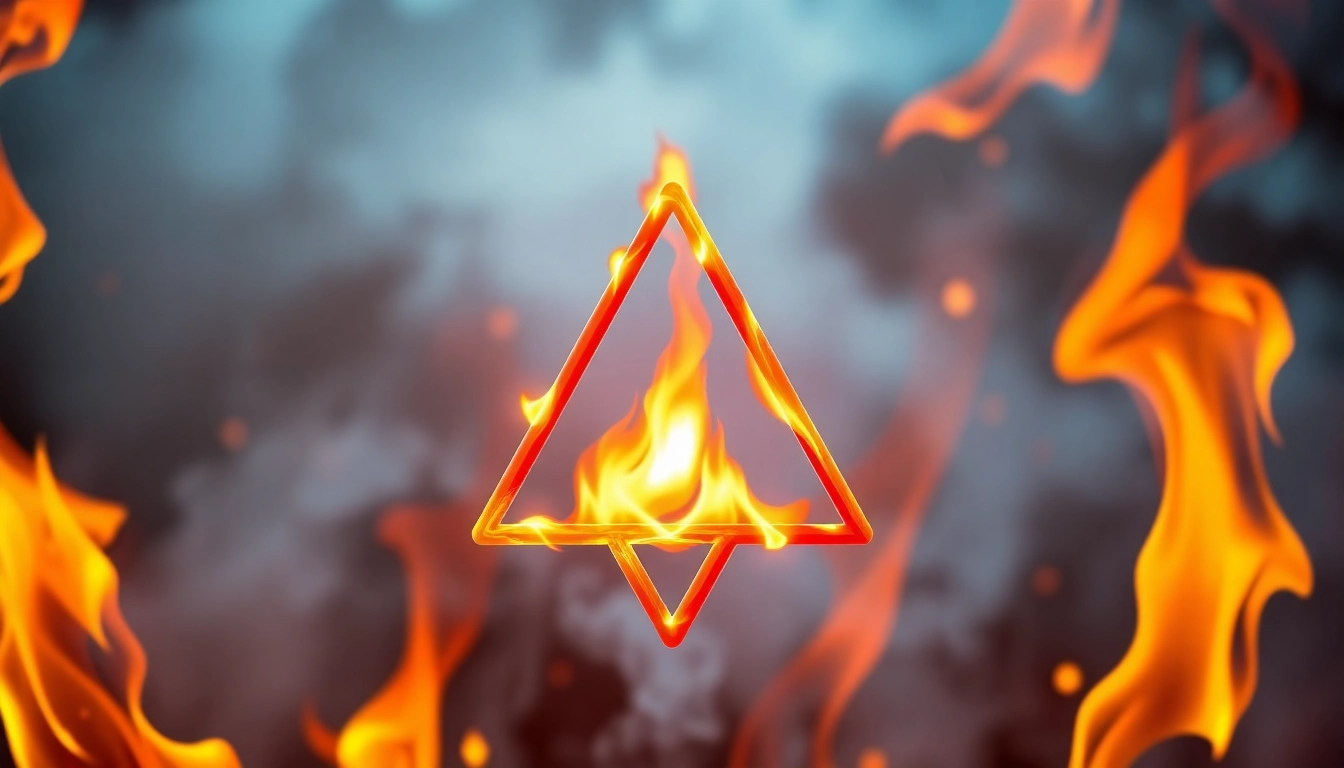
The fire tetrahedron is a model that illustrates the four essential elements required for fire to occur and sustain itself: heat, fuel, oxygen, and a chemical chain reaction. Developed to provide a deeper understanding of fire dynamics beyond what the fire triangle (which consists of fuel, heat, and oxygen) offers, the fire tetrahedron emphasizes the role of the continuous chain reaction that occurs during combustion. By recognizing these four interconnected elements, individuals and organizations can implement more effective fire prevention strategies.
1.2 Components of the Fire Tetrahedron
The four components of the fire tetrahedron work together in various ways to create and sustain fire:
- Heat: The necessary energy that initiates the combustion process.
- Fuel: Any combustible material that can cause a fire, such as wood, plastics, or fabric.
- Oxygen: Generally sourced from the atmosphere, this element is crucial for sustaining combustion.
- Chemical Chain Reaction: The process that occurs during combustion that allows the fire to continue burning after initial ignition.
1.3 Importance in Fire Safety
Understanding the fire tetrahedron is vital for fire safety for several reasons. First, it equips individuals and organizations with the knowledge necessary to assess fire risks accurately. Second, it informs the development of preventative measures by allowing stakeholders to target specific elements of the tetrahedron to mitigate fire hazards. Lastly, a deep understanding of this model enhances emergency response efforts by improving firefighting tactics and strategies to disrupt the chemical chain reaction and extinguish fires effectively.
2. The Four Elements of Fire Tetrahedron
2.1 Heat: The Catalyst of Fire
Heat, as a component of the fire tetrahedron, is the initial factor that starts the combustion process. Sources of heat can vary widely, including mechanical sparks, open flames, and even high temperatures caused by friction or electrical currents. Understanding the sources and methods to control heat can lead to better prevention strategies:
- Identifying Heat Sources: Assessing workplaces and environments to identify potential heat sources is essential in preventing ignition.
- Temperature Control: Keeping materials at a safe temperature can prevent spontaneous ignition and other heat-related fire risks.
- Cooling Agents: Utilizing water, fire extinguishers, or foam can aid in heat removal during a fire incident.
2.2 Fuel: Sources of Combustion
Fuel is the substance that burns in a fire. It can be solid, liquid, or gas, such as wood, gasoline, or propane. The type of fuel present significantly influences the way a fire behaves, including its intensity, duration, and methods required for extinguishment:
- Identifying Fuels: Conducting a thorough inventory and hazard assessment can help identify potential combustible materials in any given area.
- Material Safety Data Sheets (MSDS): Utilizing MSDS can provide information on proper handling and storage of fuels to minimize fire risks.
- Proper Disposal: Following safe disposal practices for combustible materials can greatly reduce fire hazards.
2.3 Oxygen: The Fire’s Lifeline
Oxygen is a critical element in the combustion process, typically sourced from the air. To effectively control fire development and spread, understanding oxygen's role is paramount:
- Monitoring Oxygen Levels: In many environments, especially enclosed spaces, understanding the levels of available oxygen can inform fire prevention measures.
- Ventilation: Proper ventilation can help dilute concentrations of flammable gases and vapors, reducing the likelihood of fire.
- Oxygen Deficiency: Being aware of and addressing oxygen-deficient environments can limit the re-ignition risks in firefighting scenarios.
3. Applications of the Fire Tetrahedron
3.1 Fire Prevention Strategies
Understanding the fire tetrahedron is not just theoretical; it has practical applications in developing effective fire prevention strategies. Organizations can implement policies based on the four elements:
- Eliminating Fuel Sources: Identify and remove combustible materials from an area where a fire could potentially start.
- Controlling Heat: Regularly inspect electrical equipment and machinery for potential sparks and overheating.
- Oxygen Management: Ensure proper ventilation in storage facilities to prevent the accumulation of flammable gases.
3.2 Firefighting Techniques
The principles of the fire tetrahedron guide firefighters in extinguishing fires. Some critical techniques include:
- Using Fire Extinguishers: Different types of extinguishers (e.g., foam, dry chemical, CO2) tackle different elements of the tetrahedron.
- Creating Fire Breaks: By removing fuel, fire crews can create breaks to halt the spread of fire.
- Cooling the Fire: Applying water helps to remove heat and reduce the temperature below ignition levels.
3.3 Case Studies in Fire Safety
Several real-world incidents highlight the importance of understanding the fire tetrahedron. For example:
- The Triangle Shirtwaist Factory Fire: This tragic event in 1911 illustrated the catastrophic consequences of inadequate controls over fuel sources and heat in a confined space.
- California Wildfires: The management of vegetation (fuel) and fire breaks demonstrates a large-scale application of fire prevention tactics rooted in the fire tetrahedron.
4. Common Misconceptions about Fire Tetrahedron
4.1 Debunking Fire Myths
Many myths about fire and its dynamics persist, often leading to risky behaviors. Understanding the fire tetrahedron can help debunk these myths:
- Myth: Water Always Exterminates Fire: While water is effective for many types of fires, it can be hazardous for electrical and grease fires.
- Myth: All Fuels Burn the Same: Ignition temperature and combustion characteristics can differ significantly among fuels, affecting how they should be dealt with.
4.2 Misunderstandings of Fire Behavior
Many people are not fully aware of how fire behaves and spreads. For instance, the misconception of fire needing only heat and fuel ignores the critical role of oxygen, which can lead to inadequate ventilation strategies:
- Ventilation Techniques: Proper understanding of oxygen dynamics and how ventilation affects fire can save lives and property.
- Fire Growth Phases: Awareness of the different stages of fire growth—ignition, growth, fully developed, and decay—helps in preparing for and responding to fires effectively.
4.3 Clarifying Fire Safety Protocols
Fire safety protocols often become convoluted due to various interpretations of best practices. Clarifying these via the fire tetrahedron framework can simplify implementation:
- Regular Training: Regular sessions on the fire tetrahedron can help staff and safety personnel better understand their roles in fire prevention.
- Mock Drills: Realistic drills can illustrate how to effectively manipulate the elements of the tetrahedron in emergency situations.
5. Advancing Fire Safety Knowledge
5.1 Training Programs for Professionals
Professional training programs are essential for fostering a deep understanding of fire safety concepts, including the fire tetrahedron. These programs should include:
- Theory Workshops: In-depth sessions discussing the fire tetrahedron and its implications on fire dynamics.
- Practical Exercises: Hands-on training that includes real-life scenarios focusing on the suppression of fire using knowledge about the tetrahedron elements.
5.2 Resources for Further Learning
Continuous learning is a key aspect of fire safety. Here are some useful resources:
- Fire Safety Books: Reviewing books authored by fire safety experts can provide valuable insights and detailed methodologies.
- Online Courses: Platforms like Coursera and edX offer courses in fire science and safety management.
- Fire Safety Organizations: Local and national fire safety organizations provide training, seminars, and up-to-date resources on fire safety practices.
5.3 The Future of Fire Safety Education
Looking ahead, the field of fire safety education will likely incorporate more technology-focused approaches, such as:
- Virtual Reality (VR) Training: Using VR simulations can create immersive experiences for firefighters and safety professionals.
- Data-Driven Insights: Analyzing data from previous fires can optimize fire prevention practices based on actual incident reports.