Understanding the Fundamentals of Video Capture
Video capture has emerged as a fundamental skill in our digital age, allowing for the documentation and storytelling of moments in vivid detail. Whether used for personal projects, marketing campaigns, or professional productions, mastering video capture involves understanding its core elements, components, and the technology involved.
What is Video Capture?
Video capture refers to the process of recording moving images, which encompasses a wide variety of formats and techniques. It involves converting visual information into a digital format that can be edited, manipulated, and shared. This can be achieved using a myriad of devices, from professional cameras to smartphones, which have become increasingly sophisticated in their capabilities.
Key Components of Video Capture
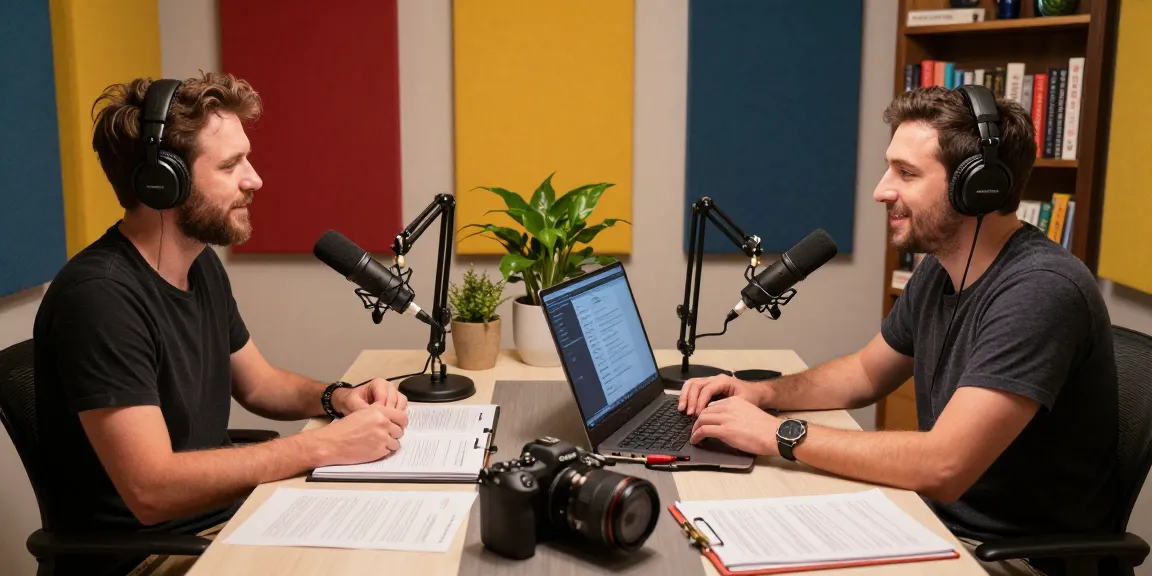
The components of video capture can be broken down into hardware and software. Key hardware elements include cameras, lenses, audio recorders, and lighting systems. Each of these components contributes to the overall quality of the video, with cameras offering varying resolutions and features, lenses affecting depth of field, and audio equipment ensuring sound clarity. Software, on the other hand, plays a critical role in post-production, allowing for editing, mixing, and enhancing the captured content.
Importance of Quality Equipment
Quality equipment significantly influences the final outcome of a video capture project. High-resolution cameras, professional-grade microphones, and effective lighting setups provide richer, clearer, and more visually appealing footage. While budget constraints may limit options, investing in essential gear can elevate the production value, making it worthwhile for both amateur and professional videographers.
Choosing the Right Setup for Video Capture
When it comes to video capture, the setup you choose is instrumental in achieving the desired result. Selecting the appropriate cameras, accessories, and lighting strategies will help streamline the process and enhance the quality of your videos.
Camera Types and Features
There are several types of cameras available, including DSLRs, mirrorless cameras, and camcorders. Each type serves different purposes. DSLRs are versatile and often favored for their image quality and interchangeable lenses, while mirrorless cameras provide compact designs with high-performance capabilities. Camcorders, often preferred for event videography, offer user-friendly controls and extended recording times, making them ideal for longer shoots.
Essential Accessories for Video Capture
In addition to a camera, several accessories are pivotal for successful video capture. Tripods provide stability, ensuring that shots are steady, while gimbals allow for smooth movement during dynamic scenes. External microphones improve audio quality, and reflectors or diffusion kits help in creating the perfect lighting environment for various shots.
Optimal Lighting Strategies
Lighting is arguably one of the most critical factors in video capture. High-quality lighting can transform a mundane scene into a visually striking masterpiece. Natural light is a great resource, but using supplementary lighting setups or softboxes can provide better control over shadows and highlights. Understanding how to position lights to affect moods and tones in your videos is an invaluable skill for any videographer.
Techniques for Effective Video Capture
Once you have the right setup, the next step is mastering effective techniques for video capture. These range from compositional strategies to equipment handling, ensuring both aesthetic and functional qualities in your footage.
Framing and Composition Tips
Framing is essential in creating compelling visuals. Applying principles like the rule of thirds helps in devising balanced and engaging scenes. Experimenting with different angles and perspectives can offer fresh viewpoints, making the video more visually appealing and dynamic. Additionally, maintaining a consistent style throughout the project will create a cohesive viewing experience.
Sound Quality Considerations
High-quality sound is just as crucial as visual quality in video capture. Ambient noise, background chatter, and poor audio recordings can detract from the overall experience. Using external microphones tailored for your specific environments will enhance clarity and richness. It’s also beneficial to conduct sound checks before filming to ensure everything is optimal.
Practical Techniques for Smooth Operation
To achieve smooth operation during recording, practicing camera movements and transitions is vital. Familiarizing yourself with settings will reduce the chances of operational delays. Using manual controls allows for greater creativity with exposure and focus. Regular practice will also help you develop a workflow that expedites your video capture process without compromising quality.
Post-Production in Video Capture
The post-production phase is where captured footage is transformed into a final product. Editing not only shapes the narrative but also enhances visual and audio quality, making it an essential part of the video production process.
Editing Basics to Enhance Videos
Basic editing involves cutting unnecessary content and organizing clips into a coherent sequence. Tools like trimming, splitting, and adding transitions help create smooth narrative flow. Additionally, incorporating text overlays and graphics can provide context and emphasis on key points, enhancing viewer engagement with the content.
Color Grading and Effects
Color grading is used to achieve specific moods and visual aesthetics. Techniques can vary widely, from subtle adjustments to bold alterations that drastically change the look and feel of a video. Utilizing color wheels, curves, and LUTs (lookup tables) allows for creative flexibility, making footage more striking and polished.
Exporting and Sharing Final Projects
Once editing is complete, exporting the video in the correct format for its intended platform is essential. Understanding resolution, aspect ratio, and file size can ensure optimal playback quality. Different social media platforms may have specific requirements; therefore, knowing these specifications will facilitate smoother sharing and enhance audience reach.
FAQs About Video Capture
What equipment is necessary for video capture?
Basic equipment includes a camera, microphone, tripod, and lighting. Optional accessories like gimbals or drones can enhance video quality further.
How can I improve my video capture skills?
Practice regularly, study composition, and analyze professional videos. Joining a videography community can also offer valuable feedback and tips.
What are common mistakes in video capture?
Common mistakes include poor lighting, unfocused shots, and neglecting sound quality. Planning and conducting pre-shoot tests can help avoid these issues.
How important is lighting in video capture?
Lighting is critical in video capture as it impacts the mood and visibility of the scene. Investing in quality lights can dramatically improve your footage.
Can video capture be done with a smartphone?
Yes, smartphones can be excellent tools for video capture. With proper techniques, stabilization, and sound equipment, high-quality videos can be produced.