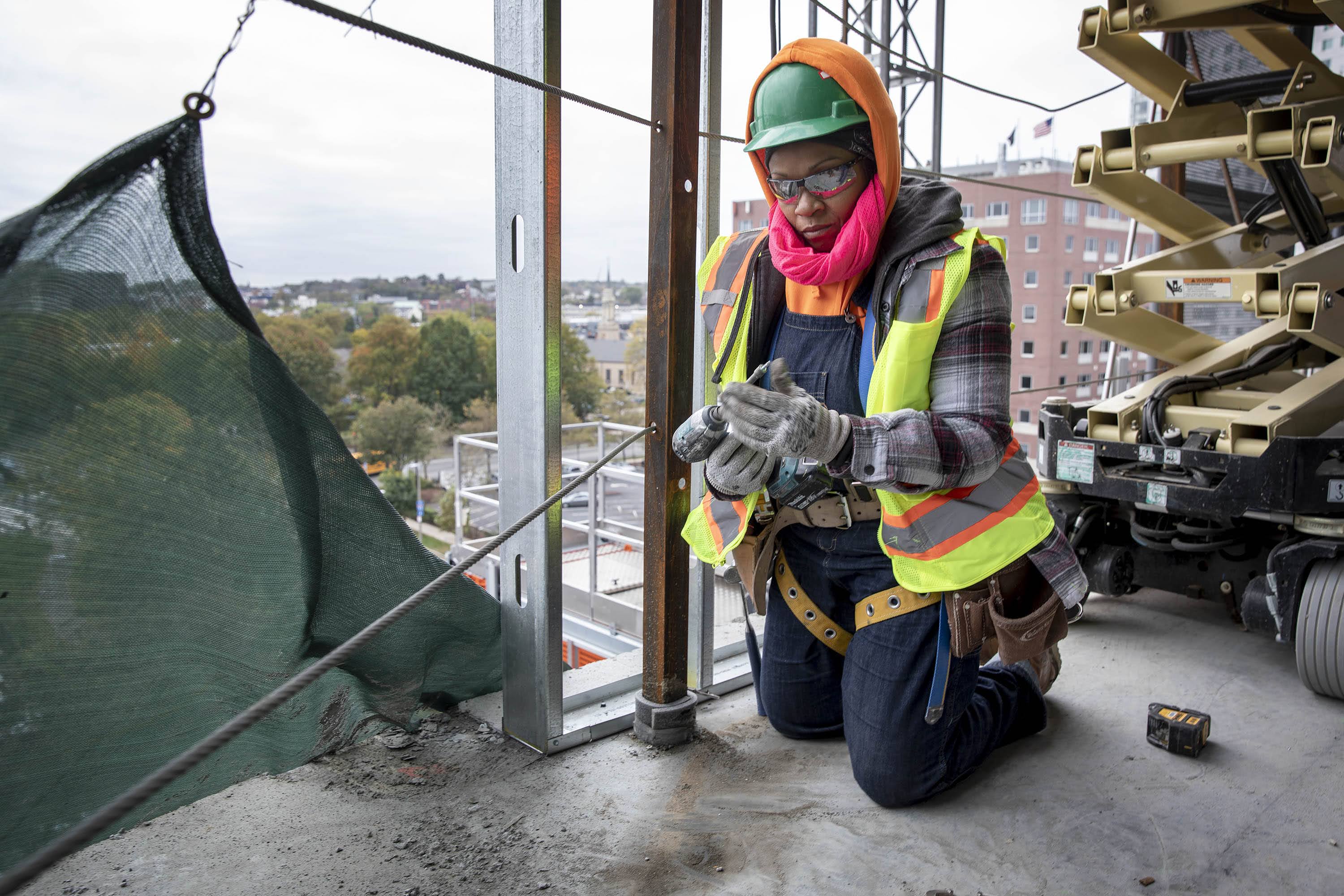
The Role of a New York City Construction Manager
The New York City construction landscape is fast-paced, dynamic, and often challenging. A crucial figure in this environment is the New York City Construction Manager, whose primary role is to oversee construction projects from conception through to completion. This article delves into the multifaceted responsibilities, project management skills, regulatory knowledge, cost management strategies, and evolving trends that shape their role.
Key Responsibilities of a Construction Manager
The responsibilities of a construction manager in New York City are vast and varied. They serve as the primary point of contact between stakeholders, contractors, and clients. Key responsibilities include:
- Project Planning: Establishing project timelines, scope, and budgetary constraints.
- Resource Allocation: Ensuring that equipment, materials, and labor are properly allocated throughout the project lifecycle.
- Quality Control: Overseeing on-site processes to guarantee that construction meets safety, regulatory, and quality standards.
- Risk Management: Identifying potential project risks and developing mitigation strategies to prevent delays or budget overruns.
- Communication: Keeping all team members informed of project developments and changes.
Importance of Project Management Skills
Effective project management is the cornerstone of successful construction projects. A New York City construction manager must possess a strong set of project management skills to navigate complexities and ensure smooth operations. These skills include:
- Time Management: Coordinating multiple tasks and deadlines without compromising quality.
- Problem Solving: Quickly devising solutions to unforeseen issues that arise on the job site.
- Leadership: Leading teams effectively and fostering a collaborative work environment.
- Technical Knowledge: Understanding construction processes, materials, and technologies relevant to the project.
Daily Tasks in NYC Construction
Each day presents unique challenges for a construction manager in New York City. Daily tasks may include:
- Monitoring Progress: Conducting site visits to ensure work complies with plans and timelines.
- Conducting Meetings: Facilitating discussions with subcontractors, architects, and clients to align on project progress.
- Document Management: Reviewing contracts, plans, and project updates to maintain accurate records.
- Safety Oversight: Implementing and monitoring safety protocols to protect workers and comply with regulations.
Understanding NYC Construction Regulations
To navigate the complexities of the New York City construction environment, a construction manager must have a robust understanding of local regulations. These guidelines dictate how construction is conducted and may vary significantly from those in other locations.
Building Codes and Permits
New York City has stringent building codes designed to ensure safety and structural integrity. Construction managers must obtain various permits before commencing any project. This process typically involves:
- Researching Regulations: Understanding the specific building codes that apply to the project type and location.
- Submitting Plans: Working with architects and engineers to prepare and submit necessary designs for approval.
- Permit Acquisition: Navigating the permitting process through relevant city departments.
Safety Standards in Urban Construction
Safety is paramount in construction, especially in a densely populated urban environment like New York City. Construction managers are responsible for ensuring compliance with OSHA (Occupational Safety and Health Administration) regulations. Effective safety management involves:
- Training Workers: Providing comprehensive training for all employees on safety protocols and equipment usage.
- Regular Inspections: Conducting consistent site inspections to identify hazards and rectify them promptly.
- Incident Reporting: Establishing a clear process for reporting and addressing accidents or near misses.
Environmental Regulations Impacting Projects
Environmental concerns play a significant role in NYC construction projects. The construction manager must ensure compliance with New York State’s environmental regulations, focusing on:
- Waste Management: Proper disposal and recycling practices for construction waste.
- Air Quality: Reducing emissions from machinery and implementing dust control measures.
- Site Remediation: Addressing contaminated land before construction can commence.
Cost Management Strategies for Construction Projects
Cost management is a critical aspect of construction management. A New York City construction manager must develop effective strategies to keep projects within budget while maintaining quality.
Budgeting and Financial Planning
Effective budgeting is essential for project success. Construction managers should engage in the following practices:
- Creating Detailed Budgets: Developing comprehensive budgets that account for all labor, materials, permits, and contingency expenses.
- Tracking Spending: Monitoring expenditures against the budget throughout the project.
- Adjusting Budgets: Being flexible and adjusting budgets as project dynamics change.
Negotiating with Contractors and Suppliers
Negotiation is a vital skill for construction managers. By fostering strong relationships with contractors and suppliers, they can achieve better pricing and terms. Effective negotiation tactics include:
- Researching Market Rates: Knowing standard rates to negotiate effectively.
- Building Relationships: Establishing rapport for mutual benefit during negotiations.
- Leveraging Competition: Comparing quotes from different vendors to secure the best deals.
Cost-Saving Techniques in NYC
When managing costs in NYC, construction managers may implement specific strategies, such as:
- Utilizing Technology: Leveraging construction software for efficient project management and tracking.
- Streamlining Operations: Reducing redundancy in processes to improve productivity.
- Scheduling Efficiently: Optimizing work schedules to minimize downtime and labor costs.
Effective Communication in Construction
Effective communication is vital in construction management, ensuring that all parties are aligned and informed throughout the project's lifecycle.
Team Collaboration Techniques
Successful collaboration within teams can improve productivity and morale. Some strategies construction managers can use include:
- Regular Meetings: Conducting daily or weekly briefings to keep everyone on the same page.
- Utilizing Collaboration Tools: Using digital platforms for real-time communication and document sharing.
- Encouraging Feedback: Fostering an environment where team members feel comfortable sharing ideas and concerns.
Managing Client Expectations
Effective client communication is essential for satisfaction and trust. Construction managers should:
- Set Clear Objectives: Discuss project goals and what clients can realistically expect.
- Provide Regular Updates: Keep clients informed about project progress and any changes.
- Address Concerns Promptly: Look into any issues raised by clients immediately to maintain positive relations.
Reports and Documentation Processes
Maintaining accurate documentation is imperative for project tracking and legal compliance. Construction managers should focus on:
- Keeping Detailed Records: Documenting changes, communications, and deliveries meticulously.
- Using Reporting Software: Implementing systems that streamline report generation and sharing.
- Legal Compliance: Ensuring all documentation meets local regulations and industry standards.
Future Trends for New York City Construction Managers
The construction industry is continually evolving, impacted by technology, environmental concerns, and changing regulations. Construction managers must stay updated on these trends to remain effective.
Technology Innovations in Construction Management
Technology is reshaping the construction landscape. Key innovations include:
- Building Information Modeling (BIM): Providing detailed 3D models that improve design accuracy and collaboration.
- Project Management Software: Streamlining processes and enhancing productivity through digital integration.
- Drones: Using drones for site surveys and progress reporting.
Sustainability Practices in Urban Projects
New York City is increasingly prioritizing sustainability in construction. Construction managers should focus on:
- Green Building Materials: Incorporating eco-friendly materials into projects.
- Energy Efficiency: Designing buildings that utilize renewable energy sources.
- Waste Reduction: Implementing strategies that minimize waste during construction.
Emerging Challenges in NYC Construction
While opportunities abound, construction managers must navigate challenges such as:
- Labor Shortages: Finding skilled laborers in a competitive market.
- Regulatory Changes: Staying current with evolving building codes and safety regulations.
- Increased Material Costs: Addressing the volatility of material prices impacting budgets.
Frequently Asked Questions
What qualifications are needed to become a construction manager in NYC?
A bachelor's degree in construction management, civil engineering, or a related field is generally required, along with several years of experience in the industry.
How do construction managers handle project delays?
They assess the cause of the delay, communicate with stakeholders, adjust timelines, and implement strategies to mitigate further delays.
What role does technology play in modern construction management?
Technology enhances efficiency, allows real-time tracking, improves communication, and aids in decision-making through data analytics.
How can construction managers improve team collaboration?
By fostering an open communication culture, utilizing collaborative tools, and conducting regular team meetings to align on goals.
What are some common risks in construction management?
Common risks include budget overruns, scheduling conflicts, material shortages, safety incidents, and regulatory compliance issues.