Understanding the Role of a Videographer
Definition of a Videographer
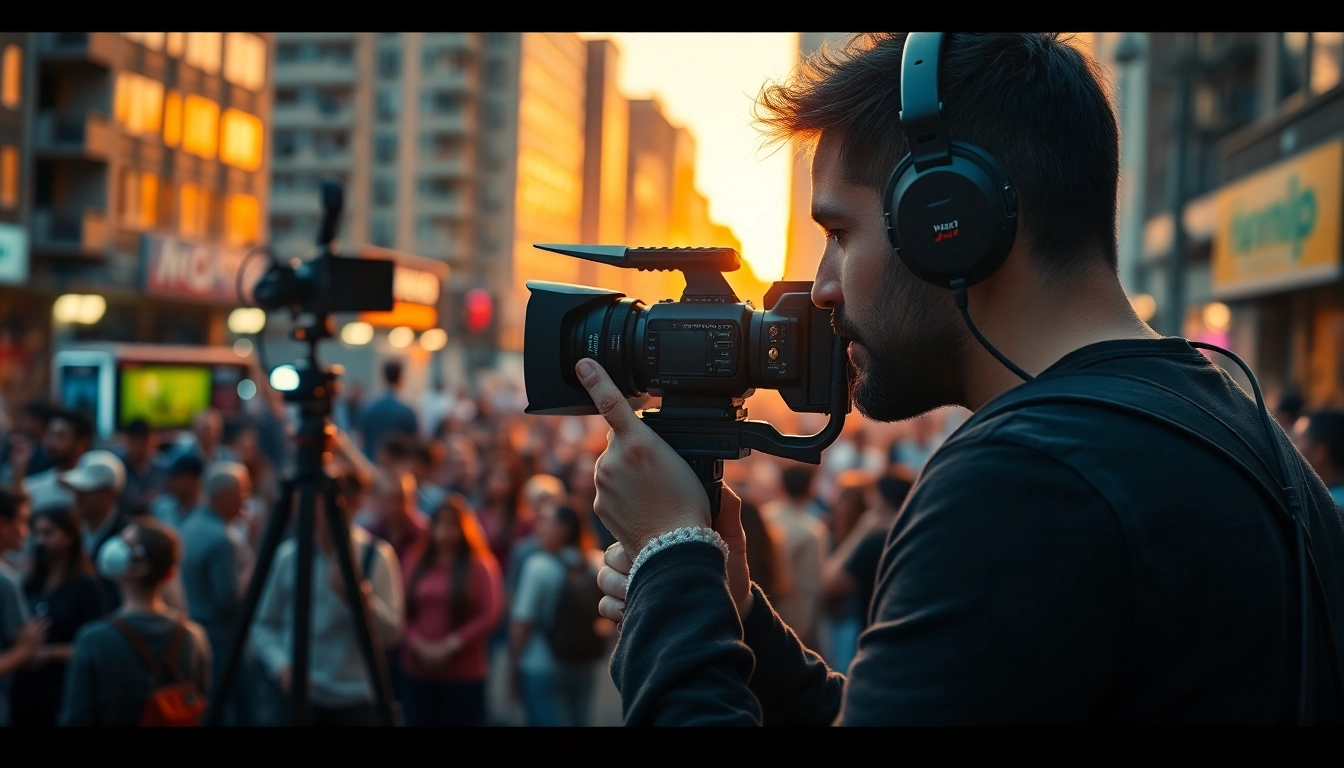
A Videographer is a professional who specializes in capturing, editing, and producing video content. This role bridges various fields including filmmaking, broadcasting, corporate media production, and event documentation. Videographers wield a combination of creative vision and technical skills to tell stories, document happenings, and enhance communication through visual media.
Types of Services Offered by Videographers
Videographers provide a diverse array of services tailored to meet the needs of various clients. These services can be categorized into several key areas:
- Event Videography: Covering significant events such as weddings, graduations, and corporate functions.
- Corporate Videography: Producing video content for internal communications, marketing, training, and promotional materials.
- Documentary Style Videography: Creating in-depth films or videos that explore specific subjects or narratives.
- Promotional Videography: Crafting engaging videos aimed at advertising products or services.
- Live Streaming: Broadcasting events in real time, utilizing platforms such as social media and video conferencing tools.
Key Skills Required for a Videographer
To excel as a videographer, one must possess a unique mix of artistic and technical skills. Some of the essential skills include:
- Technical Proficiency: Understanding camera equipment, lighting, sound recording, and video editing software is crucial.
- Creative Vision: The ability to conceptualize and execute visual narratives that resonate with audiences.
- Attention to Detail: Ensuring high quality in framing, composition, and editing enhances the final product.
- Communication Skills: Effectively collaborating with clients and team members to align on project goals.
- Problem-Solving: Quickly adapting to unexpected challenges during shoots or while editing footage.
The Importance of Hiring a Professional Videographer
Benefits of Professional Videographer Services
Engaging a professional videographer brings numerous advantages that can significantly impact the outcome of your projects. These benefits include:
- High-Quality Content: Professionals utilize advanced equipment and techniques to ensure high production values, making the final video polished and engaging.
- Expertise and Experience: Professional videographers possess the knowledge necessary to capture and produce videos that effectively convey your message.
- Time-Saving: Hiring a professional allows you to focus on other aspects of your event or business while leaving the technicalities to an expert.
- Creative Input: Professionals can provide creative insights that enhance the storytelling aspect of your video.
- Post-Production Services: Experts in video editing ensure that the final product is cohesive, engaging, and meets your project goals.
Common Uses for Videographer Expertise
The services of a videographer are invaluable across various sectors, including:
- Weddings: Capturing the essence of love stories through carefully crafted wedding videos.
- Corporate Events: Documenting conferences, seminars, and team-building events to create lasting memories and promotional content.
- Marketing Campaigns: Developing engaging promotional videos that draw potential clients’ attention to products and services.
- Education: Producing instructional videos that enhance learning experiences for educational institutions.
How a Videographer Enhances Your Event
A skilled videographer can elevate any event by creating a visual story that encapsulates the emotions and highlights of the day. Here's how:
- Capturing Key Moments: From heartfelt vows at a wedding to critical presentations at a conference, videographers ensure these cherished moments are preserved.
- Creating a Narrative: Professionals are adept at weaving together footage to create compelling stories that resonate with viewers long after the event is over.
- Consistent Style: A videographer can develop a signature style that differentiates your event footage from others, making it memorable.
- Creating Shareable Content: With the rise of social media, videographers can provide edited clips tailored for sharing across various platforms, enhancing engagement.
Choosing the Right Videographer for Your Needs
Where to Find Qualified Videographers
When searching for a qualified videographer, several avenues can lead you to the right professional:
- Online Platforms: Websites dedicated to connecting clients with creative professionals can be a great resource.
- Social Media: Platforms like Instagram and Facebook often showcase portfolios and testimonials from potential videographers.
- Referrals: Word-of-mouth recommendations from friends, family, or industry contacts can lead you to trusted professionals.
- Local Business Directories: Searching through local listings can give insights into videographers available in your area.
What to Look for in a Videographer Portfolio
A potential videographer's portfolio is a window into their capabilities and style. Key factors to consider include:
- Quality of Work: Assess the overall production quality and artistic approach evident in their samples.
- Diversity of Projects: Look for a range of work that demonstrates versatility in handling different scenes, events, and clients.
- Storytelling Ability: Evaluate how well the video tells a story or conveys a message, as effective storytelling is a hallmark of good videography.
- Editing Skills: Notice how well the clips are edited together; smooth transitions and coherent pacing are critical for engaging videos.
Questions to Ask Before Hiring a Videographer
To ensure you've chosen the right videographer, consider asking the following questions during your initial conversations:
- What is your experience in videography? Understanding their background can provide insight into their expertise.
- Can you provide references or testimonials? Feedback from past clients can reveal their reliability and quality of work.
- What is your creative process like? Knowing how they approach projects helps gauge whether their method aligns with your vision.
- What equipment do you use? Professional-grade equipment often results in better quality footage, making this an important question.
- How do you handle post-production? Understanding their editing style and timeline can help set expectations for deliverables.
Tips for Working Effectively with Your Videographer
Preparing for Your Videographer's Arrival
Effective collaboration begins with good preparation. Here are some tips:
- Communicate Your Schedule: Share the event timeline to help the videographer plan their shots accordingly.
- Discuss Expectations: Clearly outline what you want from the final video, including style, theme, and specific moments to capture.
- Site Visits: If possible, conduct a pre-event walkthrough of the venue to identify ideal shooting locations and potential logistical challenges.
- Prepare Interviews: If interviews or personal messages are part of the plan, prep your guests on what to expect for smoother footage gathering.
Communicating Your Vision to the Videographer
Clear communication is essential to ensure your vision translates into the final video:
- Share Examples: Providing reference videos or styles you like can help the videographer understand your aesthetic preferences.
- Be Open to Suggestions: Professionals may have valuable input or ideas that can enhance your vision, so be receptive to their suggestions.
- Discuss Tone and Mood: Talk about the emotions you want to portray in the video, which can influence how the videographer approaches filming.
Post-Event Collaboration with Your Videographer
After the event, collaboration continues, particularly during post-production:
- Reviewing Draft Edits: Be the first to review the drafts of your video and provide concise feedback to ensure it aligns with your vision.
- Requesting Revisions: Don't hesitate to ask for changes within reason, as this is your final product and should meet your standards.
- Promotional Use: Discuss how you plan to use the video to tailor the final edits for social media sharing or other platforms.
Future Trends in Videography
Emerging Technology for Videographers
As technology progresses, videography continuously evolves. Key trends include:
- 360-Degree Video: This immersive format allows viewers to interact with the video environment, enhancing engagement and experience.
- Drones: Aerial videography has become more accessible, offering stunning perspectives on events and landscapes.
- AI in Editing: Artificial intelligence is streamlining the editing process, reducing time and enhancing overall video quality.
- Virtual Reality (VR): VR content is gaining traction, providing unique storytelling methods that transport viewers into the narrative.
Shifts in Client Expectations for Videographer Services
As audiences become more discerning and the market grows competitive, client expectations shift. Emerging trends include:
- Customization: Clients increasingly demand personalized services tailored to their specific needs and preferences.
- Quicker Turnaround: With the rise of social media, clients expect faster delivery of high-quality video content.
- Transparency in Pricing: Clear pricing structures and detailed proposals have become critical factors in hiring decisions.
How Social Media Influences Videographer Work
Social media platforms have revolutionized videography, affecting how videographers operate:
- Short Form Content: The popularity of platforms like Instagram and TikTok has led to a focus on short-form videos that engage audiences quickly.
- Influencer Collaborations: Videographers often work with influencers to create compelling content that reaches wider audiences.
- Live Streaming: Real-time engagement has become a cornerstone for many events, propelling the need for videographers who can handle live broadcasts effectively.