Understanding the Basics of a Steel Fabrication Shop
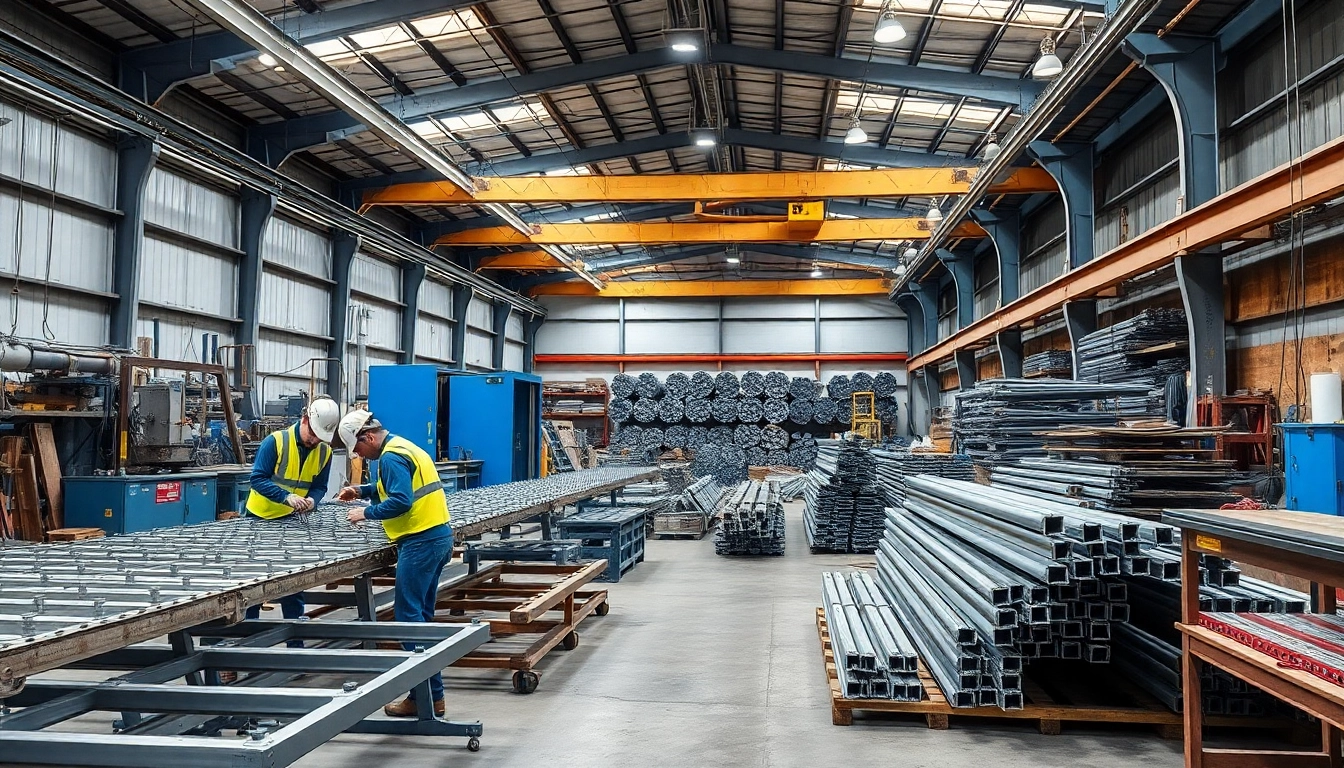
A steel fabrication shop is essential in various industries where metal components are integral to structures and machinery. Here, raw steel materials are manipulated through processes such as cutting, bending, and assembling to create finished products ready for installation or further manufacturing. Understanding the workings of a steel fabrication shop can enhance the efficiency and quality of the products being manufactured. In this section, we delve into the critical functions, safety standards, and the materials and tools that form the backbone of these operations.
Key Functions of a Steel Fabrication Shop
The primary functions of a steel fabrication shop include:
- Design and Prototyping: Developing initial designs and prototypes to ensure that specifications meet the client's requirements.
- Cutting and Shaping: Utilizing various techniques such as plasma cutting, laser cutting, and water jet cutting to shape steel components accurately.
- Welding and Assembly: Joining pieces through welding methods to create robust structures, utilizing various techniques like MIG, TIG, or stick welding.
- Finishing: Applying protective coatings or treatments to enhance the durability and aesthetics of steel products.
- Quality Assurance: Testing and ensuring that all components meet industry standards and customer specifications.
The Importance of Safety Standards
Safety is paramount in a steel fabrication shop; the presence of heavy machinery and sharp tools increases the risk of accidents. Establishing safety standards helps protect staff and ensure smooth operations. Compliance with OSHA (Occupational Safety and Health Administration) guidelines is essential. Key safety measures include:
- Personal Protective Equipment (PPE): Mandatory use of safety glasses, gloves, helmets, and appropriate clothing.
- Safety Training: Regular training sessions to keep employees informed about workplace hazards and safe practices.
- Equipment Safety Protocols: Proper maintenance and safety checks on machinery to prevent malfunctions.
- Emergency Procedures: Having clear and well-communicated emergency protocols in case of an incident.
Materials and Tools Used in Steel Fabrication
Materials chosen for fabrication significantly influence the quality of the final product. Common materials include:
- Structural Steel: Used for beams and columns in construction projects.
- Stainless Steel: Known for its corrosion resistance, ideal for food processing and medical applications.
- Aluminum: Lightweight and resistant to rust, suitable for various applications from transport to architecture.
Additionally, the tools and machinery used—such as shears, benders, grinders, and welding machines—are essential for executing fabrication processes accurately and efficiently.
Identifying Challenges in Steel Fabrication
Despite advancements in technology and processes, steel fabrication shops face various challenges that can hinder productivity and quality. Recognizing these challenges allows for better strategies to overcome them.
Common Issues Faced in the Fabrication Process
Typical issues in the fabrication process include:
- Material Defects: Variability in raw materials can result in defects in the final products.
- Technical Errors: Miscalculations or machine malfunctions lead to inaccuracies in cutting or welding.
- Time Constraints: Tight project deadlines can pressure teams to prioritize speed over quality, resulting in mistakes.
Assessing Equipment Maintenance Needs
Regular maintenance of equipment is crucial for avoiding downtime and maximizing efficiency. A proactive maintenance schedule includes:
- Daily Inspections: Checking vital components to catch issues early.
- Scheduled Servicing: Performing in-depth maintenance at specified intervals.
Failure to maintain machinery could result in catastrophic breakdowns that can halt production and pose safety risks.
Dealing with Workforce Management
Effective management of skilled labor is critical in a steel fabrication shop. Challenges include:
- Skills Gap: Finding workers with the right skills and experience can be difficult.
- Retention Rates: High turnover can disrupt operations and increase training costs.
Employing strategic hiring practices, providing ongoing training, and fostering a positive workplace culture are vital to combat these issues.
Best Practices for Efficient Operations
Implementing best practices can significantly enhance the efficiency of operations within a steel fabrication shop. Below are several strategies that have been proven to yield positive results.
Streamlining Workflows in Your Steel Fabrication Shop
Efficient workflows are essential for maintaining productivity. Techniques include:
- Layout Optimization: Designing the shop layout to minimize unnecessary movement and material handling.
- Standard Operating Procedures (SOPs): Developing SOPs for every process to ensure consistency and reduce errors.
Implementing Lean Manufacturing Techniques
Lean manufacturing principles focus on reducing waste while maximizing productivity. Techniques like Just-In-Time (JIT) inventory and continuous improvement initiatives (Kaizen) can significantly enhance operational efficiency.
Quality Control Mechanisms
Establishing robust quality control measures is critical to ensuring that every product meets required specifications. Implementing systematic inspections, adhering to ISO standards, and continuous quality training for employees can enhance the overall quality of output.
Advanced Techniques in Steel Fabrication
As technology continues to advance, steel fabrication shops must adapt by incorporating new techniques and tools. Here are some of the most noteworthy advancements in the industry.
Utilizing CNC Machining for Precision
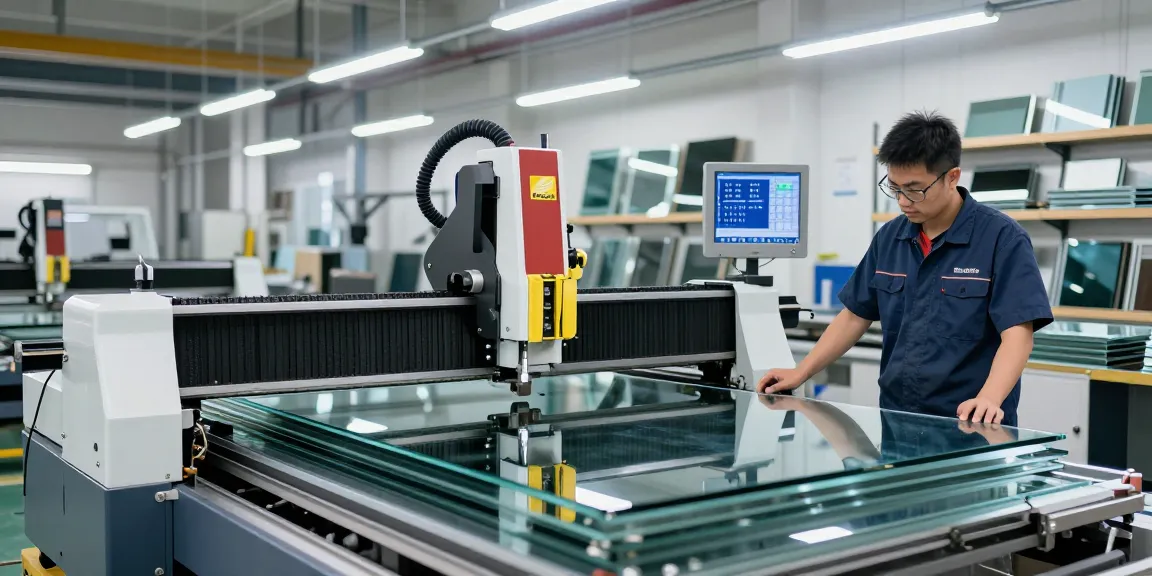
Computer Numerical Control (CNC) machining allows for unprecedented precision in cutting and shaping materials. This technology enables the production of complex geometries with excellent repeatability, reducing the likelihood of human error and wasted materials.
Innovations in Welding Technologies
Modern welding techniques like robotic welding and advanced gas-shielded processes provide enhanced control and consistent results. These innovations significantly reduce the time and labor costs associated with traditional welding methods.
Adopting Automation for Improved Productivity
Automation tools can streamline various tasks from loading materials to assembly processes. Implementing automated systems not only boosts productivity but also reduces the strain on the workforce, allowing them to focus on more skilled tasks.
Measuring Success: Metrics for Your Steel Fabrication Shop
To ensure ongoing success, steel fabrication shops must assess their performance through various metrics. Evaluating these metrics will provide insights into operational efficiency and areas needing improvement.
Key Performance Indicators to Track
Establishing Key Performance Indicators (KPIs) is essential in evaluating the effectiveness and efficiency of a steel fabrication shop. Common KPIs include:
- Production Rate: Measuring the amount of product output over time.
- Scrap Rate: Monitoring the percentage of materials wasted during production to identify inefficiencies.
- Downtime: Evaluating the amount of time machinery is not operational due to maintenance or other issues.
Assessing Customer Satisfaction and Feedback
Customer satisfaction is a critical metric as it directly impacts sales and growth opportunities. Collecting feedback through surveys, direct communication, and product performance assessments can highlight areas for improvement.
Continuous Improvement Strategies
The industry is ever-evolving, and so should your processes and practices. Implementing a culture of continuous improvement, where feedback is acted upon, can lead to significant advances in efficiency and quality. Emphasizing training, innovation, and adaptability ensures that your steel fabrication shop remains competitive in a changing market.