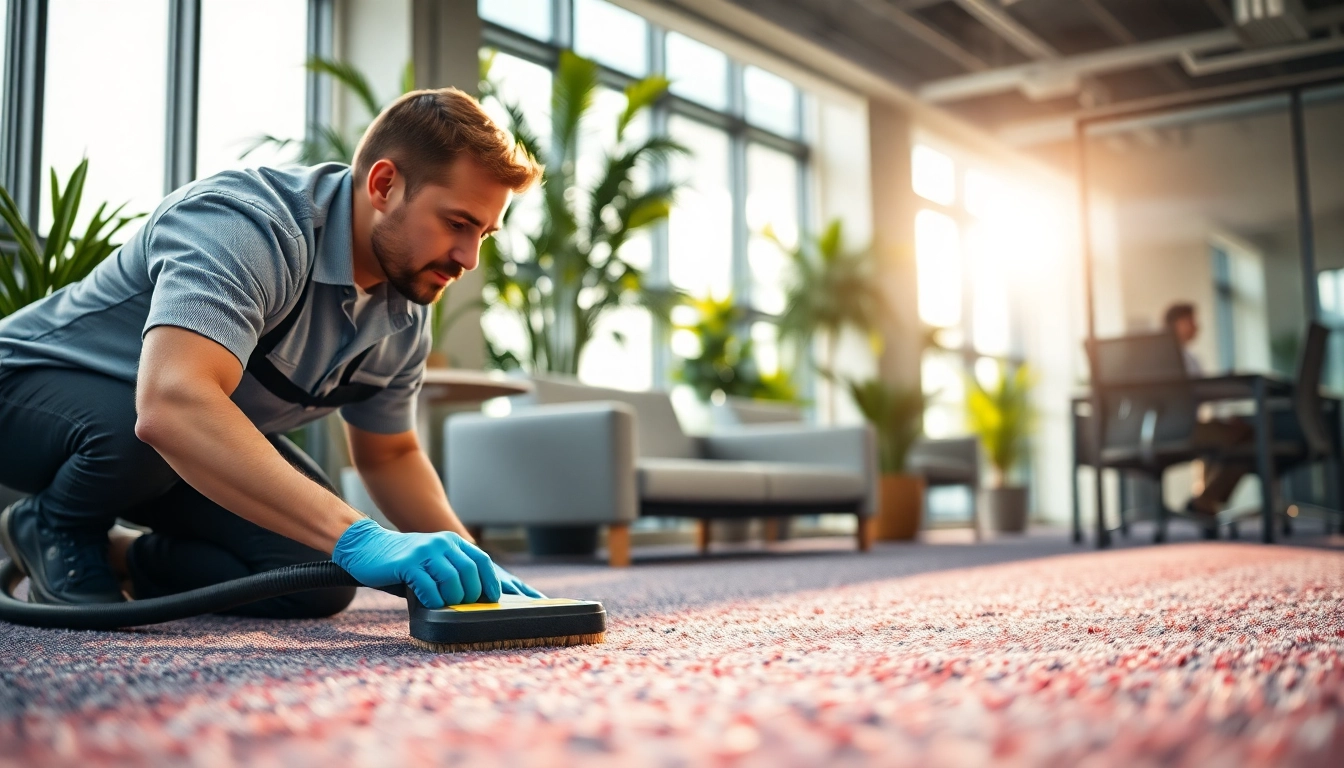
Understanding Commercial Carpet Cleaning
Carpets in commercial settings often bear the brunt of high foot traffic, spilled drinks, and even accidental stains. Thus, regular commercial carpet cleaning is crucial not just for aesthetic appeal but for prolonging the life of the carpets and maintaining a hygienic environment. Let's delve deeper into various facets of commercial carpet cleaning.
Importance of Regular Cleaning
Regular cleaning of carpets in commercial spaces serves multiple functions. From boosting the overall image of a business to preventing health hazards, maintaining clean carpets is imperative. Dirt, allergens, and spills not only make carpets look dingy but can also pose risks to employee health and well-being. Frequent cleaning removes debris and allergens, thus contributing to better indoor air quality and possibly reducing the frequency of employee sick days.
Types of Commercial Carpets
Understanding the type of carpet in your commercial space is essential for choosing the right cleaning method. Commercial carpets can vary widely in material, fiber type, and construction. Common materials include nylon, polyester, and olefin, each possessing unique properties that affect their cleaning requirements. For example, nylon carpets are resilient but can stain easily; thus, proper cleaning techniques are crucial. Similarly, loop pile carpets may require different care than cut pile carpets, affecting your overall cleaning approach.
Choosing the Right Cleaning Method
There are several cleaning methods available for commercial carpets, including hot water extraction, encapsulation, and bonnet cleaning. Each method has distinct advantages and is suited for different situations. Hot water extraction is highly effective for deep-cleaning heavily soiled carpets, while encapsulation is often seen as a low-moisture method suitable for light cleaning and quick drying. Understanding the pros and cons of various methods can help in selecting the most effective cleaning strategy.
Preparing for Carpet Cleaning
Pretreatment Processes
Before any cleaning process begins, pretreatment is essential. This process involves applying specialized solutions that can break down dirt and stains. Spot-cleaning specific areas may also be necessary, especially for high-traffic zones. Identifying the types of stains present can help choose the most effective pretreatment solutions, ensuring a more comprehensive cleaning job.
Gathering Necessary Tools
Having the right tools on hand can make a significant difference in the effectiveness of your cleaning efforts. Essential tools include vacuum cleaners with HEPA filters, carpet extractors, spot-cleaning machines, and various cleaning solutions tailored for commercial use. Investing in quality equipment can facilitate better results and reduce the frequency of professional cleaning appointments.
Setting Up Your Space
Preparation of the space is critical to a successful cleaning operation. Moving furniture and other obstacles can provide easier access to all carpeted areas. Also, ensuring adequate ventilation can speed up the drying process post-cleaning. Establishing a clear plan for cleaning sequences can help maximize efficiency and minimize disruption in busy commercial environments.
Common Challenges in Commercial Carpet Cleaning
Stains and Spots Treatment
One of the most significant challenges in commercial carpet cleaning is addressing various stains and spots. Different stain types require different treatment solutions. For instance, protein stains from food may require enzymatic cleaners, while dye stains may need specialized solvents. Developing an understanding of appropriate treatments can significantly improve cleaning efficacy.
Odor Removal Techniques
Unpleasant odors can become entrenched in carpets, becoming a real concern in commercial spaces. Techniques for odor removal vary, with options including deep cleaning, utilizing deodorizing agents, or applying enzyme-based solutions to eliminate the source of odors. Regular cleaning can help diminish lingering smells before they become a persistent issue.
Dealing with High Foot Traffic
High foot traffic areas require special attention in terms of care and cleaning frequency. These zones may accumulate more dirt and experience faster wear and tear. Implementing a proactive maintenance schedule for these areas can help mitigate damage and maintain appearance. Utilizing entrance mats can also reduce the amount of dirt transferred onto carpets, shielding them from premature degradation.
Best Practices for Maintaining Clean Carpets
Regular Maintenance Schedules
Establishing a regular maintenance schedule is vital for the longevity of commercial carpets. Periodic deep cleaning, routine vacuuming, and immediate attention to spills can reduce the buildup of dirt and contaminants. A well-structured schedule helps manage cleaning demands efficiently and can improve overall carpet appearance and lifespan.
Using Appropriate Cleaning Products
Choosing the right cleaning products can make or break the cleaning process. Opt for solutions that are compatible with specific carpet materials, Dyes, and fiber types to prevent damage. Eco-friendly products are becoming more popular, providing effective cleaning while being safe for the environment and minimizing harmful exposure to employees.
Employee Training and Education
Staff education plays a crucial role in maintaining clean carpets. Training employees on best practices for carpet care, including immediate spot treatment and preventive maintenance techniques, can lead to fewer service interventions. Providing ongoing education as products and techniques evolve can keep your teams updated and engaged in maintaining a clean environment.
Measuring Success in Carpet Cleaning
Assessing Carpet Condition
Evaluating the condition of carpets post-cleaning is essential for measuring success. Look for visual signs such as color restoration and the absence of stains, as well as tactile feedback regarding texture and feel. A thorough assessment can inform future cleaning tactics, ensuring that the carpets are kept in optimal condition over time.
Feedback and Continuous Improvement
Gathering feedback from staff and analyzing cleaning results can inform a continuous improvement process. Conducting surveys or open discussions can help identify areas for adjustment and enhancement in cleaning practices. Utilizing metrics, such as time taken for cleaning and frequency of stains, can provide valuable insights into overall carpet maintenance effectiveness.
Cost-Benefit Analysis of Professional Services
Understanding the cost-benefit ratio of using professional carpet cleaning services against in-house cleaning can guide budget allocation. While professional services require financial investment, the advantages often include better cleaning results, use of advanced equipment, and saved labor costs. Conducting a thorough analysis can illuminate the most effective path for carpet maintenance.
FAQs About Commercial Carpet Cleaning
What is the best frequency for commercial carpet cleaning?
The cleaning frequency depends on foot traffic. Generally, high-traffic areas may require cleaning every 6 months, while lower-traffic spaces can be cleaned annually or biannually.
Can I use regular household cleaners on commercial carpets?
No, household cleaners may be too harsh and can damage commercial carpets. It’s best to use products specifically designed for commercial carpet cleaning to avoid harm.
How can I prevent my carpets from getting stained?
Using entrance mats, implementing a no-shoe policy, and responding to spills quickly can help prevent staining and protect carpet longevity.
Are there eco-friendly options for carpet cleaning?
Yes, many companies offer eco-friendly carpet cleaning products that are safe for both the environment and human health, all while effectively cleaning carpets.
How do I know if I need professional carpet cleaning?
Signs include persistent odors, visible stains, or a significant build-up of dirt and allergens that household cleaning can’t effectively address.