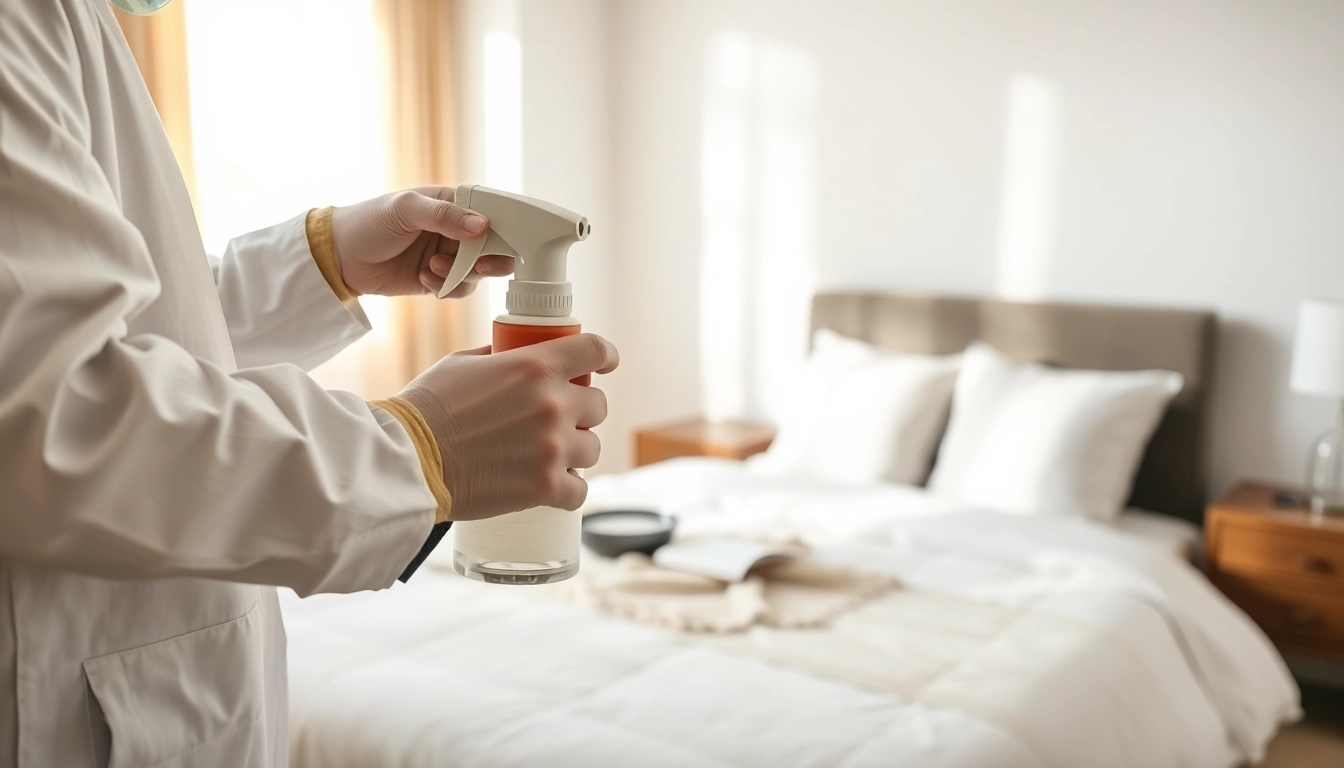
Understanding Bed Bugs
Bed bugs are persistent pests known for their ability to inflict discomfort through bites while they feed on human blood. Their presence can lead to both physical discomfort and psychological stress, prompting the need for effective bed bug treatment. It's essential to understand these pests, including their biology, habitat, and the signs of infestation, to formulate effective eradication strategies.
What are Bed Bugs?
Bed bugs (Cimex lectularius) are small, oval-shaped insects that range in color from brown to reddish-brown. Adult bed bugs measure approximately 5-7 mm in length, roughly the size of an apple seed. They are nocturnal creatures that thrive in warm environments and are often found in and around beds, couches, and other furniture where people rest or spend significant time. Their reproductive cycle is rapid, allowing infestations to grow quickly if left untreated.
Signs of Infestation
Identifying a bed bug infestation early is crucial. Look for the following signs:
- Bites on the skin: These often appear in clusters or rows and can cause discomfort or allergic reactions.
- Dark spots: Small, dark stains on mattresses and linens from bed bug excrement.
- Eggs and shed skins: Bed bug eggs are tiny and pearly white, while shed skins can be found near their harborage areas.
- Live bugs: Adult bed bugs can occasionally be seen crawling in their hiding spots.
Health Risks Associated with Bed Bugs
While bed bugs are not known to transmit diseases, their bites can lead to several health issues. Many individuals develop allergic reactions to the bites, resulting in itching, inflammation, and secondary infections due to scratching. Sleep disturbances are also common among those infested, leading to anxiety, insomnia, and increased stress. The psychological toll of having bed bugs can be significant, contributing to feelings of shame or distress.
Preparing for Bed Bug Treatment
Effective bed bug treatment requires proper preparation. This means identifying affected areas, cleaning thoroughly, and gathering necessary tools to facilitate the eradication process.
Identifying Affected Areas
Start by inspecting your living space carefully. Bed bugs prefer to hide in tight, dark spots and can be found in various locations, including:
- Mattresses and box springs
- Bed frames and headboards
- Couches and upholstered furniture
- Wall crevices and baseboards
- Behind electrical outlets and picture frames
Look for bites on your body after sleeping, which can indicate where the bugs might be hiding. Inspecting luggage, clothing, and second-hand items before bringing them into your home is also crucial.
Cleaning and Decluttering
Before starting treatment, declutter your space to eliminate hiding spots for bed bugs. Keep the following tips in mind:
- Vacuum carpets, floors, and upholstery thoroughly, disposing of the vacuum bag immediately.
- Wash all bedding, linens, and clothing in hot water and dry them on a high setting to kill any hidden bugs or eggs.
- Seal items in plastic bags to prevent re-infestation during treatment.
Gathering Necessary Tools
Preparation also includes having the right tools. This can include:
- Protective clothing to avoid bites during treatment
- Vacuum cleaners with attachments
- Sprays and chemical agents recommended for bed bug treatment
- Additional tools such as steamers or bed bug monitors
Methods of Bed Bug Treatment
Numerous bed bug treatment methods exist, each varying in effectiveness and application. Understanding these methods can help you choose the best option for your situation.
Chemical Treatments Explained
Chemical treatments involve the use of pesticides specifically formulated to eradicate bed bugs. These can be sprayed or dusted in areas where bed bugs are known to reside. Popular chemicals include:
- Pyrethroids: Synthetic chemicals that are widely used against bed bugs but may face resistance.
- Insect growth regulators (IGRs): Disrupt the life cycle of bed bugs, preventing them from maturing into adults.
- Neonicotinoids: Simulate nicotine to attack the nervous system of bed bugs, effectively killing them.
It's essential to follow the manufacturer's instructions carefully and take safety precautions, as misuse can render these treatments ineffective.
Heat Treatments Overview
Heat treatment is an increasingly popular method for bed bug eradication. Elevated temperatures between 120°F to 140°F can kill all life stages of bed bugs within minutes. This method involves:
- Using specialized heating equipment to raise the temperature in infested areas.
- Ensuring all materials (furniture, electronics, etc.) are safe to expose to high temperatures.
Heat treatment is environmentally friendly and effective, but it may require professional assistance to achieve optimal results.
Integrated Pest Management Tactics
Integrated pest management (IPM) combines multiple methods and strategies for long-term bed bug control. Components include:
- Monitoring: Regular checks and traps to determine the extent of an infestation.
- Prevention: Keeping living areas clean and clutter-free to reduce potential hiding spots.
- Combination of treatments: Using both chemical and non-chemical methods in tandem for greater effectiveness.
This holistic approach tends to be more sustainable and reduces reliance on chemical treatments alone.
After the Treatment Process
Post-treatment efforts are vital in ensuring the complete eradication of bed bugs and preventing further infestations. Key strategies include monitoring for success and implementing preventive measures.
Monitoring for Success
After treatment, continue to monitor your space for any signs of bed bugs. Regular checks involve:
- Inspecting clothing, bedding, and furniture for new bites or signs of live bugs.
- Using bed bug monitors and traps to help detect future activity.
Ongoing vigilance ensures that if any bed bugs do survive the initial treatment, they can be dealt with promptly.
Preventive Measures to Take
Prevention is key in avoiding a new infestation. Adopt these measures:
- Use mattress and box spring encasements that are specifically designed for bed bug prevention.
- Regularly vacuum and wash bedding and clothes, especially after travel.
- Be cautious when acquiring second-hand furniture and inspect for signs of infestation thoroughly.
By maintaining cleanliness and employing protective measures, you can significantly reduce the likelihood of future infestations.
When to Seek Professional Help
If the infestation persists despite your best efforts, it may be time to enlist professional help. Indicators that you should consider professional pest control services include:
- Recurrent bites after treatment.
- Finding bed bugs or their shed skins after monitoring.
- A large-scale infestation that is overwhelming to manage on your own.
Experts can employ advanced methodologies and equipment for complete eradication, thus offering peace of mind.
Frequently Asked Questions (FAQs)
What is the average cost of bed bug treatment?
The average cost can range from $300 to $1,500, depending on the severity of the infestation and the treatment methods used.
How long does bed bug treatment take?
The treatment process can take from a few hours to several days, particularly for heat treatments. Follow-up monitoring is also advisable.
Are bed bugs resistant to treatments?
Yes, some bed bugs have shown resistance to certain pesticides. Selecting the right treatment is essential for effective management.
How can I prevent bed bugs in my home?
Regular cleaning, using protective covers, and being cautious with second-hand furniture can help prevent infestations effectively.
Can I treat bed bugs myself?
While DIY methods exist, professional treatments often prove more effective, particularly for severe infestations and in ensuring safety.