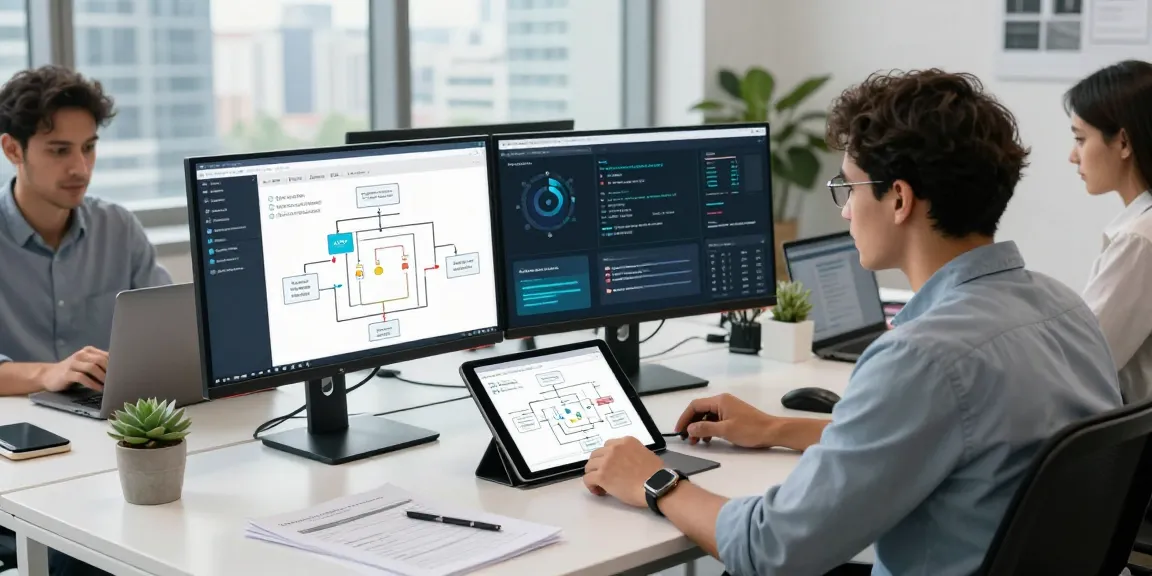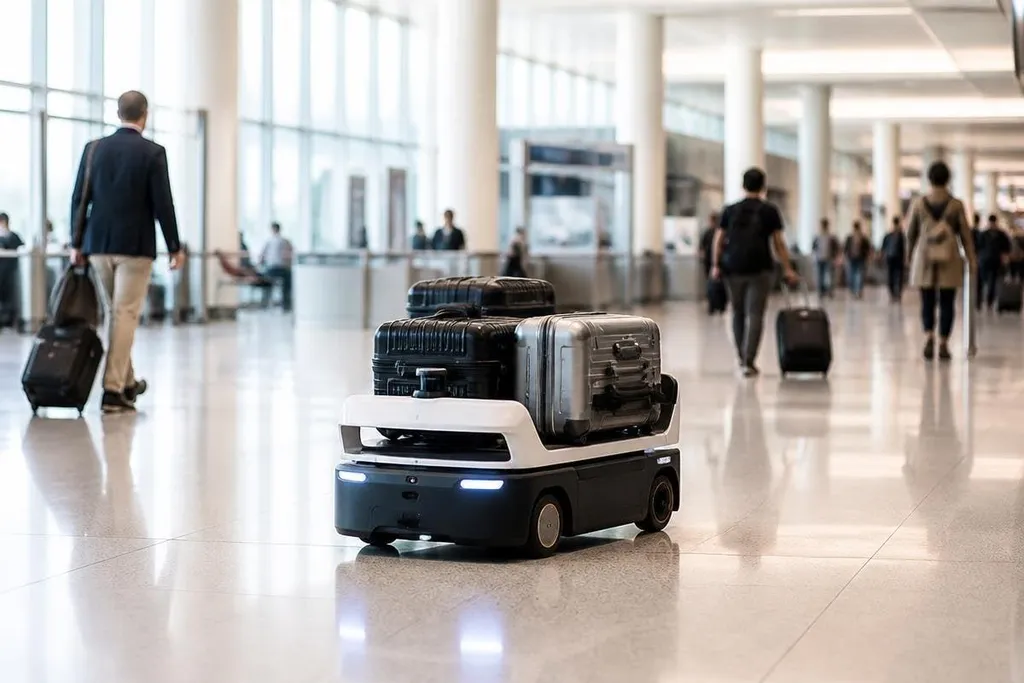
An airport robot earns its place by moving bags, cleaning floors, or guiding passengers without adding work for staff. The next wave will face a simple test: can it repeat that job safely through crowded terminals, changing routes, and long operating hours?
- Useful work: A robot needs a named task, such as baggage transport or floor cleaning.
- Proof that matters: Buyers should ask for payload, runtime, docking time, and safety data.
- The open gap: A smooth trial does not show how the system handles a full terminal.
Start with the airport task
Airport robots may look alike from a distance, but their jobs place different demands on the hardware.
For baggage transport, the robot needs space for its load, accurate positioning, and a way to stop when people cross its path. A cleaning robot needs reliable floor sensing and enough battery time for its assigned zone.
Passenger-facing robots have another problem. They must read signs, find routes, and communicate clearly when a traveler asks for help. A screen with a map may work in a quiet test area, yet give poor directions when gates change or crowds block the usual route.
That makes the task more useful than the robot’s shape. Buyers should name the job, the area, the shift length, and the staff handoff before they compare machines.
The hardware has to fit the terminal
Airports mix polished floors, lifts, ramps, glass walls, narrow service doors, and busy walkways. A robot that uses LiDAR, a sensor that measures distance with laser pulses, must still keep a safe path when people and carts move around it.
The same check applies to charging. The machine may return to a dock on its own, but the dock still needs a clear location, power, and a plan for faults. If staff must move the robot by hand after each error, the system has shifted work rather than removed it.
Payload matters too. A machine rated for a light load may suit documents or small supplies, but not baggage containers. Ask for the rated payload, turning space, lift access, and the result when the load changes.
The trial needs hard measures
A buyer should ask for records from the actual task, not a short video in an empty terminal. Useful records include completed trips, human interventions, stopped runs, battery swaps, and time spent waiting for a clear route.
Safety data belongs beside those figures. Ask where the emergency stop sits, how the robot detects a person, and what happens after a sensor fault. The answer should describe the machine’s action in plain steps.
A safety claim means more when a report names the airport, machine, test date, and task. Airport robotics reporting from Robot24.com can place those details beside the public demo, so you can see what held up before the robot reaches the service door.
A good trial also tests the handoff between robot and staff. If a robot carries supplies to a service door, someone must know when the load arrives, how to open the compartment, and what to do when the route is blocked. That process should be measured as part of the task.
What remains unproven
The hardest part is repeat work in a changing terminal. A robot may handle one route well and still struggle when a gate closes, a cleaning crew blocks a corridor, or a passenger stops directly in front of it.
Remote help can cover some failures, but the buyer needs the staffing cost. Count how many robots one operator can watch, how long a remote fix takes, and how often a person must visit the machine.
I'd wait for a trial report that includes failed runs and staff interventions before treating a polished airport demo as buying evidence.
A buyer’s checklist
Use these questions before approving a purchase:
- Name the job: What exact task will the robot repeat?
- Set the route: Which terminal areas, doors, lifts, and floor types must it handle?
- Measure the load: What payload does the work require, and how often does it change?
- Count human help: How many stops need a staff member or remote operator?
- Check recovery: What happens after a blocked route, low battery, or sensor fault?
- Price the full setup: Include docks, software, training, repairs, and staff time.
The next airport robots should be judged by completed jobs, recovery records, and the work left for people. Until buyers have those numbers from live terminals, the useful question is not how polished the demo looks, but how many trips the robot finishes without help.