Introduction to Saltwater Fly Fishing
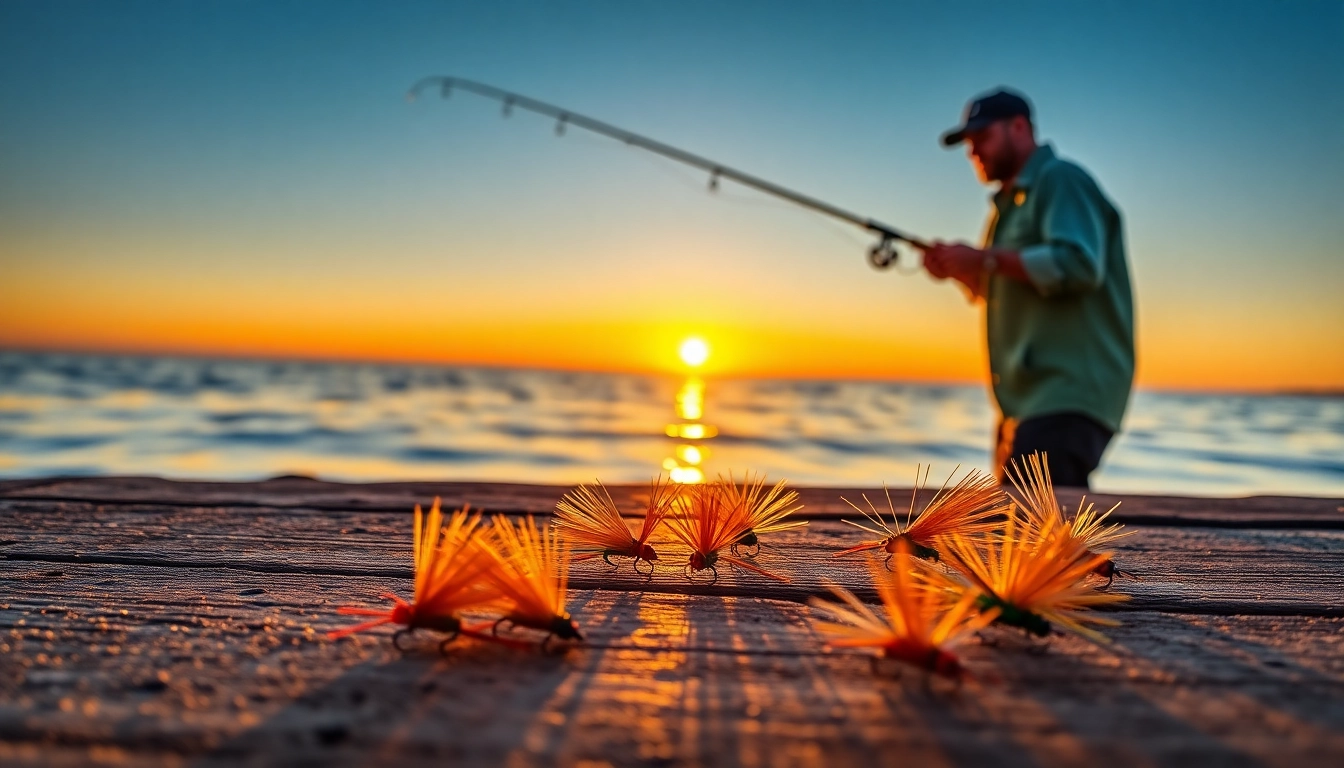
Saltwater fly fishing, a captivating and exhilarating angling technique, offers anglers an extraordinary adventure that diverges starkly from conventional fishing. Unlike traditional methods that rely on bait or spinning tackle, this specialized branch utilizes artificially crafted flies, requiring a unique set of skills, gear, and knowledge. Saltwater environments like the open ocean, bays, and flats are teeming with diverse species, making them fascinating arenas for anglers to explore. This comprehensive guide aims to delve into the intricacies of Saltwater fly fishing, presenting insights from the groundwork up.
What is Saltwater Fly Fishing?
Saltwater fly fishing involves casting lightweight flies designed to mimic baitfish, crustaceans, and other natural prey into saltwater habitats. This form of fishing can target a variety of species, including bonefish, tarpon, permit, and snook. Successful saltwater fly fishing demands not only good casting technique but also a keen understanding of fish behavior and environmental factors. Anglers must adapt to different conditions—fluctuating tides, weather patterns, and water clarity all influence fishing success.
The Appeal of Saltwater Fly Fishing
The thrill of saltwater fly fishing lies in its multifaceted nature; it combines skill, strategy, and sheer excitement. Many anglers are drawn to the challenge of casting flies into tricky locations with the potential for big game fish. Moreover, the connection created between angler and fish during a fight is uniquely exhilarating. Whether standing on the bow of a skiff, wading through the shallows, or casting from a beach, the sensory experience of saltwater fly fishing is unmatched, offering a blend of serenity and adrenaline.
Essential Gear for Beginners
While the appeal of saltwater fly fishing may attract beginners, the right gear is crucial for success. Here’s a breakdown of essential equipment:
- Fly Rod: A sturdy, lightweight rod designed specifically for saltwater fishing is necessary, typically measuring between 9 to 10 feet in length.
- Fly Reel: Choose a reel that can withstand saltwater corrosion and has a reliable drag system to handle larger species.
- Fly Line: Weight-forward floating lines are recommended for optimal casting distance and control.
- Flies: Start with a selection of popular patterns like Clouser minnows, deceivers, and crabs to match the prevalent prey in your area.
- Leader and Tippet: Use fluorocarbon lines for abrasion resistance against sharp fish teeth and rocky environments.
- Tools: Essential tools include pliers, nets, and fly boxes for organization.
Techniques for Successful Saltwater Fly Fishing
Finding the Right Spots
Identifying prime fishing spots is integral to your success as a saltwater fly angler. Fish are often found in locations where they can find food and shelter. Look for:
- Structure: Points, reefs, mangroves, and jetties are hotspots for predatory fish.
- Flats: Shallow areas at low tide where fish come to feed.
- Drop-offs: Where shallow water meets deeper regions, often attracting larger fish.
Using software applications or local knowledge can significantly enhance your understanding of where fish congregate and when.
Understanding Tides and Weather Patterns
The behavior and feeding patterns of saltwater fish are heavily influenced by tides and weather. Understanding these elements will help maximize your chances of a successful outing:
- Tides: Fish are generally more active during incoming and outgoing tides. Pay attention to the tide schedule to plan your fishing trips effectively.
- Weather: Fish tend to be more active before a storm or during overcast days when they feel less exposed. Also, consider wind direction, as it can affect water clarity and accessibility.
Basic Casting Techniques for Beginners
A significant aspect of saltwater fly fishing is the casting technique. Here are some basics to get started:
- Overhead Cast: The most common casting method, involving a back cast and forward cast.
- Double Haul: A technique to increase line speed and distance by pulling on the line during the back and forward casts.
- Roll Cast: Useful in tight spots where back casting is not possible, expressing the need to maximize casting versatility.
Practice frequently, adjusting your technique based on wind conditions and casting distance.
Choosing the Right Equipment for Saltwater Fly Fishing
Choosing Fly Rods and Reels
Your choice of rod and reel plays a significant role in successful saltwater fly fishing. When selecting fly rods:
- Weight: A weight of 8 to 10 is standard for most saltwater species. Choose based on the size of the fish you’re targeting.
- Action: Fast-action rods are preferred for saltwater as they offer better control under windy conditions.
When it comes to reels, prioritize durability and a strong drag system, as saltwater conditions are harsh. Look for lightweight designs that balance well with your rod choice.
Flies Best Suited for Saltwater Conditions
Selecting the right flies is vital to catching fish. Research and examine local baitfish and select patterns that mimic their movement and appearance. Some effective fly examples include:
- Clouser Minnow: An excellent choice for various species, mimicking baitfish effectively.
- Merkin Crabs: Perfect for targeting permit in the flats.
- Tarpon Flies: Designed to entice tarpon with movement and color variations.
Don’t hesitate to experiment with different colors and sizes depending on the conditions and fish behavior.
Maintenance Tips for Your Gear
Proper maintenance of your equipment prolongs its life and enhances performance. Here are essential tips:
- Clean Regularly: Rinse your gear in fresh water after each trip to remove salt deposits.
- Store Properly: Keep reels in a protective case and fly lines away from UV light when not in use.
- Inspect Gear: Regularly check rod guides and line for wear to address any issues before your next adventure.
Tips and Tricks from Experienced Saltwater Anglers
Common Mistakes to Avoid
Even the most experienced anglers make mistakes. Here are common pitfalls to avoid when saltwater fly fishing:
- Overcasting: Casting too far can lead to poor presentation. Focus on accuracy more than distance.
- Wrong Fly Choice: Failure to match the hatch can result in zero bites. Always consider the local forage.
- Poor Timing: Fishing during unfavorable tides or weather conditions can compromise results. Always check forecasts and tide charts.
How to Observe Fish Behavior
Understanding fish behavior can significantly increase your chances of success. Here are actionable tips:
- Watch for Surface Activity: Look for jumping fish or birds diving into the water—these indicate active feeding.
- Monitor Feeding Patterns: Note when fish are most active and adjust your fishing times accordingly.
- Understand Spawning Seasons: Fish behave differently when spawning, so timing your trips around these periods can lead to better results.
Effective Catch and Release Techniques
Practicing responsible fishing is crucial. Follow these guidelines to ensure safe release of fish:
- Use Barbless Hooks: Reduce injury during catch and release.
- Minimize Air Exposure: Keep fish in the water as much as possible, and avoid prolonged handling.
- Revive Fish: Gently hold the fish in the water facing upstream until it revives before letting it go.
Conclusion and Next Steps in Saltwater Fly Fishing
Exploring New Destinations
Saltwater fly fishing can lead to thrilling adventures across various ecosystems. Explore destinations known for their rich fishing opportunities, such as tropical flats, coastal waters, and offshore environments. Research your selected location ahead of time for specific species and the ideal times to navigate the waters.
Joining Local Fishing Communities
Connecting with other saltwater fly fishing enthusiasts can greatly enhance your knowledge and skills. Look for local clubs or online communities where you can share experiences, learn from seasoned anglers, and obtain tips for your next outing.
Continuing Your Education in Fly Fishing
Lastly, consider enrolling in workshops or guided fishing trips to deepen your understanding of saltwater fly fishing techniques. Learn from instructors who can provide personalized guidance and valuable insights that will elevate your fly fishing game.