
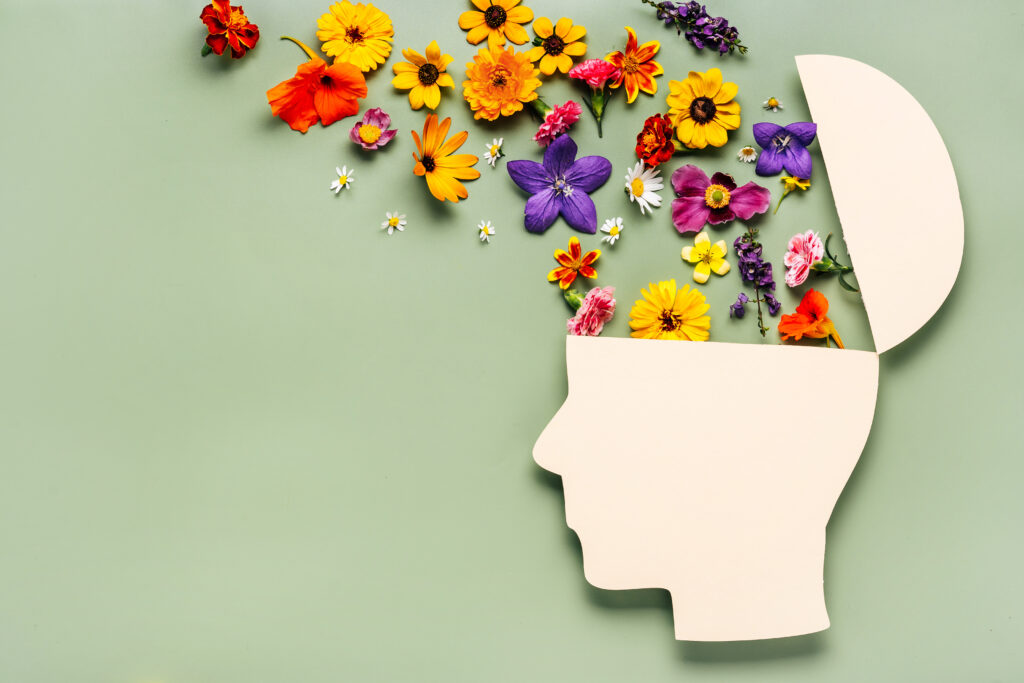
Mental health is a crucial aspect of our overall well-being, impacting how we feel, think, and act. In an age where mental health challenges are becoming increasingly common, learning how to manage stress, anxiety, and other emotional difficulties is more important than ever. Fortunately, there are simple Mental health tips that you can implement today to improve your emotional well-being, increase your resilience, and lead a more balanced life. In this article, we will explore effective strategies, backed by evidence, that will help you prioritize mental health and build habits for lifelong emotional wellness.
Why Mental Health Matters
Mental health refers to our emotional, psychological, and social well-being. It influences how we handle stress, make decisions, relate to others, and even how we experience joy and fulfillment. Good mental health allows us to navigate life’s challenges more effectively, maintain strong relationships, and enjoy a sense of purpose and happiness. On the other hand, poor mental health can lead to conditions like anxiety, depression, and stress, which can negatively affect many areas of our lives.
The key to good mental health lies in adopting habits and strategies that nurture emotional wellness. Understanding the importance of mental health is the first step in taking control of it. While some mental health issues may require professional treatment, there are plenty of simple strategies that anyone can incorporate into their daily routine to enhance their mental well-being.
The Importance of Self-Care for Mental Health
Self-care plays a fundamental role in improving mental health. It involves taking time for yourself to rest, recharge, and prioritize your emotional and physical well-being. Self-care can come in many forms, from engaging in relaxing activities to managing your work-life balance and taking care of your body. When you incorporate self-care into your daily routine, you are better equipped to deal with stress, manage emotions, and stay grounded.
Prioritize Sleep
Getting enough sleep is one of the most crucial elements of self-care. Sleep is not just a break for your body; it is a time for your brain to rest, repair, and reset. Lack of sleep can lead to irritability, anxiety, and poor decision-making, while adequate sleep helps improve focus, memory, and emotional regulation.
Most adults need between 7 to 9 hours of sleep each night. If you struggle with sleep, create a bedtime routine to signal your body that it’s time to wind down. This can include reading, taking a warm bath, or practicing relaxation techniques such as deep breathing or progressive muscle relaxation.
Practice Relaxation Techniques
Relaxation techniques such as deep breathing, progressive muscle relaxation, or guided meditation can significantly reduce stress and anxiety. Taking just a few minutes each day to engage in a relaxation practice can help lower your stress levels, improve your mood, and give your body the opportunity to recover from the pressures of daily life.
Deep breathing, for example, can help activate your parasympathetic nervous system, which is responsible for the body’s rest-and-digest response. This helps reduce the production of stress hormones like cortisol and promotes a feeling of calm. Progressive muscle relaxation involves tensing and then releasing each muscle group in the body, which helps reduce physical tension and promotes relaxation.
Engage in Physical Activity
Exercise is a natural mood booster. Physical activity releases endorphins, which are chemicals in the brain that promote feelings of happiness and well-being. Regular exercise has been shown to reduce symptoms of anxiety and depression, improve sleep quality, and boost self-esteem.
You don’t need to engage in intense workouts to experience the benefits of exercise. Even light activities like walking, cycling, swimming, or yoga can help improve your mood and support mental well-being. Aim for at least 30 minutes of moderate exercise most days of the week to enjoy the mental health benefits of physical activity.
Building a Positive Mindset
A positive mindset is crucial for good mental health. It shapes how we view ourselves, our experiences, and the world around us. A negative mindset can contribute to feelings of anxiety, depression, and low self-esteem, while a positive mindset can help increase resilience, improve relationships, and enhance overall well-being.
Practice Gratitude
Gratitude is a powerful practice that can significantly shift your mindset. Taking time to reflect on the things you are thankful for can help reframe your thoughts and focus on the positive aspects of your life, rather than dwelling on the negative. Studies have shown that people who practice gratitude regularly experience increased levels of happiness, reduced stress, and improved physical health.
You can start a gratitude journal, where you write down three things you’re grateful for each day. These can be small things, like enjoying a cup of coffee or spending time with loved ones, or bigger things like achieving a personal goal. The key is to make gratitude a habit, and over time, you will notice a shift in your overall outlook on life.

Reframe Negative Thoughts
Negative thinking patterns can contribute to mental health struggles such as anxiety and depression. However, it is possible to change these patterns by consciously reframing your thoughts. Cognitive-behavioral therapy (CBT) is a well-established therapeutic approach that focuses on identifying and changing negative thought patterns.
Start by noticing when negative thoughts arise, and ask yourself whether those thoughts are based on facts or assumptions. Try to challenge the negativity by reframing it into a more balanced or positive perspective. For example, if you think, “I’m terrible at this,” reframe it as, “I am still learning, and I can improve with practice.”
Surround Yourself with Positive Influences
The people you surround yourself with can have a significant impact on your mental health. Negative, toxic relationships can drain your energy, increase stress, and lower self-esteem, while positive relationships provide support, encouragement, and emotional balance. Seek out people who lift you up, inspire you, and offer constructive feedback.
Make an effort to spend time with people who are supportive and nurturing. Whether it’s family, friends, or coworkers, connecting with others in positive ways is essential for mental health. If you find yourself in negative or harmful relationships, it may be necessary to set boundaries or distance yourself from those influences.
Managing Stress and Anxiety
Stress and anxiety are common challenges that many people face in their daily lives. Learning to manage stress effectively is key to maintaining mental health. Stress can be caused by external factors such as work, relationships, or financial pressures, or it can stem from internal factors like negative self-talk or unrealistic expectations.
Identify Stress Triggers
Understanding the sources of your stress is the first step in managing it effectively. Stress triggers can vary from person to person, so it’s important to reflect on what causes you to feel stressed or anxious. Common triggers include work deadlines, relationship problems, financial worries, or lack of control over a situation.
Once you identify your stress triggers, you can take proactive steps to minimize or eliminate them. For example, if work deadlines cause stress, consider organizing your tasks into smaller, more manageable steps or delegating responsibilities when possible.
Practice Mindfulness
Mindfulness is the practice of being fully present in the moment without judgment. It helps you observe your thoughts and feelings without becoming overwhelmed by them. Practicing mindfulness can reduce stress, improve emotional regulation, and increase your ability to handle difficult situations.
You can practice mindfulness by focusing on your breath, engaging in mindful eating, or paying attention to your surroundings. Whenever you feel overwhelmed, take a moment to center yourself and focus on the present moment. Mindfulness exercises can be done anywhere, anytime, and only take a few minutes to be effective.
Use Time Management Techniques
Effective time management can help reduce stress by allowing you to stay organized, prioritize tasks, and avoid last-minute rushes. When you have a clear plan for how to spend your time, you feel more in control and less anxious.
Start by creating a daily schedule or to-do list. Break down your tasks into smaller, manageable steps and focus on completing one task at a time. Time management techniques such as the Pomodoro Technique (working in intervals of focused time followed by short breaks) can help increase productivity while preventing burnout.
Taking Care of Your Body for Mental Wellness
The mind and body are interconnected, and taking care of one benefits the other. Engaging in regular physical activity, eating a nutritious diet, and practicing good hygiene are all essential for maintaining mental wellness.
Eat a Nutritious Diet
What you eat has a direct impact on your brain and emotional health. A balanced diet that includes a variety of nutrient-dense foods is essential for supporting brain function, regulating mood, and preventing mental health problems. Aim to include a mix of fruits, vegetables, lean proteins, whole grains, and healthy fats in your daily meals.
Certain foods are particularly beneficial for mental health. Omega-3 fatty acids, found in fatty fish like salmon and in flaxseeds and walnuts, have been shown to reduce symptoms of depression. Foods rich in antioxidants, such as berries, leafy greens, and dark chocolate, help protect the brain from oxidative stress and inflammation.
Stay Hydrated
Dehydration can lead to fatigue, irritability, and difficulty concentrating, all of which can contribute to poor mental health. Drinking enough water throughout the day is essential for maintaining mental clarity and emotional stability.
Aim to drink at least eight glasses of water per day, or more if you are physically active or in hot climates. You can also hydrate through foods with high water content, such as cucumbers, watermelon, and citrus fruits.
Limit Substance Use
Substances like alcohol, caffeine, and recreational drugs can have a negative impact on mental health when consumed in excess. While these substances may offer temporary relief or pleasure, they can worsen anxiety, depression, and other mental health conditions in the long run.
Limiting or eliminating the use of these substances can help improve your mental clarity, mood, and overall emotional wellness. If you struggle with substance use, consider seeking support from a healthcare provider or counselor to help you make positive changes.
Conclusion
Implementing simple mental health tips into your daily routine can have a profound impact on your emotional well-being. By practicing self-care, developing a positive mindset, managing stress, and taking care of your body, you can improve your overall mental health and lead a more fulfilling, balanced life. Start small by incorporating one or two of these tips into your daily routine, and over time, you will notice improvements in your mood, resilience, and sense of well-being.
Remember, mental health is an ongoing journey, and it’s okay to seek professional help if you need it. By prioritizing your mental health, you are taking an important step toward living a happier, healthier life. All categories and top stories are featured right on the homepage.
FAQs
What are some simple mental health tips to improve emotional well-being?
To improve emotional well-being, practice self-care, prioritize sleep, engage in regular physical activity, and practice mindfulness. Building positive relationships and engaging in activities that bring you joy can also enhance your mental wellness.
How can I manage stress effectively?
Managing stress involves identifying your stress triggers, practicing relaxation techniques like deep breathing or meditation, and using time management strategies to stay organized. Regular physical activity and healthy eating can also reduce stress levels.
Is it important to seek professional help for mental health?
While self-care strategies are helpful, seeking professional help is important when mental health issues become overwhelming or persistent. Mental health professionals can provide tailored support and strategies to help you manage mental health challenges effectively.
Contact Us:
Name: Calm Minds Hub
Address: London Eye, Riverside Building, County Hall, Westminster Bridge Rd, London SE1 7PB, United Kingdom
Website: https://calmmindshub.com/


