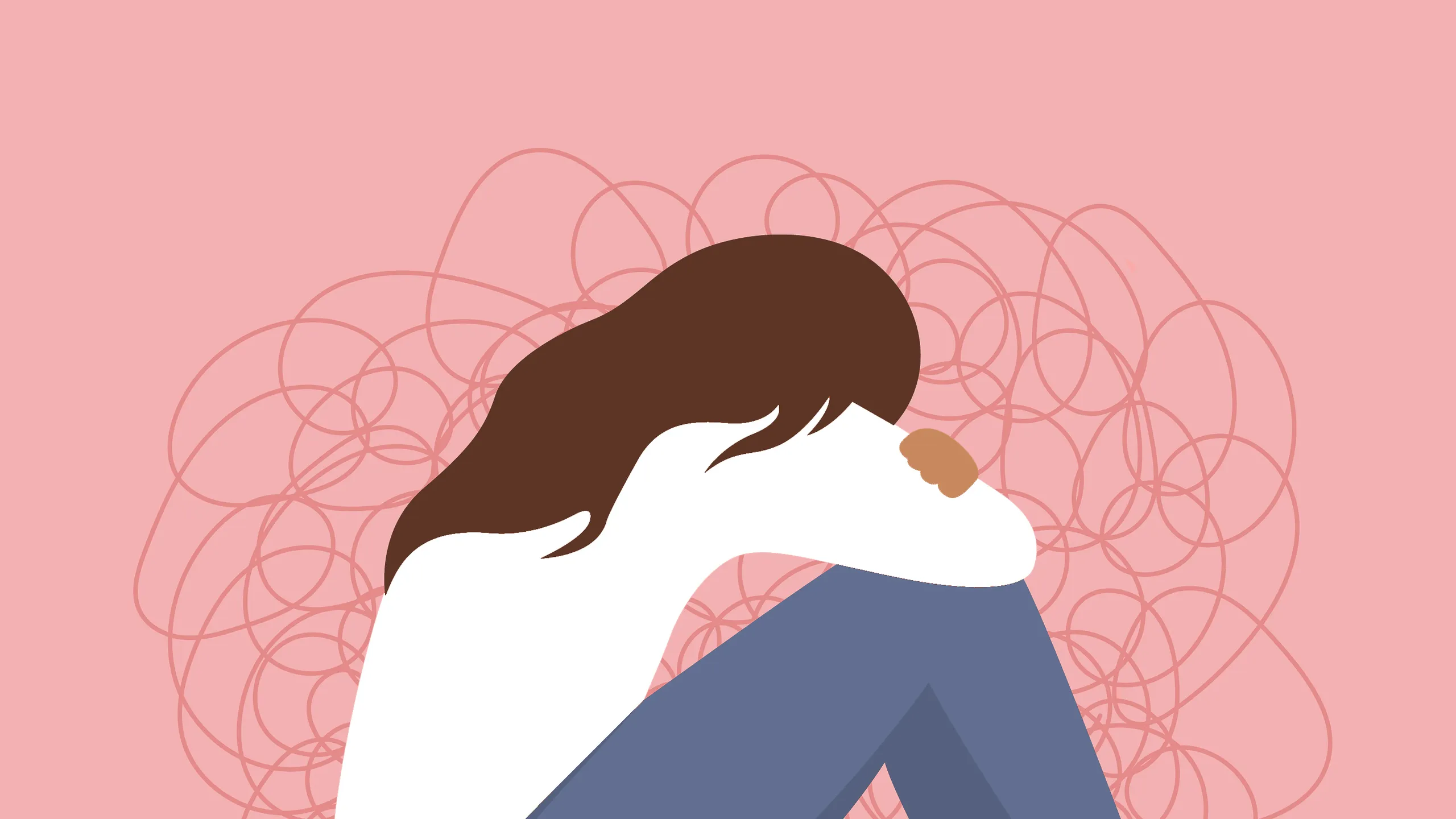

Understanding Anxiety Symptoms
What Are Anxiety Symptoms?
Anxiety symptoms encompass a range of emotional and physical experiences that arise from anxiety disorders. These symptoms can vary significantly in severity and frequency, ultimately impacting individuals’ day-to-day lives. Recognized as a standard response to stress, anxiety can become a problem when it interferes with daily functions. Common anxiety symptoms include excessive worrying, restlessness, and difficulty concentrating. To gain clarity on this complex condition, individuals often seek in-depth information about anxiety symptoms along with their management.
Common Types of Anxiety Disorders
Anxiety disorders are classified into several key types, each with its own unique characteristics. The most prevalent types include:
- Generalized Anxiety Disorder (GAD): Characterized by excessive worry about various life events and activities.
- Panic Disorder: Involves recurrent and unexpected panic attacks, which are intense episodes of fear paired with physical symptoms.
- Social Anxiety Disorder: A significant fear of social interactions, leading to avoidance of social situations.
- Specific Phobias: An extreme fear associated with specific objects or situations that can trigger intense anxiety.
- Obsessive-Compulsive Disorder (OCD): Marked by compulsions and obsessions that lead to repetitive behaviors or mental acts performed to reduce anxiety.
Recognizing Physical vs. Emotional Symptoms
Understanding the difference between physical and emotional anxiety symptoms is crucial for accurate diagnosis and treatment. Physical symptoms may manifest as headaches, fatigue, muscle tension, and gastrointestinal issues, whereas emotional symptoms typically involve feelings of dread, foreboding, and irritability. Recognizing these manifestations can empower individuals to seek help more proactively.
Signs and Manifestations of Anxiety Symptoms
Behavioral Changes Linked to Anxiety Symptoms
Individuals experiencing anxiety symptoms may exhibit noticeable behavioral changes. Common behaviors associated with anxiety include avoidance strategies, where the person goes out of their way to avoid triggering situations. This can lead to isolation and dysfunction in various aspects of life, be it social or occupational. Additional behavioral manifestations may include fidgeting, restlessness, decreased participation in enjoyable activities, and difficulty focusing on tasks.
Physical Changes: Body’s Response to Anxiety Symptoms
When faced with anxiety, the body undergoes physiological expressions of stress. Individuals might experience an increased heart rate, sweaty palms, trembling, and even nausea. These physical changes are part of the body’s natural “fight or flight” response. Understanding the connection between mind and body is essential for developing effective coping strategies.
Emotional Signs of Anxiety Symptoms
Emotional signs of anxiety symptoms are equally significant and require attention. Many individuals report feeling a constant sense of unease, chronic worry, and difficulty relaxing. Mood swings and irritability can also arise as anxiety levels increase, leading to conflicts in personal relationships and workplace dynamics. Recognizing these emotional signs is vital for seeking timely support.
Impact of Anxiety Symptoms on Daily Life
How Anxiety Symptoms Affect Relationships
Anxiety symptoms can profoundly affect interpersonal relationships. Individuals may withdraw from loved ones or avoid social situations entirely, leading to perceived neglect or abandonment. Misunderstandings can arise, resulting in strained relationships. Open communication with friends and family about anxiety can help mitigate these effects and foster supportive environments.
Impact on Work and Productivity Due to Anxiety Symptoms
In a professional context, anxiety symptoms can diminish productivity significantly. Individuals may struggle with concentrating, completing tasks, and maintaining relationships with colleagues. These stressors can ultimately affect career progression and job satisfaction, leading to a cycle of increased anxiety and decreased performance. Employers should prioritize mental health awareness to create supportive workplaces.
Effects on Mental Health from Ongoing Anxiety Symptoms
Living with untreated anxiety can lead to detrimental effects on overall mental health. It can coincide with other mental health issues, such as depression and substance abuse. Long-term anxiety symptoms can erode self-esteem and contribute to feelings of hopelessness and despair. Acknowledging these potential repercussions is essential to seeking help and support, fostering resilience, and achieving recovery.
Diagnosis and Evaluation of Anxiety Symptoms
Professional Assessment of Anxiety Symptoms
Diagnosis of anxiety disorders often begins with a professional evaluation by a mental health expert. Clinicians may utilize structured interviews, questionnaires, and standardized tests to assess the severity and frequency of symptoms. This comprehensive assessment allows for an accurate diagnosis and helps tailor a treatment plan suited to the individual’s specific needs.
Self-Reporting Tools for Tracking Anxiety Symptoms
Self-reporting tools are useful for individuals seeking to track their anxiety symptoms. These tools often include journals, apps, and surveys that allow individuals to note triggers, coping methods, and symptom intensity. Regular self-assessment can illuminate patterns and help to discuss these observations with a healthcare provider during professional evaluations.
When to Seek Help for Anxiety Symptoms
Recognizing the right time to seek professional help can be crucial in managing anxiety symptoms effectively. If symptoms persist for a prolonged period or increasingly interfere with daily life, it is essential to consult a mental health professional. Additionally, if anxiety leads to feelings of hopelessness, self-harm, or suicidal thoughts, immediate help should be sought.
Management and Treatment of Anxiety Symptoms
Coping Strategies for Anxiety Symptoms
Effective coping strategies are paramount for managing anxiety symptoms. Techniques such as mindfulness, deep breathing exercises, and progressive muscle relaxation can reduce anxiety in the moment. Developing a support system, engaging in physical activity, and maintaining a healthy lifestyle contribute positively to symptom management. Implementation of these techniques can empower individuals to reclaim their lives.
Therapies Available for Anxiety Symptoms
Various therapeutic approaches are designed to treat anxiety symptoms effectively. Cognitive Behavioral Therapy (CBT) is one widely practiced method, focusing on changing negative thought patterns contributing to anxiety. Other therapies, such as Dialectical Behavior Therapy (DBT) and exposure therapy, are also beneficial. Each therapy approach may have a unique focus, making it essential to select a suitable option based on individual needs.
Medication Options for Managing Anxiety Symptoms
In some cases, doctors may prescribe medications to help regulate anxiety symptoms. Common options include selective serotonin reuptake inhibitors (SSRIs), benzodiazepines, and beta-blockers. Each class of medication has different use cases and side effects, necessitating a discussion with a healthcare provider to determine the best fit. Medication can serve as a supplementary treatment alongside therapy and lifestyle changes.
FAQs
What are anxiety symptoms?
Anxiety symptoms are a range of emotional and physical reactions to stress, including excessive worry, restlessness, and difficulty concentrating.
How can I recognize if I have anxiety symptoms?
Signs may include persistent worry, physical symptoms like increased heart rate, avoidance of social situations, and irritability.
When should I seek help for anxiety symptoms?
Seek professional help if anxiety symptoms persist for weeks, interfere with daily life, or lead to self-harm thoughts.
What coping strategies can help manage anxiety symptoms?
Mindfulness, deep breathing, regular exercise, and maintaining a supportive network are effective strategies to cope with anxiety symptoms.
Are there medications for anxiety symptoms?
Yes, common medications include SSRIs, benzodiazepines, and beta-blockers, which can help manage anxiety symptoms alongside therapy.