
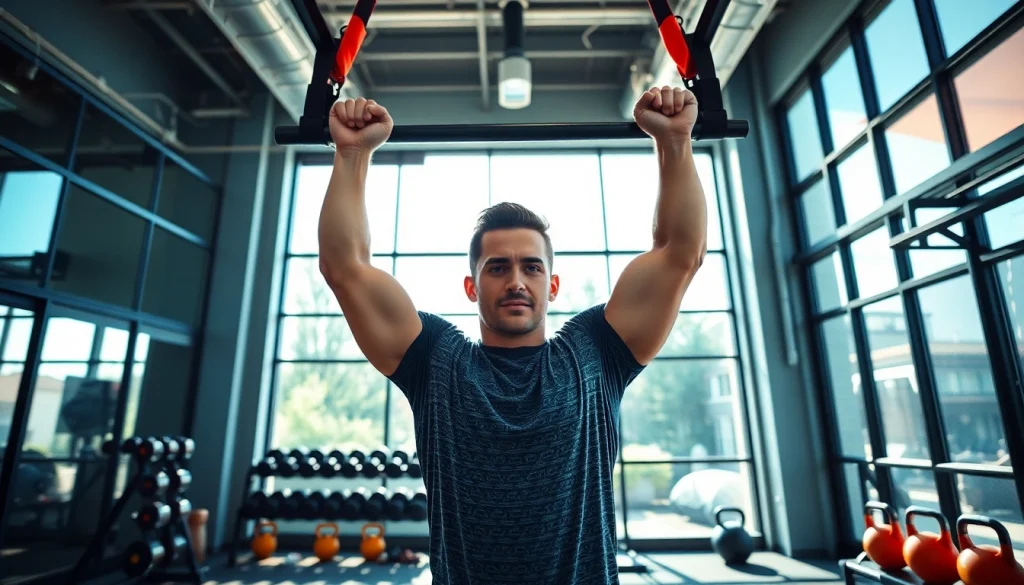
Understanding Pull-Up Assist Bands
In the world of fitness, achieving a solid pull-up can often be seen as a rite of passage, but many struggle to reach this goal. This is where pull-up assist bands come into play. These invaluable tools not only help individuals perform their first pull-up but also serve as a training aid for athletes looking to enhance their strength and technique. With increasing accessibility and variety, understanding the different types and benefits of these bands has never been more crucial for fitness enthusiasts.
What Are Pull-Up Assist Bands and How Do They Work?
Pull-up assist bands are elastic bands designed to provide varying levels of resistance to support individuals during pull-up exercises. Typically made from durable rubber, these bands can be anchored under the foot or knee, enabling users to counterbalance their body weight. As the user performs the pull-up, the band helps lift part of their weight, making the movement more manageable. The resistance level can typically vary based on the band’s thickness: the thicker the band, the more assistance it offers.
Key Benefits of Using Pull-Up Assist Bands for Training
- Gradual Progression: These bands allow users to successfully complete pull-ups, helping to build strength progressively.
- Improved Technique: By providing assistance, bands enable individuals to focus on their form, ensuring they perform the exercise correctly.
- Versatility: Besides pull-ups, these bands can also assist with numerous other exercises such as dips and muscle-ups.
- Accessibility: They make pull-ups achievable for beginners or those who may not yet have the upper body strength required for full bodyweight lifts.
Different Types of Pull-Up Assist Bands: A Comparison
There are primarily three types of pull-up assist bands available in the market: flat bands, loop bands, and mini bands. Flat bands are typically longer and used in various workouts, while loop bands are made from a continuous loop, providing varied resistance levels. Mini bands, on the other hand, are useful for smaller movements and exercises targeting the lower body. Choosing the right type depends on personal preference and specific training goals.
Selecting the Right Pull-Up Assist Bands
Factors to Consider When Choosing Pull-Up Assist Bands
When selecting pull-up assist bands, it’s essential to consider factors such as resistance level, material quality, and the intended use. Beginners might prefer a band with more significant assistance, while more experienced athletes may benefit from bands with less resistance for a greater challenge. Additionally, ensuring the bands are made from high-quality materials can enhance durability and performance.
Top Brands and Models of Pull-Up Assist Bands in 2026
This year, several brands have stood out in the realm of pull-up assist bands. Brands like Rogue Fitness and Rubberbanditz have gained traction among fitness enthusiasts for their high-quality products. Rogue’s Monster Bands, for instance, provide a robust solution for both beginners and advanced users alike, while Rubberbanditz offers multiple thickness options to cater to all fitness levels.
Assessing Your Fitness Level and Band Resistance Needs
Before purchasing pull-up assist bands, it’s vital to assess your current fitness level. Most bands come with clear resistance indicators, allowing users to select the appropriate level that matches their strength. Beginners might start with bands that offer 50-125 lbs of assistance while those with more experience may opt for lighter bands or move toward unassisted pull-ups as strength improves.
Techniques for Using Pull-Up Assist Bands
Proper Setup: How to Use Pull-Up Assist Bands Safely
To maximize the benefits of pull-up assist bands, proper setup is critical. The band should be secured to a pull-up bar and looped under the foot or knee without compromising stability. Users must ensure that their grip on the bar is firm, engaging their core to maintain balance throughout the movement.
Common Mistakes to Avoid When Using Pull-Up Assist Bands
Many users fall into the trap of relying too heavily on the band, leading to poor form and ineffective training. It’s essential to maintain proper posture and engage the core and back muscles during the exercise. Additionally, not allowing enough time to progress to unassisted pull-ups can lead to frustration. Setting realistic goals and tracking progress can alleviate this issue.
Progressing from Assisted Pull-Ups to Unassisted Pull-Ups
To transition from assisted to unassisted pull-ups, users should gradually reduce the assistance level by switching to thinner bands or decreasing the number of repetitions with assistance. Incorporating other strength training exercises focusing on the upper body can also help bolster muscles required for unassisted pull-ups.
Exercises Beyond Pull-Ups with Bands
Incorporating Pull-Up Assist Bands into Your Full-Body Workout
Pull-up assist bands are incredibly versatile and can be used to enhance a full-body workout routine. For instance, users can incorporate bands into squats, lunges, and deadlifts, providing additional support and increasing overall workout efficiency. This not only diversifies the training regimen but also contributes to overall strength development.
Using Bands for Dips, Squats, and Other Exercises
In addition to pull-ups, these bands can assist with other bodyweight exercises like dips and squats. By wrapping a band around the upper arms or shoulders during dips, users can effectively reduce the load, making it easier to complete the movement. For squats, placing the band under the feet and holding it with both hands can help maintain balance while adding an element of resistance.
Creating a Balanced Workout Routine with Pull-Up Assist Bands
To achieve a balanced workout routine, it’s beneficial to combine pull-up assist band exercises with other strength training techniques. A well-rounded regimen may include upper body exercises, core workouts, and lower body movements, ensuring comprehensive strength development. Utilizing pull-up assist bands strategically within this framework can optimize results.
Future Trends in Fitness: The Role of Pull-Up Assist Bands
Innovations in Resistance Bands for Enhanced Training
The fitness industry is continuously evolving with innovations that enhance how workout tools are utilized. Advanced materials and designs are being developed to improve the elasticity and durability of pull-up assist bands, making them more effective than ever. Expect to see smart bands equipped with technology to track workouts and provide real-time feedback.
The Growing Popularity of Functional Training Tools
As more fitness enthusiasts embrace functional training, the demand for versatile tools like pull-up assist bands is on the rise. These bands cater to a wide range of workouts, appealing to both beginners and seasoned athletes. This trend signifies a shift towards more adaptable training methods fit for various fitness goals.
Expert Predictions for Resistance Training in 2026 and Beyond
Experts predict that resistance training will become more integrated into everyday fitness regimes, with bands at the forefront of this trend. As technology enhances training methodologies, pull-up assist bands will likely evolve to incorporate features that personalize user experience and track performance, making them indispensable tools for home and gym workouts alike.