
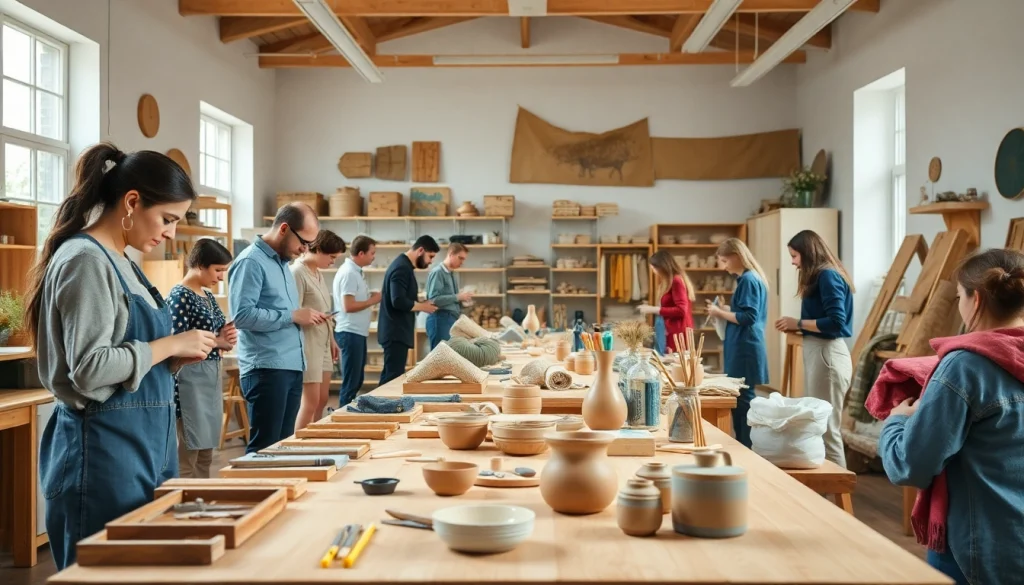
Introduction to Craft Training in Colorado
In recent years, the idea of honing craft skills has seen a resurgence as people seek to connect with their creativity and work with their hands. Craft training in Colorado offers a unique blend of artistic expression and practical skill development, fostering a community of creators and innovators. This article seeks to explore the importance of craft skills, the variety of available training programs, and the numerous benefits participants can gain from engaging in craft workshops.
Understanding the Importance of Craft Skills
Craft skills allow individuals to express their creativity while also gaining invaluable practical knowledge. The act of creating something by hand brings a sense of satisfaction that often eludes us in our increasingly digital world. By investing time in craft training, individuals can not only learn how to create beautiful functional or decorative pieces but can also find a therapeutic outlet that serves to boost mental health and wellbeing.
Overview of Available Craft Training Programs
In Colorado, a range of craft training programs exist to cater to various interests, from traditional arts like pottery and woodworking to innovative approaches incorporating technology. Community colleges, art schools, and local studios provide options that allow participants to choose programs that align with their individual passions and career aspirations. These courses can vary in depth, duration, and hands-on experience, making it essential for potential students to research and understand their choices.
Key Benefits of Participating in Craft Workshops
Participating in craft workshops offers numerous benefits, including:
- Skill Development: Workshops provide hands-on instruction, instilling confidence and mastering techniques.
- Networking Opportunities: Engaging with fellow participants fosters community and collaboration.
- Therapeutic Advantages: Crafting can reduce stress and promote mindfulness, leading to improved mental health.
- Portfolio Creation: Workshops can assist in building a portfolio, essential for those seeking freelance or employment opportunities in creative fields.
Types of Craft Training Available
Artisanal Crafts: A Closer Look
The artisanal craft movement emphasizes the value of handmade goods, and Colorado has become a hub for these skills. Classes in pottery, leatherworking, and jewelry making teach participants traditional methods that have been refined over generations. Therefore, individuals can gain a deep appreciation for the craftsmanship involved and the stories behind the work.
Textiles, Woodworking, and Metalworking
Textile arts such as weaving, quilting, and fabric dyeing are prominent in craft training. These courses often explore both historical techniques and modern application. Woodworking classes focus on everything from basic carpentry to complex furniture-making, while metalworking sessions allow participants to explore techniques such as welding, forging, and casting. By engaging with these materials, individuals experience a sense of connection to the craft that goes beyond mere aesthetics.
Digital Crafting: Blending Tradition with Technology
As technology evolves, so too does the crafting landscape. Digital crafting programs incorporate new tools like 3D printing and software for graphic design, allowing for innovative approaches to traditional crafting methods. By combining digital craftsmanship with age-old techniques, artisans can push the boundaries of creativity and develop unique pieces that blend form and function.
Getting Started: How to Choose the Right Program
Evaluating Your Goals and Interests
Before embarking on a craft training journey, it’s essential to assess personal goals and interests. Are you looking to explore a new hobby, enhance existing skills, or pursue a career in crafting? Each program will cater to different outcomes, so clarifying personal motivations will lead to more fulfilling training experiences.
Researching Local Craft Training Schools
Researching local craft training schools in Colorado is critical in finding a program that best suits your needs. Consider factors such as teaching styles, instructor qualifications, and student reviews. Local online communities or social media groups can provide valuable insights about the experiences of former students, aiding in your decision-making process.
Costs and Investment in Craft Training
The cost of craft training can vary significantly based on the type of program and its duration. Understanding budget limitations is crucial, but it’s also vital to view this as an investment in personal growth and skill development. Various financial aid options may be available for specific programs, making it easier for aspiring artisans to start their journey.
Maximizing Your Craft Training Experience
Staying Engaged: Tips for Active Learning
To maximize your craft training experience, staying actively engaged is key. Implementing techniques such as practicing regularly, asking questions during workshops, and participating in discussions can deepen your understanding and retention of skills. Embrace the learning process and be open to experimenting with new ideas.
Networking with Fellow Craft Enthusiasts
Cultivating relationships with fellow craft enthusiasts enhances the learning experience. Attend community events, join craft groups on platforms such as Facebook, or reach out to instructors after class. Networking can offer inspiration, constructive feedback, and support as you evolve in your crafting journey.
Showcasing Your Work: Building a Portfolio
Building a portfolio showcasing your craftwork is invaluable for those looking to turn their passion into a career. Document your projects, include photographs of your work, and provide context highlighting challenges and techniques used. A well-rounded portfolio not only serves to attract potential clients or employers but also allows you to reflect on your growth and progress over time.
Future Opportunities in Craft Training
Career Paths and Market Demand in Colorado
The demand for skilled artisans continues to grow as consumers seek high-quality, handmade products. Career paths for trained crafters can vary widely, including roles in product design, teaching, and entrepreneurship. In Colorado, opportunities abound in local markets and galleries willing to showcase and sell artisanal goods.
Continuing Education and Advanced Craft Techniques
Craft training doesn’t end with beginner courses. Many institutions offer advanced classes designed for crafters seeking to refine their skills or learn new techniques. Pursuing continuing education allows artisans to keep pace with emerging trends and methods while enhancing their own offerings.
Online Resources for Lifelong Crafting Skills
The digital age has made it easier than ever to pursue lifelong learning in crafts. Various online platforms provide tutorials, webinars, and resources for crafters at every skill level. Consider joining online workshops or forums to connect with a broader community and continue your growth in craft training.
Conclusion
Craft training in Colorado offers individuals a transformative experience, linking creativity with tangible skills. As you explore various types of programs, assess personal goals, and engage in the vibrant crafting community, the possibilities for personal and professional growth are virtually limitless. Embrace the journey and allow your creativity to flourish in the world of crafts.