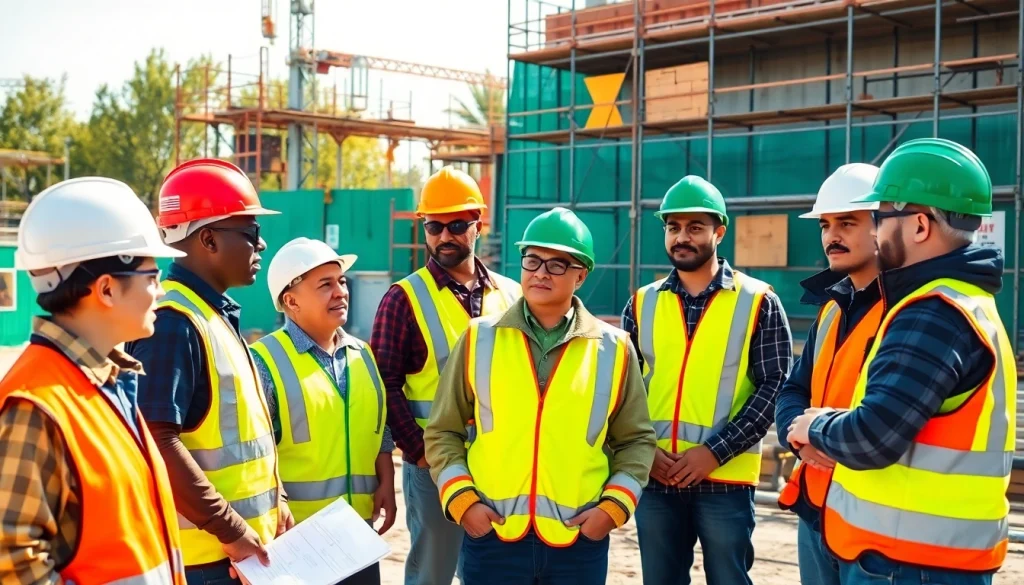
Understanding the Importance of Construction Safety Programs
In the realm of construction, safety cannot be an afterthought. The implementation of effective construction safety programs is vital for protecting workers, enhancing productivity, and minimizing legal liabilities. As construction sites are among the most hazardous workplaces, focusing on safety ensures a sustainable and efficient operation.
The Role of Safety in Construction
Construction safety plays a pivotal role in not only safeguarding human life but also in supporting project success. By fostering a safer environment, organizations can reduce the incidence of delays and accidents. Safety programs establish baselines for protocols that can be universally applied across various tasks and projects.
Benefits of Effective Safety Programs
- Reduction in Accidents: Effective safety programs lead to fewer workplace accidents, which minimizes health risks for employees.
- Enhanced Productivity: A safe environment allows workers to focus solely on their tasks without the fear of accidents.
- Lower Insurance Costs: With fewer incidents, companies can benefit from lower insurance premiums.
- Improved Morale: Employees feel valued and secure in a workplace that prioritizes safety.
- Regulatory Compliance: Adhering to safety standards helps organizations comply with legal requirements, avoiding costly fines.
Common Risks in Construction Work
Numerous hazards are inherent in construction work, including:
- Falls: One of the leading causes of injuries, falls can occur from heights or tripping over obstacles.
- Electrocution: Working with electrical systems presents dangers if not properly managed.
- Struck-by Incidents: Workers can be injured by moving machinery, falling objects, or equipment.
- Caught-In or Between: This scenario happens when a worker is caught or trapped by equipment or collapsing structures.
Key Components of Successful Construction Safety Programs
Essential Safety Policies and Procedures
Every safety program should start with a robust framework of policies that dictate safe behaviors and actions on site. This includes:
- Clear Guidelines: Establish specific safety protocols for different tasks and situations.
- Emergency Response Plans: Prepare for emergencies with clearly defined procedures for various scenarios.
- Employee Responsibilities: Clearly define what is expected from each worker concerning safety protocols.
Training and Certification Needs
Training should cover essential areas such as hazard recognition, safe use of tools, and emergency management. Continuous education is paramount; hence, regular training sessions and updates on the latest standards are crucial. Additionally, certifications in safety should be encouraged to maintain high competency levels among workers.
Tools and Equipment for Safety
Investing in safety equipment is necessary to mitigate risks effectively. Essential tools and equipment include:
- Personal Protective Equipment (PPE): Hard hats, gloves, safety glasses, and high-visibility clothing are vital for protection.
- Safety Tools: Use of guardrails, safety nets, and scaffolding systems can significantly reduce fall risks.
- Monitoring Devices: Utilize technology such as drones or cameras to monitor safety compliance on site.
Building a Safety Culture within Construction Teams
Promoting Open Communication
Encouraging a culture of open communication about safety concerns is essential. Workers should feel empowered to report unsafe conditions and incidents without fear of retaliation. Regular meetings and feedback sessions can facilitate this initiative.
Leadership’s Role in Safety
Leaders play a critical role in establishing a culture of safety. They must lead by example, prioritize safety in all operations, and visibly support safety initiatives. When leaders actively participate in safety programs, it fosters a sense of importance throughout the organization.
Incentives for Safe Practices
Incentivizing safe practices can significantly enhance the effectiveness of safety programs. Effective strategies include:
- Recognition Programs: Acknowledge and reward employees who demonstrate exceptional safety behaviors.
- Safety Bonuses: Implement bonuses for teams that meet safety milestones without incidents.
- Safety Competitions: Organize friendly contests focused on safety adherence among teams.
Implementing Construction Safety Programs: Step-by-Step Guide
Initial Safety Assessments
Before implementing any safety program, conducting a comprehensive safety assessment is vital. This involves identifying existing risks by evaluating the site and understanding previous incident reports for patterns in safety violations.
Incorporating Feedback and Continuous Improvement
Gathering feedback from workers helps identify weaknesses in current programs. Regularly updating policies based on actionable insights leads to continuous improvement. Implementing a suggestion box or conducting surveys can be effective practices.
Monitoring and Reporting Safety Metrics
Establishing metrics for monitoring safety performance is essential. This includes keeping track of incident rates, near misses, and compliance with safety protocols. Reporting these metrics helps to strengthen the safety program and justifies further investments in safety initiatives.
Frequently Asked Questions About Construction Safety Programs
What are the main goals of construction safety programs?
The primary goals include reducing workplace injuries and fatalities, ensuring regulatory compliance, and promoting a culture of safety among workers.
How often should safety training be conducted?
Safety training should occur regularly, ideally before starting a new project, and reinforce training every 6 to 12 months, depending on job complexity.
What should be included in a safety policy?
A safety policy should outline roles and responsibilities, safety protocols, emergency plans, and procedures for reporting hazards and incidents.
How can I measure the effectiveness of safety programs?
Effectiveness can be measured through metrics such as reduced incident rates, employee feedback, compliance with safety audits, and the overall safety culture.
What are the legal requirements for construction safety?
Legal requirements typically include adherence to OSHA guidelines, maintaining a safe work environment, proper training, and ensuring the use of protective equipment.