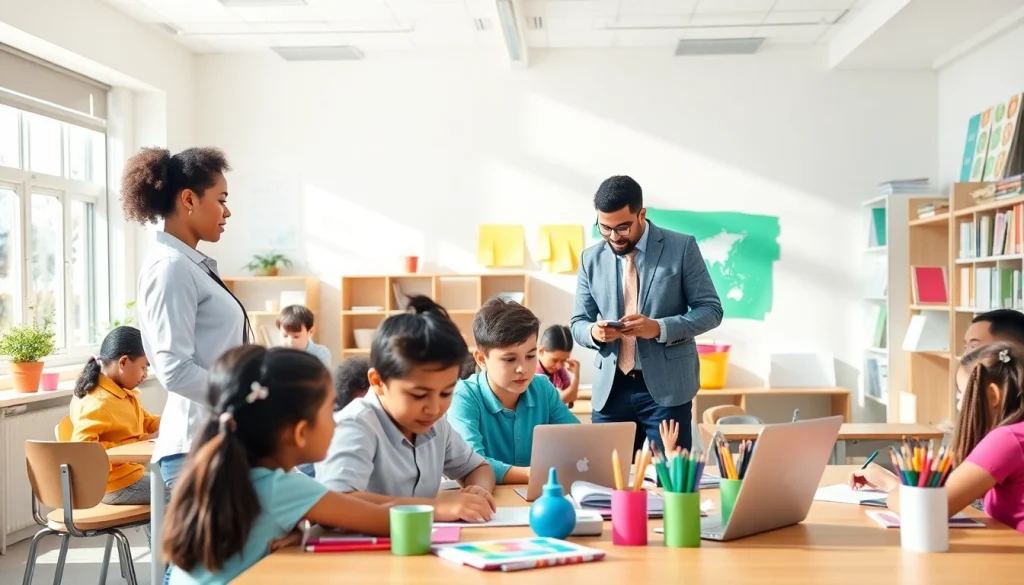
Understanding the Foundations of Education
Education is more than just a process of acquiring knowledge; it is a cornerstone of societal development and personal growth. Through structured learning experiences, individuals gain not only academic knowledge but also the critical skills necessary for navigating the complexities of modern life. In this expansive exploration, we will delve into the multifaceted nature of education, its various forms, and the core principles that underscore its effectiveness. For an in-depth examination of Education, we will unpack the role it plays in society, the different types it encompasses, and the essential principles that guide educational practices.
The Role of Education in Society
The role of education in society cannot be overstated. It functions as a primary means of socialization, transmitting cultural values, norms, and knowledge from one generation to the next. Education contributes to personal development, fostering critical thinking, creativity, and problem-solving skills that are essential in today’s fast-paced world. Moreover, it plays a significant role in promoting equality and social justice. By providing access to learning resources and opportunities, education acts as an equalizer in society, empowering individuals from diverse backgrounds to succeed.
Additionally, education is closely linked to economic development. A well-educated workforce drives innovation, productivity, and growth within economies. Countries that prioritize education often see higher levels of economic prosperity and improved overall quality of life. Thus, investing in education is not merely a societal obligation but a strategic imperative for sustainable development.
Types of Education: Formal, Informal, and Non-Formal
Education can be classified into three main types: formal, informal, and non-formal. Each type serves distinct purposes and employs different methodologies. Understanding these categories is crucial for recognizing the diverse pathways to knowledge acquisition.
- Formal Education: This type refers to structured educational programs that occur within an institutionalized framework, such as primary, secondary, and higher education. It is systematic, guided by a curriculum, and typically culminates in recognized certifications or degrees. Formal education is often seen as the most conventional form of learning, characterized by a prescribed academic pathway and professional qualifications.
- Informal Education: Unlike formal education, informal education refers to the spontaneous learning that occurs in everyday life. It encompasses experiences outside the classroom, such as learning through family, peers, work, or community activities. Informal education is characterized by its flexible nature, lacking a fixed curriculum and often taking place in a variety of settings.
- Non-Formal Education: This type of education includes organized learning activities that take place outside formal education systems. Non-formal education is often more flexible and tailored to specific groups, such as adult education programs, vocational training, and community education initiatives. It aims to provide learners with practical skills and knowledge relevant to their personal and professional lives, thereby complementing formal education.
Core Principles of Effective Education
Effective education is governed by several core principles that ensure its successful implementation. These principles guide educators and policymakers in creating curricula, teaching methodologies, and learning environments conducive to student success.
- Inclusivity: Education must be inclusive, accommodating the needs of all learners, regardless of their backgrounds or abilities. This involves adapting teaching styles and materials to ensure equal access to learning opportunities for every student.
- Relevance: Education should align with real-world applications and students’ life experiences. When learners see the connection between what they are studying and their personal or professional lives, they are more likely to engage meaningfully with the material.
- Engagement: An engaging educational experience fosters a love for learning. Employing interactive teaching methods and hands-on activities encourages students to participate actively and take ownership of their education.
- Continuous Assessment: Regular feedback is essential for student growth. Continuous assessment helps educators identify areas where students may struggle and provides opportunities for improvement and personalized instruction.
- Collaboration: Education thrives in collaborative environments where students work together, share ideas, and learn from one another. Promoting teamwork and communication skills prepares students for collaborative work settings in their future careers.
Identifying Challenges in Education Systems
Despite the recognized importance of education, various challenges hinder its effectiveness across different educational systems. Addressing these challenges is crucial for creating equitable and high-quality educational opportunities for all learners.
Common Barriers to Quality Education
Barriers to quality education manifest in numerous forms, often determined by socioeconomic, geographical, and systemic factors. Some of the most common challenges include:
- Resource Limitations: Many schools, especially in underserved areas, operate with inadequate resources, including outdated textbooks, insufficient technology, and poorly maintained facilities. This lack of resources can severely impact the quality of education students receive.
- Teacher Shortages: A shortage of qualified teachers can lead to larger class sizes, reduced individualized attention for students, and a diminished learning experience. Retaining quality educators is paramount to improving education systems.
- Curriculum Rigor: Some education systems struggle to provide a challenging and stimulating curriculum that engages students and meets academic standards. An overly simplistic curriculum can fail to promote critical thinking and problem-solving skills.
- Standardized Testing: Reliance on standardized testing can limit creative teaching methods and place undue pressure on students and teachers, often narrowing the curriculum to test preparation rather than holistic learning.
Addressing Equity in Educational Opportunities
Equity in education is vital for ensuring that all students, regardless of their background, have access to quality learning experiences. Addressing disparities in educational opportunities involves targeted initiatives aimed at leveling the playing field. Strategies for promoting educational equity include:
- Increasing Funding: Allocating resources to underfunded schools can significantly improve educational outcomes. Investment in teacher training, infrastructure, and technology ensures that all students receive a high-quality education.
- Diverse Curriculum: A curriculum that reflects diverse cultures, perspectives, and experiences fosters inclusivity and engagement among students, motivating them to connect with the material.
- Community Engagement: Actively involving parents, community members, and stakeholders in education initiatives builds support networks that can enhance educational opportunities for students.
- Mentorship Programs: Establishing mentorship programs connects students with role models and supports their academic and personal development, particularly for those from disadvantaged backgrounds.
Impact of Socioeconomic Factors on Education
Socioeconomic factors play a significant role in shaping educational outcomes. Economic disparities can lead to unequal access to resources and opportunities, influencing student performance. Key areas of impact include:
- Access to Resources: Students from affluent families often benefit from access to tutoring, extracurricular activities, and advanced technology, while their counterparts in lower socioeconomic brackets may lack similar resources.
- Home Environment: Family background and parental education levels significantly affect students’ academic achievements. Supportive home environments can foster a love for learning, while instability can create barriers to educational success.
- Health and Nutrition: Health issues stemming from poor nutrition or inadequate healthcare can impede cognitive development and academic performance. Addressing students’ physical and mental well-being is crucial for promoting educational success.
Innovative Teaching Methods to Enhance Education
To meet the diverse needs of today’s learners, educators are increasingly adopting innovative teaching methods that foster deeper engagement and understanding. These methods encourage critical thinking and competency-based learning, paving the way for more meaningful educational experiences.
Project-Based Learning Approaches
Project-based learning (PBL) is an instructional method that promotes active learning through engaging, real-world projects. PBL allows students to explore complex questions, develop solutions, and work collaboratively. The benefits of project-based learning include:
- Real-World Relevance: Students tackle issues that reflect real-world challenges, making their learning experiences relevant and applicable to their lives.
- Interdisciplinary Skills: PBL encourages the integration of knowledge across multiple disciplines, fostering a holistic understanding of concepts.
- Collaboration and Communication: Through teamwork, students develop critical collaboration and communication skills vital for future success.
Incorporating Technology in Education
Technology continues to transform education, offering new avenues for enhanced learning experiences. By integrating technology into the classroom, educators can provide innovative tools and resources that engage students and facilitate learning. Some key benefits include:
- Personalized Learning: Technology allows for tailored educational experiences, accommodating distinct learning styles and paces.
- Access to Resources: Students can access a wealth of information and learning materials online, expanding their knowledge beyond traditional textbooks.
- Interactive Learning: Educational technologies like simulations, educational games, and multimedia resources create interactive environments that enhance learning retention.
Flipped Classroom Strategies
The flipped classroom model reverses traditional teaching methods by introducing students to content before class, allowing for more hands-on and application-based learning during class time. This approach offers multiple advantages:
- Increased Engagement: By consuming instructional content at home, students come to class prepared to participate actively in discussions and activities.
- Homework Improvement: Students can practice skills and reinforce learning during class, receiving immediate feedback and assistance from instructors.
- Flexible Learning Environments: A flipped classroom allows for diverse learning styles, as students can revisit lesson materials as needed in their own time.
Measuring the Effectiveness of Education
Measuring the effectiveness of educational programs and initiatives is essential for continuous improvement. By utilizing various performance indicators and feedback mechanisms, educators can refine their strategies and enhance the quality of education.
Key Performance Indicators and Metrics
Key performance indicators (KPIs) serve as quantifiable measures of success in educational settings. These indicators can provide insights into student performance, teacher effectiveness, and overall institutional goals. Some common KPIs in education include:
- Academic Achievement: Metrics such as test scores, graduation rates, and college enrollment rates illustrate students’ academic performance and readiness for future challenges.
- Retention Rates: Tracking student retention can offer insights into student satisfaction and the effectiveness of educational programs.
- Graduation and Dropout Rates: Understanding the percentage of students who graduate versus those who drop out helps identify barriers to educational completion and success.
Feedback Mechanisms for Continuous Improvement
Feedback mechanisms play a vital role in fostering a culture of continuous improvement within educational systems. Strategies for effective feedback include:
- Surveys and Assessments: Regularly conducting surveys among students, parents, and teachers provides valuable insights into the educational experience and areas for enhancement.
- Peer Reviews: Encouraging peer evaluations among educators fosters a collaborative environment focused on sharing effective practices and strategies for improvement.
- Stakeholder Engagement: Involving all stakeholders—students, teachers, parents, and community members—in discussions about educational quality ensures diverse perspectives are considered in decision-making processes.
Role of Assessments in Education
Assessments play a pivotal role in education by evaluating student understanding and guiding instructional decisions. While traditional assessments can sometimes be limiting, a balanced approach that combines various assessment types can yield comprehensive insights. These include:
- Formative Assessments: Ongoing assessments during the learning process help educators identify student strengths and areas for improvement, allowing for timely interventions.
- Summative Assessments: These end-of-term evaluations measure students’ knowledge and skills against predetermined standards, providing an overview of academic performance.
- Authentic Assessments: Assessments that require students to apply their knowledge in real-world contexts encourage critical thinking and problem-solving skills.
The Future of Education: Trends and Predictions
As we navigate the complexities of a rapidly changing world, the future of education is evolving. Emerging trends and technologies are poised to shape the educational landscape dramatically, presenting both challenges and opportunities for learners, educators, and policymakers alike.
Emerging Technologies Shaping Education
Technological advancements are revolutionizing education at an unprecedented pace. Emerging technologies, such as artificial intelligence, virtual reality, and data analytics, offer innovative capabilities for enhancing learning experiences. Some key trends include:
- Artificial Intelligence: AI-powered educational tools can personalize learning experiences, adapt curricula to meet individual needs, and provide tailored feedback to students.
- Virtual and Augmented Reality: VR and AR technologies offer immersive learning experiences, allowing students to engage with content in experiential ways that enhance understanding and retention.
- Data Analytics: Leveraging data analytics can help educators track student performance trends, identify at-risk students, and implement evidence-based interventions.
Global Perspectives on Educational Reform
Educational reform is a global pursuit, as countries seek to improve their educational systems and outcomes. Learning from diverse approaches offers valuable insights into creating effective educational policies. Global perspectives on educational reform may include:
- Competency-Based Education: Many countries are shifting towards competency-based models that focus on mastering skills rather than completing specific course requirements.
- Inclusive Education Policies: Approaches that emphasize inclusion for students with disabilities and those from diverse backgrounds are gaining traction worldwide.
- Lifelong Learning Initiatives: Recognizing the importance of continuous learning, governments are implementing programs and policies that encourage skills development throughout individuals’ lives.
Preparing for Lifelong Learning in Education
The future of education increasingly emphasizes the importance of lifelong learning, equipping individuals with the skills and mindset necessary to adapt to changing workforce demands. Elements of fostering a culture of lifelong learning include:
- Flexible Learning Opportunities: Creating accessible pathways for adult learners, such as online courses, evening classes, and professional development programs, encourages continuous skills enhancement.
- Promoting Self-Directed Learning: Encouraging learners to take ownership of their educational journeys fosters independence and cultivates a love for learning beyond formal education.
- Emphasizing Critical Thinking: Preparing individuals to navigate an ever-evolving world necessitates a strong foundation in critical thinking, creativity, and problem-solving skills.
In conclusion, the multifaceted nature of education encompasses varied dimensions that shape the future of learners and societies at large. By understanding the foundational principles, identifying challenges, and embracing innovative teaching methods, stakeholders can enhance educational outcomes. Now more than ever, the commitment to educational equity, effectiveness, and continuous improvement is crucial for maximizing the potential of education in building a brighter future for all.