Agentic AI Tools Shaping the Future of AI Assistants
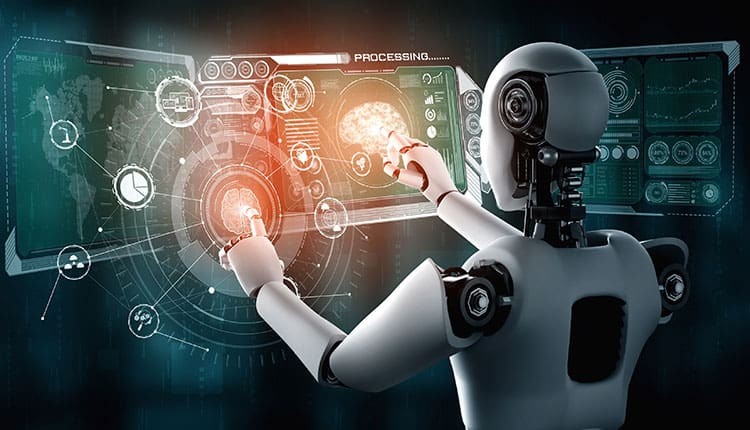
Introduction to Agentic AI Tools
Agentic AI tools are redefining the capabilities of AI assistants by combining autonomy, contextual awareness, and adaptive intelligence. Unlike traditional AI applications that rely on rigid instructions and human oversight, Agentic AI tools can perform complex, multi-step tasks independently, anticipate user needs, and optimize their behavior over time.
These tools leverage machine learning, reinforcement learning, natural language processing, and advanced planning algorithms to enhance productivity, streamline workflows, and provide intelligent support. The evolution of agentic AI is transforming AI assistants from reactive utilities into proactive, self-directed collaborators capable of delivering meaningful outcomes in real-world environments.
Core Features of Agentic AI Tools
Autonomous Task Execution
Agentic AI tools are designed to perform tasks autonomously. They can prioritize objectives, make decisions based on context, and carry out complex sequences of actions without requiring constant human guidance. This autonomy allows AI assistants to handle tasks such as scheduling, data analysis, and document generation efficiently and accurately.
By executing tasks independently, agentic AI tools reduce the workload for human users, allowing them to focus on strategic or creative activities rather than routine operational duties.
Adaptive Learning and Improvement
A defining characteristic of agentic AI tools is their ability to learn and adapt continuously. Using reinforcement learning and feedback mechanisms, AI assistants refine their performance over time, improving accuracy, efficiency, and decision-making.
For instance, an agentic AI assistant can learn user preferences in communication style, scheduling priorities, or project management processes, tailoring its actions to provide personalized and contextually relevant support.
Contextual Awareness
Agentic AI tools possess sophisticated contextual awareness, enabling them to understand environmental cues, interpret data, and adjust actions based on the situation. This capability allows AI assistants to respond intelligently to changing circumstances, anticipate needs, and optimize workflow management across various applications.
Contextual awareness also enhances the relevance and effectiveness of interactions between AI assistants and human users, ensuring that recommendations, actions, and communications align with specific goals and requirements.
Applications in Modern AI Assistants
Intelligent Scheduling and Calendar Management
One of the most prominent applications of agentic AI tools is in scheduling and calendar management. AI assistants can autonomously coordinate meetings, adjust appointments in real time, and optimize schedules based on user availability, priorities, and historical patterns.
By handling these tasks proactively, agentic AI tools reduce scheduling conflicts, save time, and improve overall productivity for individuals and teams.
Automated Communication Management
Agentic AI tools enhance communication platforms by managing emails, messages, and notifications intelligently. AI assistants can prioritize critical messages, draft responses, and even follow up on pending tasks, minimizing delays and ensuring that essential communications are addressed promptly.
These tools also learn from user interactions to refine their responses, improving personalization and efficiency over time.
Project and Task Management
In project management, agentic AI tools offer advanced capabilities for coordinating tasks, tracking progress, and optimizing resource allocation. Autonomous AI assistants can identify bottlenecks, reassign tasks, and provide actionable insights, enabling teams to meet deadlines and achieve objectives more efficiently.
The ability of agentic AI tools to handle multi-step workflows autonomously makes them invaluable for complex projects requiring collaboration across multiple stakeholders.
Knowledge Management and Research Assistance
Agentic AI tools support knowledge management by organizing documents, extracting relevant insights, and generating reports autonomously. They can perform literature reviews, summarize data, and provide actionable recommendations, enabling faster and more informed decision-making.
By automating these processes, AI assistants help organizations reduce manual effort, maintain data accuracy, and enhance overall operational efficiency.
Technologies Powering Agentic AI Tools
Machine Learning and Predictive Analytics
Machine learning algorithms allow agentic AI tools to recognize patterns, anticipate outcomes, and make informed decisions. Predictive analytics further enhances their ability to forecast trends, optimize workflows, and proactively address potential issues.
Natural Language Processing
Natural language processing enables AI assistants to understand, interpret, and generate human language effectively. This capability allows agentic AI tools to communicate naturally with users, process textual data, and engage in meaningful interactions across various platforms.
Reinforcement Learning
Reinforcement learning is central to the adaptive nature of agentic AI tools. By learning from feedback and outcomes, AI assistants refine their strategies, improve task execution, and optimize decision-making over time, ensuring continuous improvement in performance.
Integration with Enterprise Systems
Agentic AI tools are increasingly integrated with cloud platforms, CRM systems, and enterprise software. This connectivity allows AI assistants to access real-time data, coordinate tasks across multiple applications, and deliver a unified, intelligent user experience.
Benefits of Agentic AI Tools
Increased Productivity
By autonomously handling routine tasks and complex workflows, agentic AI tools free human users to focus on higher-value activities, improving overall productivity and efficiency.
Enhanced Decision-Making
Agentic AI tools provide actionable insights, predictive recommendations, and context-aware guidance, enabling smarter and faster decision-making in dynamic business environments.
Personalized and Adaptive Support
These tools continuously learn user preferences and adapt their behavior to provide personalized assistance. This results in a more relevant, effective, and user-friendly experience for individuals and teams.
Scalability and Flexibility
Agentic AI tools can scale across multiple users, projects, or departments, managing increasing workloads without proportional increases in human resources. This scalability makes them ideal for growing organizations seeking intelligent automation solutions.
Challenges and Considerations
Data Privacy and Security
Agentic AI tools rely on access to significant volumes of data. Ensuring secure handling, storage, and compliance with privacy regulations is essential to protect sensitive information.
Ethical and Governance Issues
The autonomous nature of agentic AI raises ethical considerations related to accountability, transparency, and decision-making authority. Establishing governance frameworks is critical for responsible deployment.
Complexity of Implementation
Integrating agentic AI tools into existing workflows and systems can be technically complex. Organizations need skilled personnel, proper infrastructure, and continuous monitoring to ensure optimal performance.
Future Outlook
The evolution of agentic AI tools is set to revolutionize AI assistants, making them more intelligent, autonomous, and proactive. As AI algorithms advance and integration with enterprise systems deepens, these tools will increasingly handle complex, multi-step tasks, deliver predictive insights, and provide personalized support across diverse business functions.
Organizations adopting agentic AI tools will benefit from higher productivity, smarter decision-making, and adaptive, scalable solutions that enhance collaboration and operational efficiency. The future of AI assistants is agentic, transforming them from reactive tools into autonomous, strategic partners capable of driving meaningful outcomes in professional and personal environments.