Understanding THCA: Scientific Insights and Consumer Awareness
Introduction to THCA
THCA is a naturally occurring cannabinoid found primarily in raw cannabis plants. Unlike THC, THCA is non-psychoactive, meaning it does not produce a “high” when consumed in its raw form. For scientists, wellness enthusiasts, and curious consumers, understanding THCA is essential because it serves as a precursor to THC and carries unique chemical and therapeutic properties that distinguish it from other cannabinoids.
The Science Behind THCA
THCA stands for tetrahydrocannabinolic acid, and it is the acidic form of THC. Its chemical structure includes an extra carboxyl group that prevents it from binding effectively to the brain’s CB1 receptors. When THCA is exposed to heat, a process called decarboxylation occurs, converting it into THC, the psychoactive compound. This transformation explains why raw cannabis does not produce a high and why the distinction between THCA and THC is scientifically significant for researchers and consumers alike.
Potential Benefits of THCA
Research into THCA is still in early stages, but studies and anecdotal reports suggest a range of potential benefits. THCA has been explored for its anti-inflammatory, neuroprotective, and antioxidant properties. Consumers increasingly use THCA to support overall wellness without experiencing intoxication. Because THCA is non-psychoactive, it offers an appealing option for individuals seeking natural relief, dietary supplementation, or incorporation into holistic health routines.
Consumer Awareness and Usage
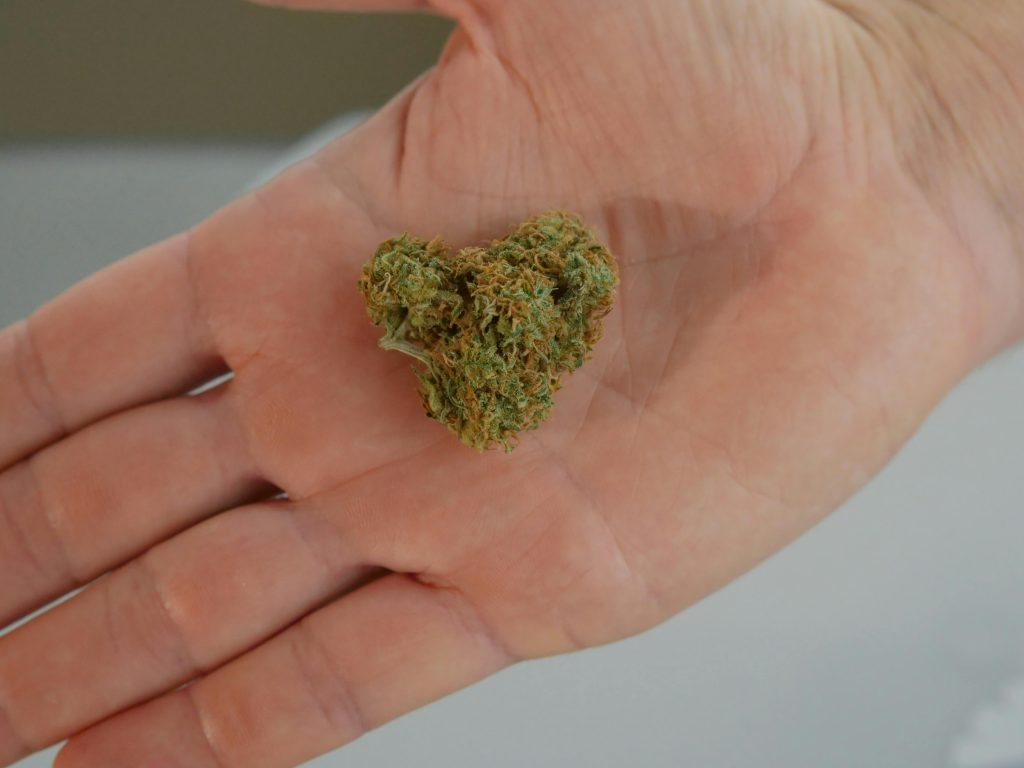
Modern cannabis products highlight THCA in various forms, including raw flowers, tinctures, capsules, and concentrates that avoid heat exposure. Many consumers integrate THCA into smoothies, juices, or raw recipes to retain its natural properties. Awareness of THCA allows consumers to make informed decisions regarding dosage, product selection, and desired effects. Understanding how THCA behaves during heating is critical to prevent accidental conversion into THC and to maintain intended outcomes.
Legal Considerations Surrounding THCA
The legal status of THCA varies by region, often depending on how THC content is defined by local regulations. Since THCA can convert into THC when exposed to heat, authorities may consider total potential THC content when assessing legality. Some jurisdictions treat THCA products differently from THC, while others apply similar restrictions. Consumers must remain informed about local laws to ensure compliance and safe usage of THCA-containing products.
Safety and Recommendations for Consumers
Before using THCA, consumers should carefully review product labels and lab testing reports to verify cannabinoid content and ensure compliance with legal standards. Starting with low doses is recommended, as individual responses can vary. Proper handling and storage are also important because heat or prolonged exposure can convert THCA into THC, changing its effects. Educated use of THCA maximizes safety, effectiveness, and wellness benefits.
Conclusion
THCA represents a significant and versatile cannabinoid, bridging the gap between raw cannabis compounds and psychoactive THC. Scientific insights reveal its unique properties, while consumer awareness ensures informed choices for safety and wellness. With its non-intoxicating nature and potential health benefits, THCA continues to gain attention as a critical focus in both research and the modern cannabis market.