Understanding Structural Steel Installation
What is Structural Steel Installation?
Structural steel installation involves the assembly of steel components into a solid framework on site. This process typically includes activities like lifting, placing, and connecting various steel elements to form structures ranging from commercial buildings to bridges. The utilization of structural steel installation allows for rapid construction, great strength-to-weight ratios, and design flexibility.
Benefits of Structural Steel in Construction
Structural steel serves as a cornerstone in modern construction due to its numerous advantages. Firstly, its high strength ensures that structures can withstand immense loads. It is also lighter than many other materials, which can lead to reduced foundation requirements and overall lower construction costs. Additionally, the versatility of steel allows for designs that can be easily modified based on specific architectural needs. Finally, steel is highly recyclable, making it an environmentally conscious choice.
Key Components of the Installation Process
The structural steel installation process consists of several essential components. These include beams, columns, connecting plates, bolts, and various braces. Each component plays a vital role in ensuring stability and strength. Beams are responsible for supporting loads, columns transfer loads to the foundations, and braces provide lateral stability. Understanding these components is critical to the success of any installation project.
Preparation for Successful Structural Steel Installation
Site Assessment and Planning
Before any structural steel can be installed, thorough site assessment and planning are necessary. This phase involves evaluating the soil and environmental conditions to ensure they can support the structure. Moreover, it is vital to have a clear understanding of local regulations and codes that may affect installation. A well-planned project will include timelines, resource allocation, and methods for inspecting and testing the materials prior to installation.
Necessary Tools and Equipment
A comprehensive list of tools and equipment is required for effective structural steel installation. Essential tools include cranes for lifting components, welding machines for connections, and various hand tools such as hammers, levels, and measuring tape. Specialized equipment like aerial lifts and scaffolding may also be necessary, depending on the height and complexity of the structure. Proper equipment ensures that the installation can proceed safely and efficiently.
Safety Measures and Compliance
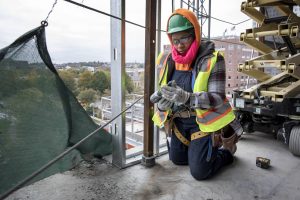
Safety is paramount during structural steel installation. Compliance with local, state, and federal regulations ensures a safer work environment. Workers should wear appropriate personal protective equipment (PPE) like helmets, gloves, and high-visibility clothing. Moreover, establishing safety protocols, conducting regular risk assessments, and providing adequate training can significantly mitigate risks associated with high-altitude work and heavy machinery operation.
The Step-by-Step Process of Structural Steel Installation
Initial Preparation and Setup
Initial preparation begins with laying out the installation plan based on the approved structural drawings. Marking the positions for columns and other components is crucial for maintaining structural integrity. Site preparation should include the clearing of obstacles and leveling of the ground for the crane and other machinery. This setup phase is essential to ensuring a smooth installation process.
Erecting Columns and Beams
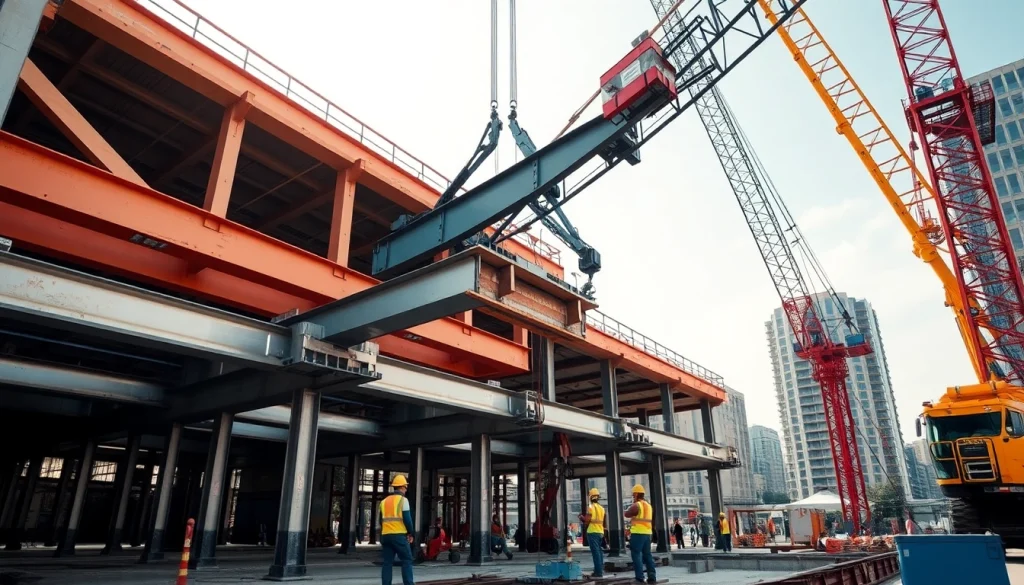
The erection phase is a critical step in structural steel installation. It begins with the columns, which are erected first, followed by beams that connect the columns. During this phase, ensuring accurate alignment is vital for stability and load transfer. Connecting these elements is typically achieved through bolting or welding, with careful monitoring of the connection points for quality assurance.
Finishing Touches: Purlins and Braces
Once the primary structure is in place, purlins and braces are added to provide additional support and stability. Purlins usually run perpendicularly to the beams and serve to support roofing materials. Braces are added diagonally to prevent swaying and enhance the frame’s overall rigidity. This final step is crucial to ensure that the completed structure can withstand environmental loads like wind and seismic forces.
Best Practices for Structural Steel Installation
Quality Control Measures
Quality control is essential throughout the structural steel installation process. Implementing quality checks at various stages ensures that all components meet the required specifications. Common practices include visual inspections, non-destructive testing methods, and verification of material certifications. Documentation of these quality assessments is vital for maintaining a clear project timeline and accountability.
Common Challenges and Solutions
There are several challenges that can arise during structural steel installation, including unexpected weather conditions, equipment failure, and design discrepancies. To address these, proactive strategies such as contingency planning, regular equipment maintenance, and effective communication among teams can prove advantageous. Establishing a robust risk management framework ensures that projects can adapt to unforeseen circumstances.
Post-Installation Inspection
After installation, a comprehensive post-installation inspection is necessary to confirm that all components are correctly installed and secured. This process may include verifying alignment, checking connection points, and ensuring compliance with safety guidelines. Addressing any deficiencies detected during inspection is crucial before proceeding with subsequent construction phases.
FAQs About Structural Steel Installation
What tools are essential for structural steel installation?
Essential tools for structural steel installation include cranes for lifting, welding machines for connections, measuring tools, and safety equipment like helmets and gloves. Each tool plays a crucial role in ensuring efficiency and safety.
How long does the installation process typically take?
The duration of structural steel installation varies based on project size and complexity. Generally, it can take anywhere from a few days to several weeks, contingent on the preparation, the number of components, and external conditions.
What safety regulations must be followed during installation?
Safety regulations require compliance with OSHA standards, including the use of personal protective equipment (PPE), maintaining safe work environments, and conducting regular safety training for all crew members to mitigate risks.
How can I ensure the quality of installation?
Ensuring installation quality involves implementing strict quality control measures, conducting regular inspections at every stage of installation, and engaging qualified personnel to oversee and document the process accurately.
What are the common issues faced during installation?
Common issues during installation include alignment problems, equipment failures, and weather-related delays. Proper planning, training, and flexible strategies can greatly reduce these complications and enhance project success.