
Understanding Construction Trade Schools in Texas
The construction industry is a cornerstone of the Texas economy, comprising a range of trades that require specific skills and hands-on knowledge. Aspiring professionals looking to enter this field often consider the benefits of construction trade schools in Texas. These institutions offer specialized training and certification programs that prepare students for various aspects of the construction sector. This article explores what construction trade schools are, the benefits of attending them, and the specific programs they offer in Texas.
What Are Construction Trade Schools?
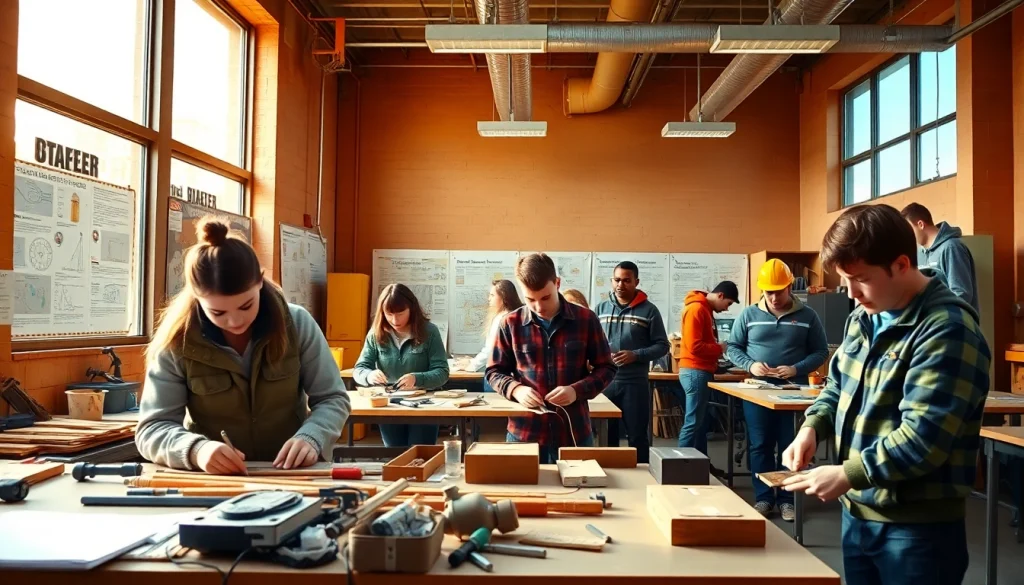
Construction trade schools are educational institutions that provide vocational training specifically focusing on various aspects of construction. Unlike traditional four-year colleges, these schools emphasize hands-on skills and practical learning, preparing students for immediate employment in the workforce. The programs typically combine classroom instruction with lab work and field training, enabling students to acquire the knowledge and skills they need to excel in their respective trades.
Benefits of Attending Trade Schools
Attending a construction trade school comes with numerous benefits:
- Hands-On Learning: Trade schools focus on practical skills development, allowing students to work with tools and equipment they will encounter in the field.
- Shorter Course Duration: Many programs can be completed in a matter of months, enabling graduates to enter the workforce quickly.
- Higher Employment Rates: Graduates of trade schools often experience higher job placement rates compared to those with general degrees, as employers look for candidates with specific skills.
- Networking Opportunities: Trade schools frequently provide access to internships and job placement services, connecting students with potential employers.
Key Programs Offered in Texas
Texas boasts a variety of construction trade schools offering programs in numerous specialties. Some of the key programs include:
- Electrical Technology
- Welding and Fabrication
- Construction Management
- Civil Engineering Technology
- Heating, Ventilation, and Air Conditioning (HVAC)
Popular Construction Trade Programs in Texas
Electrical Technology Programs
Electrical technology programs prepare students to work as electricians. The courses cover various subjects, including electrical theory, circuit design, installation, troubleshooting, and safety practices. Graduates are often equipped to complete electrical installations in residential, commercial, and industrial settings, ensuring compliance with state and local regulations.
Welding and Fabrication Courses
Welding and fabrication courses instruct students in various welding techniques and metalworking processes. The curriculum usually includes MIG, TIG, and stick welding, along with metal fabricating techniques such as cutting, shaping, and attaching different materials. With the construction industry’s demand for skilled welders and fabricators, these programs are highly sought after.
Construction Management Pathways
Construction management programs focus on the administrative and managerial aspects of construction projects. Students learn project planning, cost estimation, contract negotiation, and workforce management. This knowledge equips graduates to take on supervisory roles and manage construction projects effectively from inception to completion.
Choosing the Right Construction Trade School
Factors to Consider When Selecting a School
When choosing a construction trade school, prospective students should consider several factors:
- Accreditation: Ensure the school is accredited by a recognized body, which can affect the quality of education and job opportunities for graduates.
- Programs Offered: Different schools specialize in different trades. By identifying the programs that align with your career goals, you can make a more informed decision.
- Class Size: Smaller class sizes often mean more personalized attention from instructors, aiding in hands-on learning.
- Placement Services: Schools that offer robust career placement services can assist graduates in finding jobs in their chosen fields.
Accreditation and Licensing Requirements
Before enrolling, it’s crucial to verify the school’s accreditation status. Accreditation ensures that the institution meets specific educational standards, which can also influence employer perceptions of graduates. Moreover, in some trades, completing an accredited program is a prerequisite to obtaining necessary state licenses. Always research the licensing requirements in Texas to ensure the trade school programs align with state regulations.
Career Placement Services in Trade Schools
Many quality construction trade schools emphasize ongoing relationships with local businesses and construction firms to facilitate employment opportunities for their graduates. Be sure to assess the school’s career services, including job fairs, internship opportunities, and one-on-one counseling to bolster job placement after graduation.
Success Stories: Graduates of Texas Construction Trade Schools
Career Paths and Opportunities
Graduates of construction trade schools in Texas have many career options available to them. These include, but are not limited to:
- Electrician
- Welder
- HVAC Technician
- Construction Manager
- Civil Construction Technician
The demand for skilled professionals in these areas continues to rise, making a trade school education an appealing option.
Alumni Testimonials
Alumni of construction trade schools often share positive testimonials about their experiences and the impact their education has had on their careers. Many highlight how their hands-on training prepared them for real-world challenges and provided them with a strong foundation for long-term professional success. Hearing from former students can offer insights into what it’s like to attend a program and how it can benefit one’s career trajectory.
Industry Partnerships and Collaborations
Many construction trade schools maintain partnerships with local construction companies, providing students with opportunities for internships and hands-on experiences. These collaborations not only facilitate practical training but also open up avenues for employment after graduation, as many companies prefer to hire candidates who have already proven themselves through internships.
Future of the Construction Industry in Texas
Trends Impacting Construction Trades
The construction industry in Texas is continuously evolving, and several trends shape its future. These include:
- Green Building Practices: With a growing emphasis on sustainability, many construction firms are seeking workers skilled in eco-friendly building techniques.
- Technology Integration: The adoption of technologies such as Building Information Modeling (BIM) and robotics are changing how construction projects are designed and executed.
- Skilled Labor Shortages: As the industry faces a shortage of skilled laborers, the demand for training programs is likely to increase, highlighting the importance of trade schools.
The Role of Technology in Construction Education
Technology plays a significant role in modern construction education. Schools are increasingly integrating technology into their curricula, using tools like virtual reality for training simulations or online platforms for hybrid learning models. These advancements help students acquire skills relevant to the high-tech landscape of contemporary construction.
Preparing for a Successful Career in Construction
To prepare for a successful career in construction, it’s essential to commit to continuous learning beyond the basic training provided in trade schools. Engaging in industry workshops, obtaining certifications, and networking with professionals can enhance career prospects. Furthermore, being adaptable and open to embracing new technologies and methodologies will also serve aspiring construction professionals well as they navigate the evolving industry landscape in Texas.